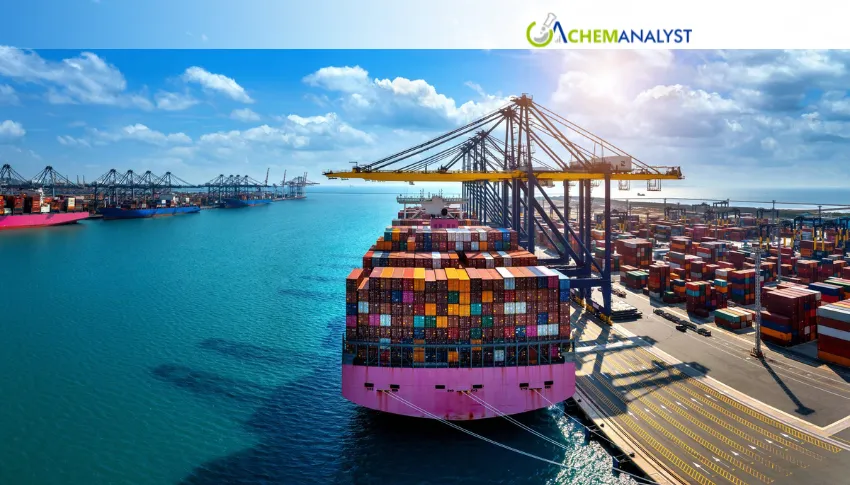
The maritime security environment in the Middle East remains highly volatile, increasing operational uncertainty for global shipping and energy supply chains. Heightened geopolitical tensions continue to affect vessel routing decisions, insurance costs, and freight markets across two of the world’s most strategically important maritime corridors- the Strait of Hormuz and the Red Sea.
Commercial shipping movements through the Strait of Hormuz have seen a significant drop with transits falling by almost 90% year-on-year. This has been attributed to the breakdown of the recent U.S. and Iran ceasefire agreement and the revival of the U.S. naval blockade of Iranian ports. The U.S. has been carrying out successive night-time attacks on Iranian targets while Iran claims to have resumed attacks on ships in the area. Nearly 70% of the tankers that transit the strait now do so ‘dark’ with their AIS switched off.
At the same time, the crisis is spreading deep into the Red Sea. After the maritime blockade announcement against Saudi ports by Houthi forces on July 20, the dangers facing commercial navigation have significantly increased. The Houthis announced that they launched military operations with the help of missiles and drones targeting two Saudi oil tankers in the Red Sea, saying that these ships were violating the shipping regulations. Several major insurance companies of maritime business have decided to stop insuring Saudi-linked ships in the Red Sea against the risk of war.
The naval operation of the European Union, called ASPIDES, has officially upgraded the threat level in the Red Sea to medium, urging merchant ships related to the interests of U.S., Israeli, or Saudi countries to avoid the waters of the Red Sea and Gulf of Aden. Therefore, ships are being rerouted. Among other examples are gas carriers and crude tankers, which were loaded in the Saudi port of Yanbu and changed their route mid-voyage to move north through the Suez Canal bypassing the Bab el-Mandeb strait. Additionally, the operator COSCO Shipping turned back a vehicle carrier near Djibouti because of warnings of cancelling its transit permission.
Short-Term Future Outlook
In the near term, freight markets are anticipated to remain volatile as geopolitical risks continue to impact global shipping patterns. Elevated war- risks premiums, longer sailing distances for diverted vessels and potential delays in cargo deliveries are expected to keep transportation costs firm. Unless there is a meaningful improvement in regional security conditions or diplomatic progress, shipping companies are likely to continue evaluating route selection based on safety, commercial considerations and customer requirements, with diversions around the Cape of Good Hope remaining a viable option for operators seeking to minimize security risks.






Leave a Comment
Comments (0)