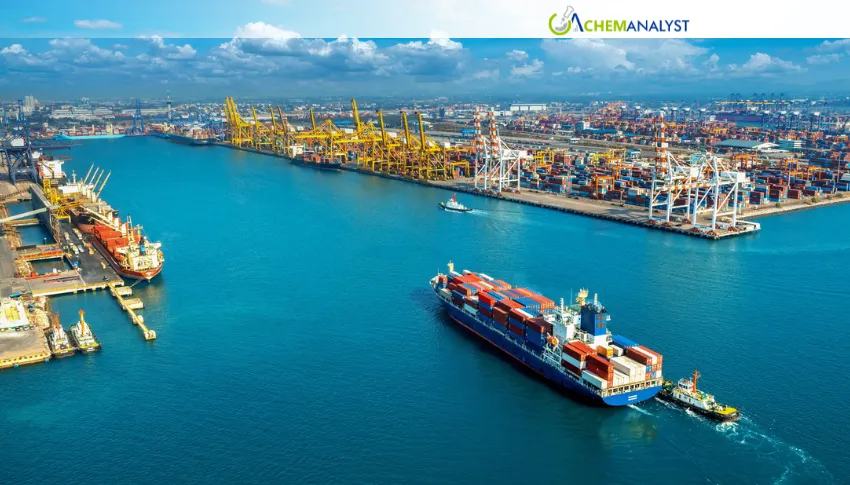
The Middle East shipping environment had quite different developments this week. On one hand, with the escalating military operations blocking passage through the Strait of Hormuz, there were some major shipping lines who began testing waters on the Red Sea route.
Reinstated Blockades and Hormuz Paralysis
This small window of normalized shipping through the Persian Gulf was quickly closed up earlier this week. After an attack on shipping that killed at least two mariners, the United States government officially placed the Persian Gulf under a harsh naval blockade against Iran's ports on July 14. With that move, the temporary agreement for maritime ceasefire put in place in mid-June was officially broken.
This sudden reversal has already had serious consequences. The U.N.'s maritime branch came out with a condemnation of these attacks, stating that the escalating situation has potential to endanger more than 20,000 mariners in the area. The flow of traffic through the Strait of Hormuz—where numbers were previously reaching more than 50 passages a day—has dropped dramatically. From tracking reports, mid-week showed large groups of container ships and oil tankers waiting off ports all across the Gulf of Oman and Southeast Asia regions.
Cautious Red Sea Re-entry
In stark contrast to the deteriorating situation in the Persian Gulf, there are cautious signs of stabilization in the Red Sea. Operator Maersk announced the resumption of Suez Canal transits for its WAF6 service, a crucial trade lane connecting the Middle East and the Indian Subcontinent with the Mediterranean and West Africa. This follows a similar recent announcement regarding its MECL service, which routes from India and the Middle East to the U.S. East Coast.
For those transporting large agricultural products from the port of Mumbai to West Africa, this is an important step forward. The return of the WAF6 to operate through the Suez route will definitely make things easier for them and also save them from the additional ten to fifteen days that they have to wait due to the Cape of Good Hope route. However, the fact remains that most of the world’s ships have continued to keep away from the Red Sea, consuming 2 million TEUs worth of capacity.
Market Outlook
Supply chain managers need to prepare themselves for regional volatility. Although the progressive opening up of the Red Sea by certain shipping lines will eventually solve issues relating to capacity and transiting time for the West African and Mediterranean routes, the current problem of the Strait of Hormuz poses the risk of increased costs, congestion, and war risk insurance premiums.








 About ChemAnalyst
Leave a Comment
Comments (0)