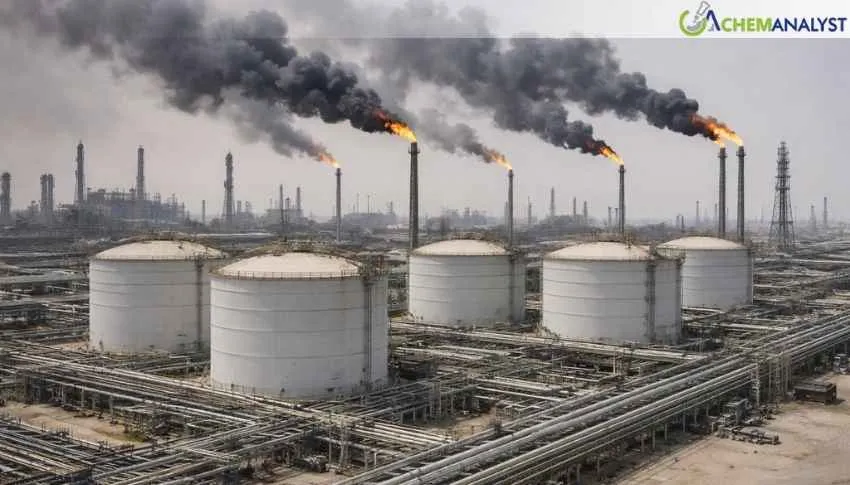
European natural gas markets experienced a dramatic surge after escalating geopolitical tensions in the Gulf disrupted critical energy infrastructure, according to several media reports. Prices soared sharply—rising by as much as 35%—following intensified attacks attributed to Iran that struck key liquefied natural gas (LNG) facilities, including the globally significant Ras Laffan industrial complex operated by QatarEnergy.
The Ras Laffan facility, recognized as the world’s largest LNG export hub, sustained what officials described as “extensive damage” after multiple strikes triggered fires across the site. This facility alone accounts for roughly one-fifth of the world’s LNG supply, making any disruption particularly consequential for global energy markets. Although shipments from the plant had already been halted earlier in the month due to ongoing conflict, the latest damage has significantly increased concerns that outages could persist for an extended period, tightening supply conditions worldwide.
Compounding the situation, gas infrastructure in the United Arab Emirates was also affected. The Habshan gas processing facilities in Abu Dhabi were temporarily shut down after being struck by debris from intercepted missiles. These developments highlight the widening regional impact of the conflict and its potential to disrupt multiple supply nodes across the Gulf.
Amid rising tensions, Donald Trump issued a warning via social media, stating that the United States would respond if further attacks targeted Qatar’s LNG infrastructure. While the full extent of the damage and the timeline for repairs remain uncertain, analysts warn that prolonged outages could have lasting implications for global energy markets.
The disruption is particularly concerning for Europe, which is emerging from winter with relatively low gas storage levels. To prepare for the next heating season, European countries must replenish reserves during the summer months. However, reduced LNG availability from the Middle East means Europe will face heightened competition from Asian buyers, who traditionally import a significant share of Gulf-produced LNG. This supply-demand imbalance is likely to keep prices elevated across both regions.
Market experts caution that the impact of the crisis could extend well beyond the immediate conflict. According to analysts, even if hostilities subside and key shipping routes like the Strait of Hormuz reopen, the damage to infrastructure could delay a return to normal supply conditions. In worst-case scenarios, parts of the LNG production network could remain offline for months or even years, further straining global supply chains.
The Ras Laffan facility had already experienced disruption earlier in the month due to a drone strike—marking the first such interruption in its three-decade history. Subsequent attacks, reportedly carried out in retaliation for strikes on Iran’s South Pars gas field, have exacerbated the situation and increased uncertainty around recovery timelines.
Reflecting these concerns, European benchmark gas prices surged significantly. Dutch front-month futures, a key indicator for the region, climbed over 30% to reach €71.47 per megawatt-hour in early trading. The sharp rise underscores the sensitivity of global energy markets to geopolitical risks, particularly when they involve critical infrastructure in major exporting regions.
Overall, the crisis has underscored the fragile balance of global LNG supply and demand. With key facilities offline and uncertainty surrounding future production, both European and Asian markets are likely to face sustained price pressures in the coming months.






Leave a Comment
Comments (0)