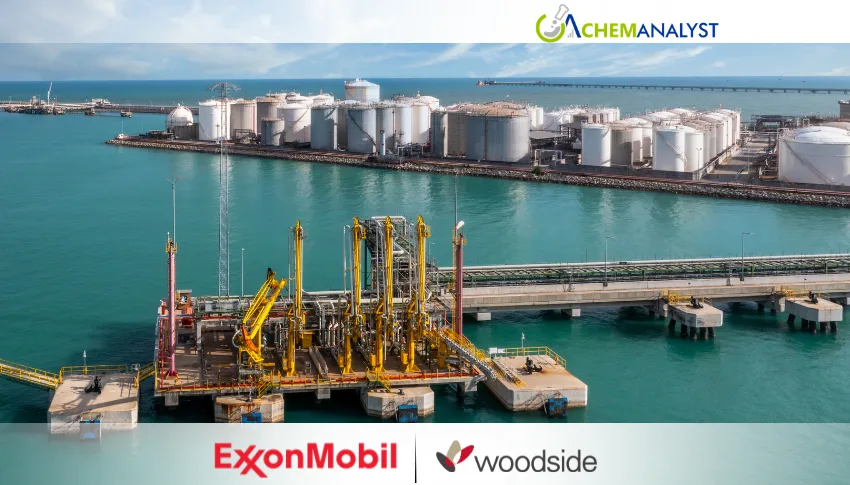
ExxonMobil is actively assessing potential acquisition opportunities, including a possible takeover of Australia-based Woodside Energy, as the American energy major seeks to strengthen its position in the rapidly growing global liquefied natural gas (LNG) market and expand its footprint across Asia. According to several media reports, the company has initiated preliminary internal evaluations regarding several potential targets, with Woodside emerging as one of the most significant candidates under consideration.
The discussions remain at an early stage, and there is no guarantee that ExxonMobil will proceed with a formal acquisition proposal. However, the consideration of Woodside highlights ExxonMobil’s broader strategy of diversifying its energy portfolio beyond North America and increasing its exposure to LNG, a sector where competitors such as Shell and TotalEnergies have established stronger global positions.
Following its approximately US$60 billion acquisition of shale producer Pioneer Natural Resources in 2024, ExxonMobil has continued searching for strategic opportunities that could enhance its long-term growth. Acquiring Woodside, Australia’s largest independent gas producer and a major LNG exporter, would provide ExxonMobil with access to significant natural gas reserves, established export infrastructure, and key projects positioned to meet increasing demand from Asian consumers.
The strategic importance of LNG investments has intensified following geopolitical disruptions in the Middle East. The conflict involving Iran and the resulting restrictions on shipping through the Strait of Hormuz significantly affected global energy trade, as nearly one-fifth of the world’s oil and gas supply routes through the strategic waterway. The uncertainty surrounding Middle Eastern energy supplies has encouraged major LNG consumers, particularly in Asia, to seek more secure and geographically diversified suppliers. Consequently, Australia has gained greater importance as a reliable source of LNG exports for regional markets.
Woodside’s portfolio makes it an attractive acquisition target due to its existing operations and future development projects. The company is progressing with the Scarborough and Browse gas developments, both of which are expected to substantially increase LNG production capacity over the coming years and support export growth well into the next decade. Woodside has also strengthened its commitment to the Browse project by increasing its ownership stake, signaling confidence in the project’s long-term economic potential.
A potential acquisition would also represent an important challenge for Woodside’s new leadership. Liz Westcott recently assumed the role of Chief Executive Officer following the departure of former CEO Meg O’Neill to lead BP. Any takeover discussions would likely become a major strategic consideration for Westcott as she navigates the company’s future direction and development priorities.
ExxonMobil and Woodside already maintain an established business relationship through their partnership in the Bass Strait energy project in Australia. Woodside assumed operational control of the project in the previous year, creating an existing foundation of cooperation between the two companies. This relationship may facilitate deeper strategic discussions if ExxonMobil decides to pursue a formal transaction.
The possible acquisition reflects a broader trend among global energy companies seeking to secure high-quality natural gas assets amid rising demand for cleaner-burning fuels compared with coal and oil. As many Asian nations continue their energy transition strategies while maintaining reliable electricity supply, LNG is expected to play a crucial bridging role, making companies with large-scale LNG resources increasingly attractive acquisition targets.
Although the outcome of ExxonMobil’s evaluation remains uncertain, a successful deal with Woodside would significantly reshape the global LNG landscape. It would strengthen ExxonMobil’s competitiveness in the Asia-Pacific region, expand its LNG production capacity, and provide greater resilience against geopolitical disruptions affecting traditional energy supply routes.
Impact of the News
The potential acquisition of Woodside Energy by ExxonMobil could significantly influence the global LNG and natural gas markets by accelerating investments in LNG production, increasing competition among major energy players, and strengthening Australia’s position as a reliable LNG supplier to Asia. The transaction could reshape global natural gas trade patterns, promote further consolidation within the oil and gas industry, and drive additional investments in LNG infrastructure, including liquefaction facilities, storage terminals, shipping fleets, and regasification units. The primary products impacted would include Liquefied Natural Gas (LNG) and natural gas, as the development of projects such as Scarborough and Browse could expand production capacity and improve supply availability. Increased LNG supplies may also affect electricity generation and industrial energy markets, particularly in Asian countries dependent on imported gas for power and manufacturing processes. Furthermore, downstream petrochemical feedstocks such as ammonia, methanol, and low-carbon hydrogen, which rely heavily on natural gas, could benefit from more stable and potentially competitive gas supplies, while the broader LNG logistics and infrastructure sector may witness increased demand due to growing international trade volumes.






Leave a Comment
Comments (0)