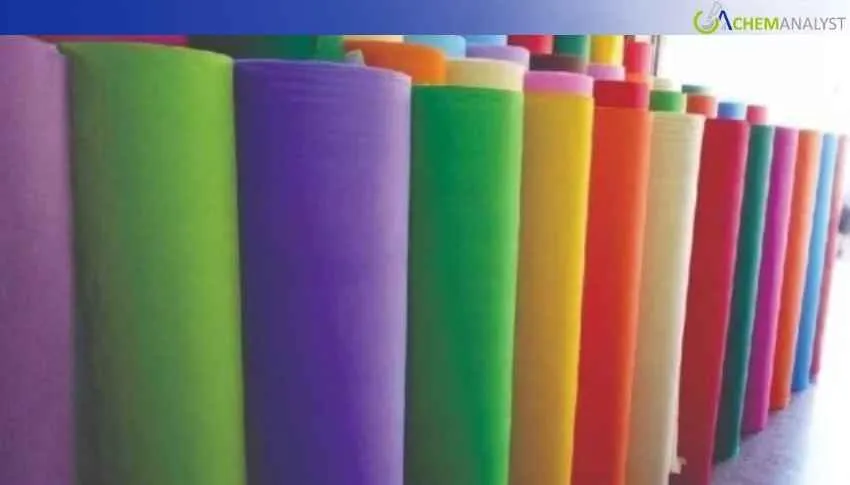
China’s Non-Woven Fabric market moved into early March with prices rising, registering a week-over-week increase of 1.49% in early March 2026 per weekly assessment data. The move followed a largely balanced February in which market conditions were neutral: early February non-woven fabric saw modest gains before mid- to late-February held flat as buying interest and production remained aligned. Overall, trading sentiment was described as steady rather than buoyant, with buyers active on selective volumes and sellers reluctant to deviate from established offers, leaving the market in a broadly balanced state as it transitioned into March.
End-use demand for Non-Woven Fabric presented a mixed picture through February. Hygienic and medical applications continued to underpin baseline consumption, while disposable hygiene remained a reliable source of orders. Textile and construction-related demand for Non-Woven Fabric held steady, providing consistent off-take, whereas some segments of export-oriented apparel and automotive interiors showed softer enquiry rates compared with earlier in the quarter. The Non-Woven Fabric market’s steady mid-month dynamic was reflected in neutral purchasing patterns, with manufacturers reporting routine order flows rather than the surge or slump associated with major contract rollovers, according to ChemAnalyst data.
Upstream and supply-side dynamics for Non-Woven Fabric offered little impetus for dramatic price movement. However, Non-Woven Fabric feedstock trend remained mix in February 2026, early week experienced a rising trend while prices fell later. There were no notable plant outages or extended maintenance events during the period, and overall capacity utilization held at normal operating levels. Rising energy costs were not cited as a driver in this cycle; instead, balanced production and steady procurement kept Non-Woven Fabric market stressors minimal and allowed orderly trading.
Weekly pattern showed a market that oscillated within a narrow band before the early March uptick. Non-Woven Fabric Prices rose modestly in the first half of February, then flattened across mid- to late-February as buying and selling interest matched. That calm gave way to the early March increase, which interrupted a string of neutral weeks and suggested buyers were re-entering the market after a pause. The weekly advance of 1.49% stands out as the most notable short-term move, as per weekly assessment data.
Looking ahead, the near-term outlook for Non-Woven Fabric is bullish trend, coupled with the increasing feedstock PP prices amidst rising upstream crude oil prices amidst the escalated tensions in the middle east region. Further, market participants expect activity to be driven by downstream order from textile, hygiene and medical converters and by any shifts in export enquiry patterns, with seasonal factors to be monitored as spring procurement cycles come into focus. Any sustained increase in buying interest or an unexpected supply disruption could push prices further.






Leave a Comment
Comments (0)