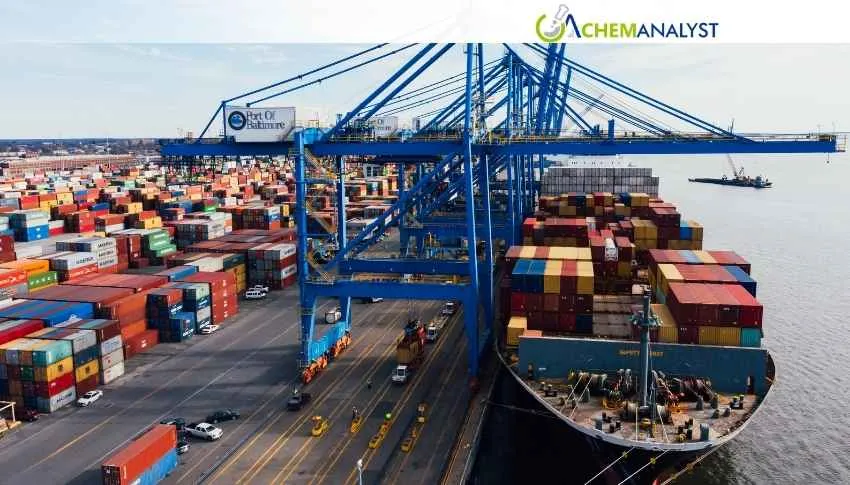
Weekly Ocean Freight Update – May 26, 2026
The Middle East shipping crisis has developed into an extended operation dispute for the week. In the period between May 22 and May 26, the international logistics industry experienced the Strait of Hormuz crisis escalate from a series of attacks into maritime blockades and diplomacy tensions, resulting in higher rates for ocean shipments prior to the peak season.
U.S. Blockade and Loitering Fleets
Bottleneck operations for ships moving through the Strait of Hormuz persist. On May 22nd, U.S. CENTCOM reported that U.S. forces had managed to divert 97 vessels while disabling another four to ensure that no ships would be able to move in or out of Iran’s harbors by way of an ongoing blockade operation. With 43 recorded instances of maritime events since the beginning of the war, ship activity is now non-existent. Before the outbreak of hostilities, 138 ships were passing through the Strait on a daily basis. Now, there are large groups of ships just waiting outside the Gulf.
Diplomatic Clashes Over Shipping Protocols
Amid the deadlock, Iran sought to create new conditions for maritime passage. On May 22, the Iranian government floated a joint mechanism for security in shipping that would create new standards for traveling through the Strait. This initiative received instant criticism from UAE diplomats, accusing them of trying to hold "the world's most critical waterway" hostage. UAE officials categorically refused the suggested mechanism, arguing it was aimed at enforcing illegal realities in international waters.
Carrier Capacity Manipulation
Despite the abundance of supply vessels expected to be flooding the industry in 2026, the leading carriers have ensured that the rate does not experience a crash through the careful management of their capacities. Carriers such as Maersk, CMA CGM, and Hapag-Lloyd are managing to reduce the number of vessel slots through the use of blank sailings and route modifications. These factors have seen the spot market reach a pre-season peak too soon.
Freight Rates & Surcharge Update
The combination of geopolitical risk and tighter vessel capacity has sustained upward pricing pressure across major East-West corridors:
• Asia to U.S. East Coast: Spot rates from Shanghai to New York have climbed past $4,300 per FEU.
• Asia to U.S. West Coast: Rates from Shanghai to Los Angeles jumped to roughly $3,385 per FEU.
• Asia to North Europe: Rates from Shanghai to Rotterdam surged 15% this week to $2,773 per FEU. Operators are pushing for further hikes, with CMA CGM announcing June FAK (Freight All Kinds) levels targeting $4,700 per FEU.
• Middle East Risk Premiums: For cargo still attempting to reach the broader Gulf, heavy War Risk Surcharges remain entrenched, ranging from $1,200 per TEU to over $3,000 per FEU, alongside ongoing Emergency Fuel Surcharges.
Short-Term Outlook
As May draws to an end, the ocean freight industry will have to undergo an expensive yet managed transition period. Shippers will not be able to wait for the Middle Eastern crisis to stabilize before making their shipping arrangements. Shipping logistics planners will have to book shipping space ahead of June GRIs and employ diversified routing in light of high-risk routes.








 About ChemAnalyst
Leave a Comment
Comments (0)