21st August 2026, Ocean Freight News Report
What Happened
Germany’s main service union, Ver.di, called a daylong “warning strike” that brought most of the container and cargo operations to a standstill across six seaports. The action began Monday night, August 17 and spread through the Tuesday’s day shifts with work not resuming until Wednesday. Reporting that as much as 21,000 of Ver.di’s and roughly 11,000 affected members having walked off the job in Hamburg, Germany’s largest port, gathering for a demonstration there.
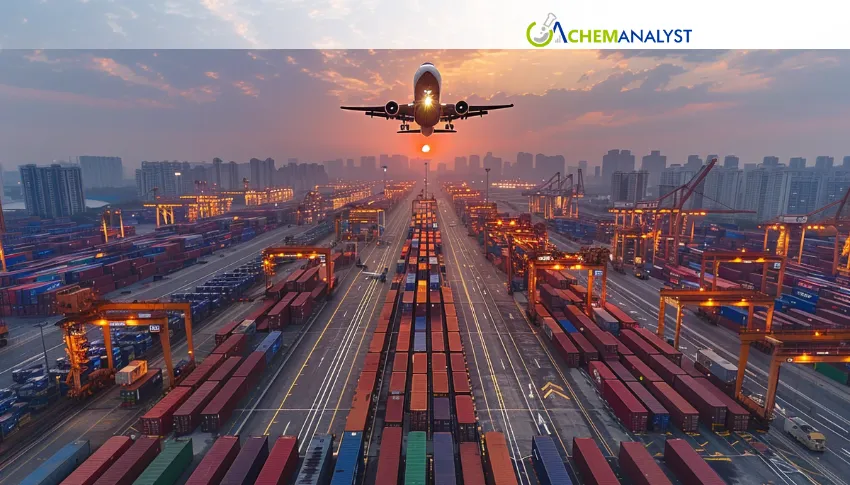
The strike hit Germany’s three largest seaports, Hamburg, Bremerhaven and Wilhelmshaven plus the regional ports of Bremen, Emden and Brake. Targeted facilities included Hamburg's container terminals, the EUROGATE Container Terminal and North Sea Terminal in Bremerhaven, and auto terminals, with more than a dozen companies directly affected including Eurogate, HHLA, BLG and J Müller Weser. Hapag-Lloyd warned customers of potential delays.
Why It Happened
The talks broke down over wages and the contract length. Ver.di is demanding an 8.2 percent wage increase with a minimum of €2.50 per hour, aimed at ensuring lower wage groups also benefit, plus a 12-month contract term. The employers' association ZDS (Central Association of German Seaport Companies) has offered a 5.1 percent increase in basic hourly wages along with higher vacation pay and bonuses from 2027, and wants a 19-month term, arguing average German contract durations exceed 25 months, calling it’s offer “far exceeding the qualifications of other industries” and the union’s rejection incomprehensible; Ver.di said members "overwhelmingly rejected" the current offers and that "the employees want a better offer, and they deserve it."
What It Means
The action has brought back scenes from 2024, when a similar negotiating impasse escalated into a series of intensifying job actions and significant port backlogs. A port spokesperson told German broadcaster NDR that officials expect to clear any resulting backlog quickly, and this round is being framed as a warning strike rather than an open-ended action, but the pattern which the freight planners will recognize that the German terminal disruption tends to compound quickly if talks stall any further, given Hamburg and Bremerhaven's role as principal North Sea gateways for Asia-Europe and transatlantic container flows.
Short-Term Outlook
A new round of negotiations has been scheduled for August 24–25 in Hamburg. If that session fails to close the gap between the 8.2 percent/12-month union demand and the 5.1 percent/19-month employer offer. Until then, expect residual delays this week as terminals work through Tuesday's backlog, with limited broader schedule impact unless talks collapse again next week.







 About ChemAnalyst
Leave a Comment
Comments (0)