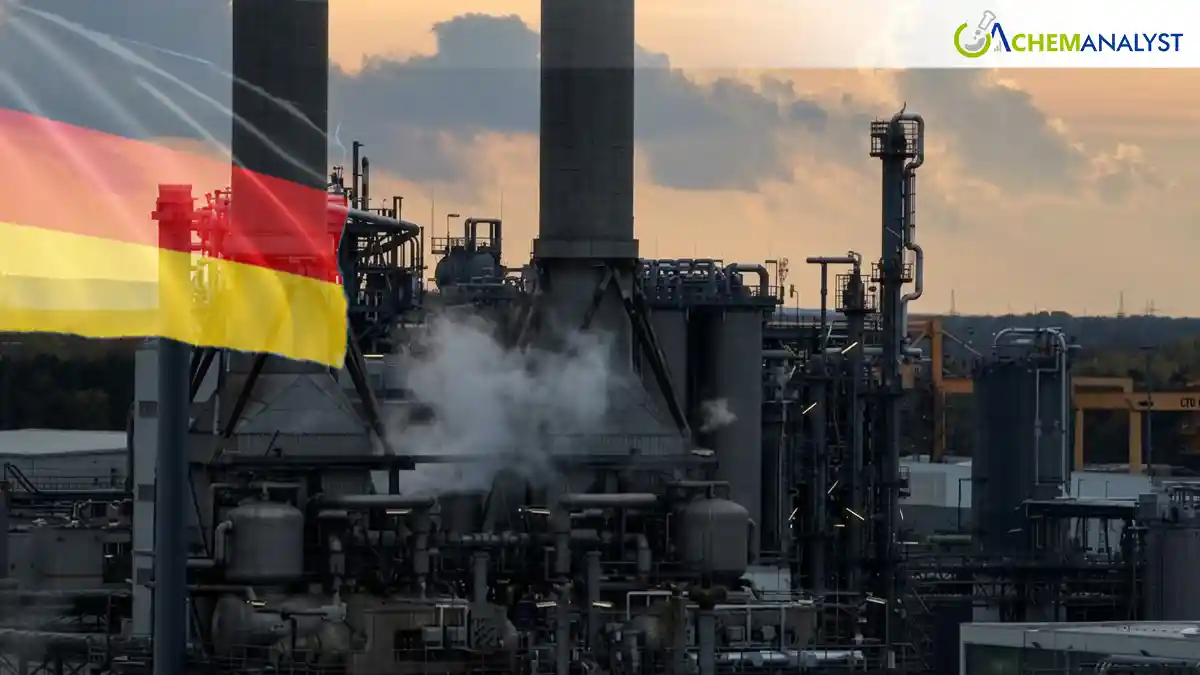
Germany’s chemical industry is beginning to experience the ripple effects of the ongoing conflict involving Iran, raising concerns across one of Europe’s most vital industrial sectors. The escalating geopolitical tensions in the Middle East are creating uncertainty in global markets, and industry observers warn that the consequences are gradually reaching Germany’s economic landscape.
According to several media reports, the war’s indirect consequences are starting to affect Europe’s largest economy. Germany’s chemical sector, which forms a backbone of the country’s manufacturing base and export strength, is particularly vulnerable to disruptions in international supply chains and energy markets.
The industry depends heavily on stable access to raw materials, petrochemical feedstocks, and reliable energy supplies. However, conflict in the Middle East — a region central to global oil and gas production — has increased volatility in energy markets. Rising energy costs are especially problematic for chemical manufacturers, as the sector is among the most energy-intensive industries in Europe.
Executives across Germany’s chemical industry are closely monitoring the evolving geopolitical situation. Companies are assessing potential risks to supply chains, logistics networks, and raw material procurement. Industry leaders have stressed the importance of contingency planning and strategic adjustments to minimize the potential impact of prolonged instability in the region.
Higher transportation costs, insurance risks for shipping routes, and fluctuating feedstock prices are also emerging concerns. Many chemical producers rely on global trade flows for both sourcing inputs and exporting finished products. Any disruption in these flows can significantly affect production schedules and profitability.
Germany’s broader economy may also feel secondary impacts. The chemical sector supplies essential materials to industries such as automotive, pharmaceuticals, construction, agriculture, and electronics. If production costs rise or supply chains slow down, these downstream industries could also face challenges.
Analysts suggest that companies may accelerate diversification of supply sources, strengthen regional supply chains, and increase inventory buffers to mitigate risks. Meanwhile, policymakers and industry associations are expected to continue monitoring the situation and exploring measures to protect Europe’s industrial competitiveness.
As the geopolitical conflict unfolds, Germany’s chemical industry remains alert, preparing to adapt to shifting market conditions while attempting to safeguard production stability and long-term growth.






Leave a Comment
Comments (0)