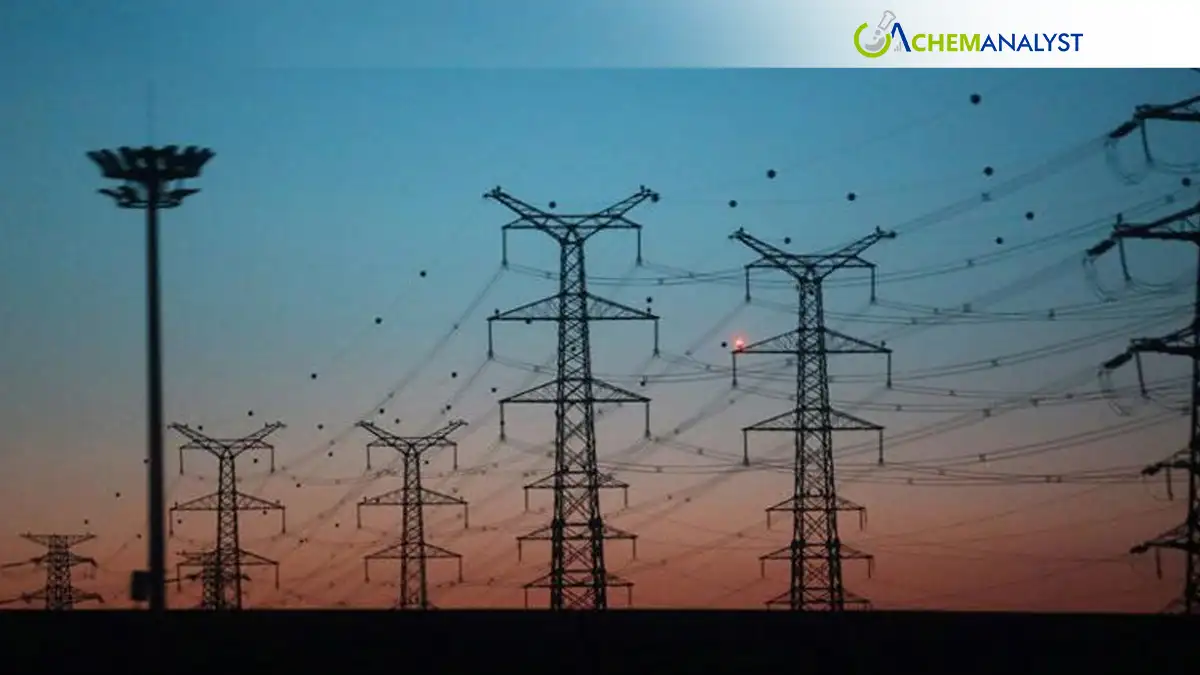
Governments globally are implementing a wide array of emergency measures to shield households and businesses from surging energy costs, a crisis primarily triggered by the U.S.-Israeli war on Iran and its profound impact on global oil and gas markets. The conflict has intensified tensions around the Strait of Hormuz, a critical conduit for global energy shipments, leading to fears of prolonged disruptions and a sharp spike in fuel prices worldwide. This geopolitical instability, coupled with existing supply constraints, has left many economies vulnerable to significant fuel market fluctuations.
The consequences of these escalating energy prices are far-reaching, directly impacting household budgets, food prices, and the operational costs of major industries. This has placed immense pressure on governments to intervene with substantial financial outlays to maintain affordability for their citizens. As a result, there has been a noticeable increase in demand for alternative household fuels like LPG in some regions.
Governments across Asia, Europe, Africa, and Latin America have responded with a diverse set of interventions. Many nations, including Greece, Singapore, Ethiopia, Brazil, and Malaysia, have introduced or increased fuel subsidies. Others, such as Italy, Romania, Namibia, Sweden, and potentially Poland and Serbia, have opted for tax cuts or reductions on fuel. To ensure domestic supply, countries like Australia and Japan have released fuel from strategic reserves, while China has released fertilizer reserves and imposed export controls on refined fuel and fertilizers. India has also reviewed fuel exports, restricted LPG use, and maximized domestic production to prioritize household needs.
Beyond direct financial aid, some governments are actively working to reduce demand. India, Indonesia, and Mauritius have urged citizens and civil servants to conserve fuel and adopt energy-saving practices, with Sri Lanka even introducing fuel rationing and public holidays to manage consumption. Australia's prime minister has encouraged the use of public transport. In terms of energy security, South Korea is accelerating nuclear reactor restarts and easing coal restrictions, while Japan is relaxing rules for coal-fired power plants. Britain is exploring forcing older wind and solar generators onto fixed contracts to stabilize consumer bills.
Economically, these interventions entail significant government spending, running into billions of dollars, to buffer citizens from inflationary pressures. The crisis also highlights the vulnerability of crucial sectors like rural supply chains, mining, and agriculture to fuel shortages. Geopolitically, the situation underscores the critical need for enhanced energy security and diversification away from volatile global fuel markets, pushing countries to explore long-term strategies such as expanding clean electricity, public transportation, and the adoption of alternative fuels like electric vehicles and ethanol-blended gasoline.







 About ChemAnalyst
Leave a Comment
Comments (0)