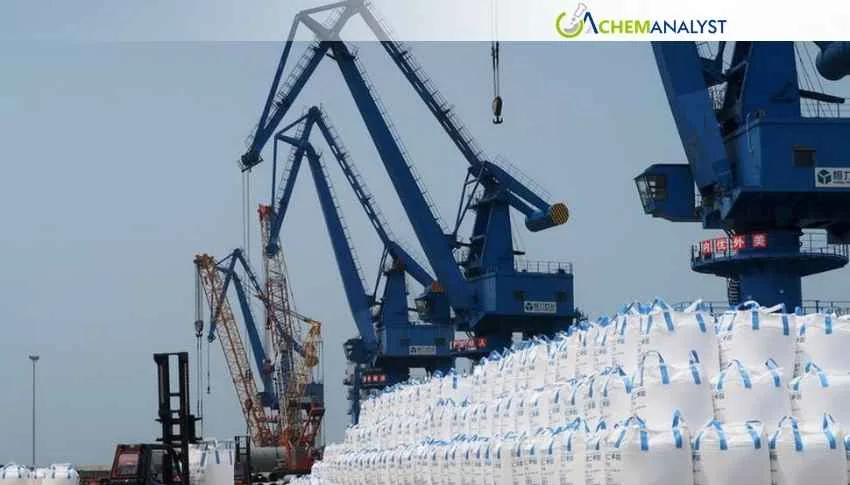
Chinese petrochemical giant Hengli is currently facing significant challenges following the imposition of sanctions by the U.S. Treasury Department, accused of illicitly purchasing Iranian crude oil and petroleum products. This move has sparked a diplomatic row, impacted Hengli's market performance, and highlighted the complex geopolitical and economic tensions surrounding global energy trade.
The U.S. Treasury Department's Office of Foreign Assets Control (OFAC) blacklisted Hengli Petrochemical (Dalian) Refinery Co. for allegedly buying billions of dollars worth of Iranian oil, identifying the company as one of Iran's largest customers for crude oil and petroleum products. These sanctions are part of a broader U.S. strategy to intensify pressure on entities involved in Tehran's oil trade amidst ongoing efforts to restart peace talks with Iran. The allegations suggest Hengli utilized a "shadow fleet" to facilitate these transactions.
In response, Hengli has vehemently denied any engagement in trade with Iran and has pledged to exert every effort to overturn the sanctions. The company has also assured that its refinery and petrochemical facilities are operating normally, having secured crude oil supplies sufficient for over three months of processing. Furthermore, Hengli stated its intention to continue procuring crude oil through a combination of strategic stockpiling and market-based operations, with a commitment to settling trades in yuan.
The immediate economic consequence for Hengli was a sharp 10% plunge in its shares shortly after the sanctions were announced. The sanctions also led to the dismissal of some Singapore-based staff from Hengli's former Singapore arm, with others offered roles in different entities. Geopolitically, China's Ministry of Foreign Affairs condemned the U.S. actions, urging an end to the "misuse of sanctions" and vowing to protect the legitimate rights and interests of Chinese companies.
This situation underscores a deepening compliance dilemma for the shipping industry and further fractures global trade amidst complicated geopolitical tensions. While the sanctions aim to deter purchases of Iranian oil, data from analytics firm Kpler for 2025 indicates that China remains the largest importer, buying over 80% of Iran's shipped oil. Previous sanctions imposed by the Trump administration on other Chinese independent "teapot" refiners, such as Hebei Xinhai Chemical Group and Shandong Shouguang Luqing Petrochemical, created obstacles like difficulties in crude reception and forced sales of refined products under different names. However, these independent refiners often have limited exposure to the U.S. financial system, potentially mitigating the full impact of such measures. The current sanctions on Hengli thus represent a significant escalation in the economic and geopolitical standoff between the U.S. and China over adherence to international sanctions against Iran.







 About ChemAnalyst
Leave a Comment
Comments (0)