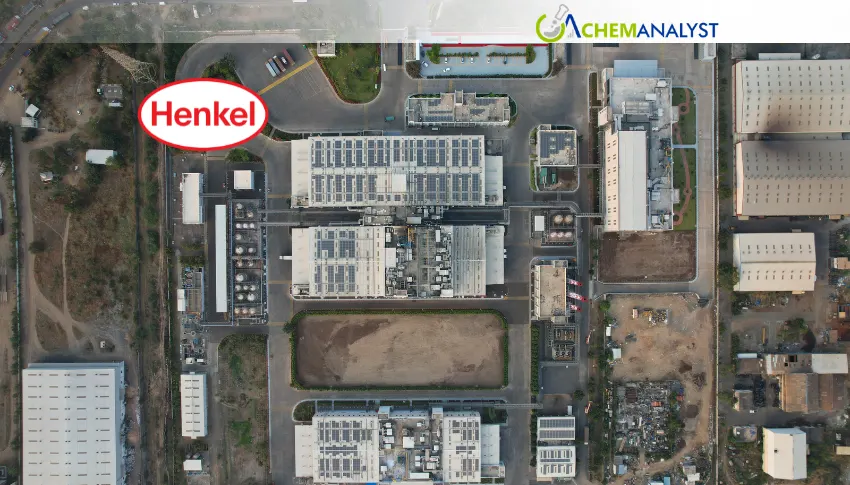
Henkel has achieved a significant sustainability milestone by attaining carbon-neutral production at two of its key manufacturing facilities—Kurkumbh in India and Gebkim in Türkiye. The accomplishment represents a major advancement in the company’s long-term environmental strategy and reinforces its commitment to reducing greenhouse gas emissions across its global operations. Through the complete elimination of Scope 1 and Scope 2 emissions at these sites, Henkel is making substantial progress toward its goal of decarbonizing operations by 2030 and supporting its broader net-zero ambitions.
The achievement aligns with Henkel’s science-based climate targets, which focus on lowering operational emissions through a combination of energy efficiency measures, process electrification, the gradual elimination of fossil fuels, and the increased use of renewable energy. By transforming production processes and modernizing energy infrastructure, the company is demonstrating how industrial manufacturing can transition toward more sustainable and environmentally responsible operations.
At the Kurkumbh facility in India, Henkel undertook a comprehensive transformation of its energy systems to eliminate dependence on fossil fuels. A key component of this initiative was the replacement of furnace oil-powered thermic fluid heaters with advanced, high-efficiency electric heating systems. This change removed the need for fossil fuel combustion within the production process and laid the foundation for a fully electrified operation.
To support this transition, Henkel implemented extensive upgrades across the site’s energy infrastructure. These improvements included optimizing thermal energy demand, installing state-of-the-art heat exchangers to improve efficiency, and significantly enhancing electrical capacity to accommodate the increased power requirements of electrified operations. The company also transitioned the facility to 100 percent renewable electricity, ensuring that the energy consumed at the site comes from sustainable sources. Together, these measures enabled the elimination of approximately 11,300 tons of carbon dioxide equivalent emissions annually from both Scope 1 and Scope 2 categories, marking a transformative step in the plant’s decarbonization journey.
Similarly, Henkel’s Gebkim manufacturing site in Türkiye achieved carbon-neutral production through a landmark electrification project. The facility replaced its natural gas-fired boiler system with a high-efficiency electric boiler, effectively removing direct fossil fuel consumption from site operations. As a result, Scope 1 emissions were reduced to zero, delivering an annual reduction of approximately 956 tons of CO2 equivalent emissions. This project demonstrates the company’s commitment to replacing traditional energy-intensive equipment with cleaner and more sustainable technologies.
According to Simon Ulmann, Vice President Supply Chain & Operations IMEA at Henkel Adhesive Technologies, achieving carbon-neutral production at both flagship sites reflects meaningful progress toward the company’s global sustainability objectives. He emphasized that Henkel is systematically removing fossil fuels from its manufacturing processes and replacing them with electrified solutions powered by renewable energy. The successful transformation of the Kurkumbh and Gebkim facilities highlights how strategic sustainability initiatives can be translated into measurable operational outcomes while accelerating the company’s pathway toward net-zero manufacturing.
Bappa Bandyopadhyay, Director Operations & Projects India for Henkel Adhesive Technologies, noted that the carbon-neutral status of the Kurkumbh site reflects the company’s dedication to sustainable growth, responsible manufacturing practices, and operational excellence. He highlighted that the combination of renewable energy adoption and ongoing efficiency improvements has substantially lowered the facility’s environmental footprint without compromising safety, quality, or productivity. The achievement demonstrates that sustainability initiatives can create long-term business value while supporting environmental goals.
By expanding electrification projects and increasing the use of renewable energy throughout its global production network, Henkel is strengthening its efforts to reduce emissions across its operations and value chain. The successful implementation of fossil fuel-free manufacturing at both sites serves as a scalable model for future projects and underscores the company’s commitment to driving industrial sustainability on a global scale.








 About ChemAnalyst
Leave a Comment
Comments (0)