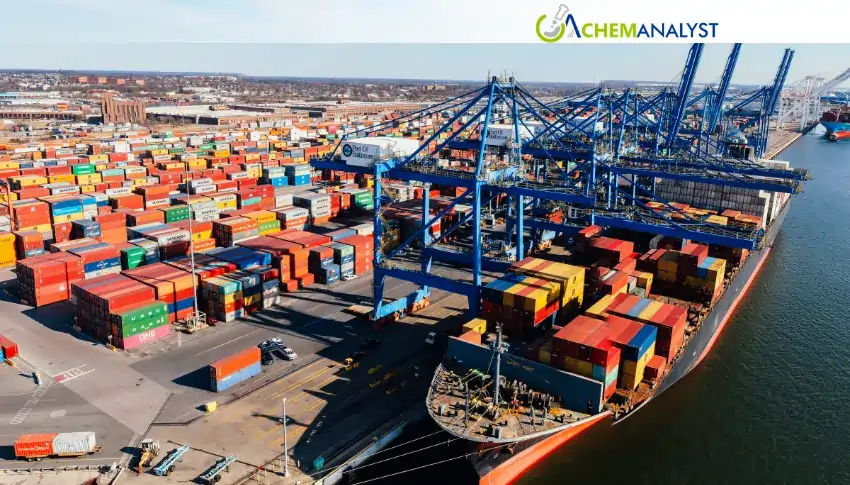
The global shipping industry received a temporary boost as diplomatic efforts helped restore commercial traffic through the Strait of Hormuz. While the breakthrough reduced fears of a prolonged disruption in one of the world’s most important maritime chokepoints, carriers and cargo owners remain cautious. High freight rates, vessel shortages, and early peak season demand continue to place significant pressure on global supply chains.
The Short-Lived Hormuz Reopening
Optimism came mid-week as the U.S. and Iran reached a Memorandum of Understanding aimed at removing the naval blockade and reopening commercial shipping across the Strait of Hormuz. In response to this development, maritime tracking systems recorded an upsurge in the number of ships transiting the Strait; 25 commercial ships passed through the Strait on June 18th—this was the largest number since mid-April.
The optimism was short-lived, however. On June 20th, the Iranian authorities shut down the Strait once more, due to military moves in Lebanon, alleging breaches of the recently signed agreement. As a result of these developments, maritime traffic ground to a halt, and an unprecedented AIS disruption event took place affecting over 200 commercial ships in the Persian Gulf, as ships turned to spoofing or dark routing in order to evade detection. The U.S. naval blockade is still officially operational, while the enormous backlog of ships stranded in areas such as Kharg Island and Chabahar Port awaits clearance.
Carriers Hold the Line on Detours
Unfazed by the volatile diplomatic theatre, major ocean operators refuse to abandon their defensive postures. Carriers including Maersk, MSC, Hapag-Lloyd, and CMA CGM have maintained their rerouting strategies via the Cape of Good Hope. The consensus among operators is that physical safety must be unequivocally guaranteed—and mines fully cleared—before returning to the region. The extended 10-to-14-day transit times around Africa remain the baseline for East-West trade.
Capacity Squeeze and Early Peak Season
With global fleets tied up on longer routes, vessel capacity is critically tight. Shippers, terrified of further disruptions and volatile bunker fuel costs, are aggressively frontloading their Q3 imports. This panic has ignited an early peak season, sending spot rates soaring.
• Asia to U.S. West Coast: Freight rates have climbed over 10% in recent week, jumping to approximately $5,142 per FEU.
• Asia to North Europe: Spot rates surged 15%, hitting roughly $4,342 per FEU.
To capitalize on the constrained space, carriers are rapidly implementing Peak Season Surcharges (PSS), with operators like Maersk recently introducing new surcharges for Far East to Europe routes to manage the overwhelming demand.
Short-Term Outlook
While the reopening of the Strait of Hormuz has reduced immediate concerns about a complete shutdown of regional shipping, the market remains far from normal. Carriers, insurers and cargo owners continue to factor geopolitical risk into their planning, while port congestion and equipment shortages remain ongoing challenges.
As long as security concerns persist and vessels remain deployed on longer routes, freight markets are likely to remain volatile. Supply chain managers should expect increased transportation costs, longer lead times and continued pressure on schedule reliability throughout the upcoming weeks.







Leave a Comment
Comments (0)