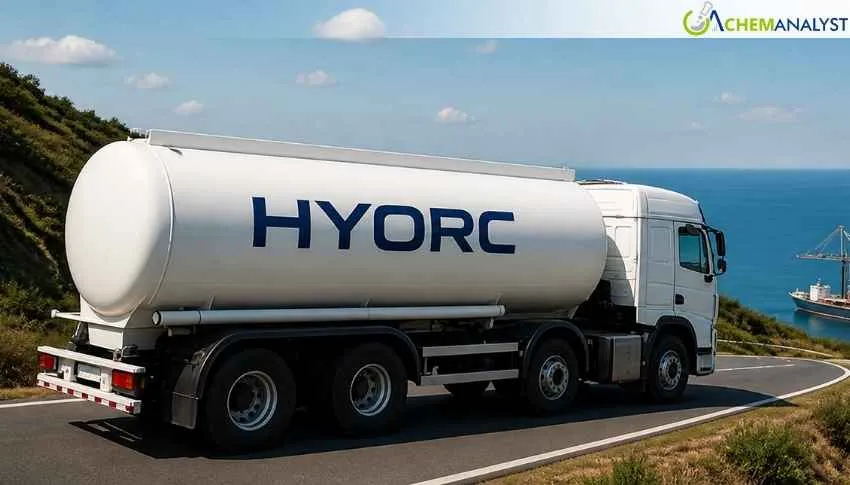
A key event in this announcement is HyOrc's estimation of a preliminary levelized cost of methanol production at approximately €350-€370 per tonne under assumed RDF feedstock conditions. This cost range is notably below published regional contract methanol pricing, including European benchmarks, positioning HyOrc to compete effectively within conventional markets. A significant factor contributing to this competitive cost profile is the company's negative-cost feedstock structure, where municipal waste streams generate tipping fee revenues, thereby enhancing overall project economics. This economic advantage also offers potential for premium pricing from certified low-carbon fuels, particularly under long-term contract-based supply arrangements.
The validation by Bureau Veritas serves as a critical step towards the commercial deployment of HyOrc's technology, providing essential third-party confirmation of its robustness and scalability for project financing. Currently, HyOrc is advancing its initial commercial projects, including a 35 TPD RDF to 8 TPD methanol facility in Porto, Portugal, and a larger 150 TPD RDF to 38 TPD methanol project in Varna, Bulgaria. Both projects are supported by secured land access, permitting frameworks, environmental approvals, and local partnerships. The Porto site, in particular, has secured methanol offtake alignment from PRIO Energy, signaling strong commercial interest.
The broader implications of HyOrc's advancements are significant across economic, geopolitical, and industry-specific landscapes. Economically, the low production cost and the "negative cost" feedstock model present a compelling investment opportunity and a potential disruptor in the methanol market. The company anticipates generating over 100 billion in cumulative income globally from similar projects over the next decade, with planned European rollouts projected to yield an estimated 1.8 billion in revenues over ten years. The positive market reaction, with HyOrc's stock experiencing a notable gain, further underscores investor confidence.
From an industry and environmental perspective, HyOrc's waste-to-methanol platform addresses pressing global challenges related to decarbonization and waste management. Methanol is increasingly recognized as a leading alternative fuel for shipping decarbonization, and HyOrc's technology offers a scalable and cost-competitive pathway to meet this growing demand for low-carbon fuels. By converting municipal waste into clean fuel, HyOrc contributes to waste diversion objectives and helps industries like shipping, rail, and off-grid power achieve their decarbonization goals and meet tightening emissions regulations, such as the IMO 2030 targets. This positions HyOrc as a key player in the accelerating global shift towards green fuels and sustainable energy solutions.







Leave a Comment
Comments (0)