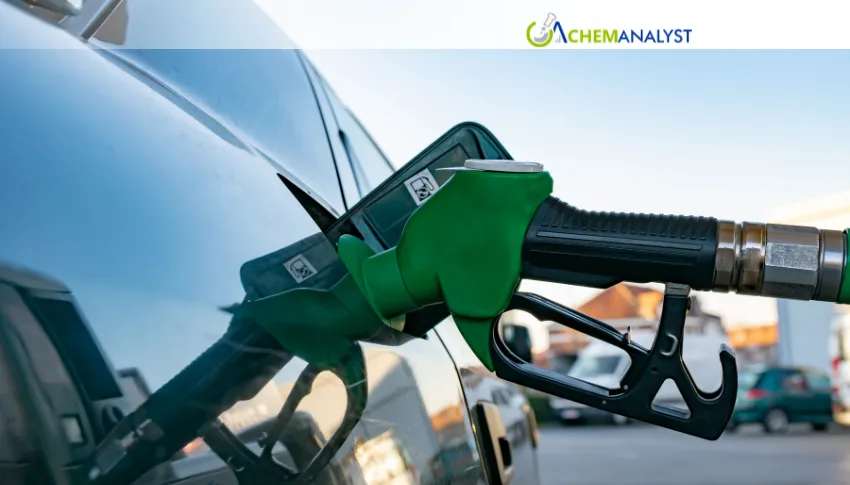
The Government of India has clarified that it currently has no plans to increase the ethanol content in gasoline beyond the existing 20% blend (E20), addressing concerns over the possibility of a higher ethanol mandate. The announcement was made by Minister of State for Petroleum and Natural Gas Suresh Gopi in a written response to Parliament, emphasizing that any future decision to raise ethanol blending levels would only be considered after comprehensive scientific studies, technical evaluations, and extensive consultations with key stakeholders, including automobile manufacturers, fuel retailers, and feedstock suppliers.
India completed the nationwide rollout of E20 petrol at approximately 90,000 fuel stations by the end of last year, making it the standard petrol grade across the country. The transition sparked debate among motorists and automotive experts, with some raising concerns over reduced fuel efficiency, engine durability, corrosion risks, and compatibility with older vehicles.
However, the government maintained that there is no intention to roll back to E10 or conventional petrol. According to Gopi, E20 represents a cleaner and more advanced fuel option that supports India's long-term energy security and decarbonization objectives. He stated that authorities have not received any significant reports of engine failures, corrosion, fuel pump damage, or other widespread technical issues directly linked to E20 usage. For vehicles originally designed for E10 fuel, the government estimates only a marginal reduction in fuel efficiency of around 3–5% when operating on E20. Officials also noted that if ethanol blending had been causing large-scale mechanical failures, it would have resulted in substantial warranty claims, service campaigns, and consumer complaints, none of which have been observed.
Alongside maintaining the E20 mandate, India continues to diversify the feedstocks used for ethanol production to reduce dependence on sugarcane. Ethanol is now produced from multiple agricultural sources, including maize, damaged foodgrains, broken rice, and grains unsuitable for human consumption. This strategy aims to improve supply security while reducing pressure on water-intensive sugarcane cultivation.
The government's diversification efforts have significantly increased maize's contribution to ethanol production, with its share rising from virtually zero to around 37% of the ethanol program over the past five years through 2025–26. This shift supports more sustainable agricultural practices while balancing food security, water conservation, and farmer welfare.
The government reiterated that India's ethanol blending programme will continue to prioritize environmental sustainability, food availability, and farmer interests while supporting cleaner transportation fuels. Any future revisions to ethanol blending targets will be based on scientific evidence, technological readiness, and stakeholder consensus rather than predetermined policy commitments.
Impact on Products and Chemical Commodity Prices
India's decision to maintain the ethanol blend at 20% provides stability for the domestic ethanol market and prevents an immediate surge in demand for ethanol feedstocks. Demand for fuel ethanol, maize, and sugarcane-derived ethanol is expected to remain steady rather than accelerate. For chemical commodities tracked by ChemAnalyst, prices of ethanol are likely to remain broadly stable, supported by predictable blending requirements. Maize demand will continue to strengthen gradually due to feedstock diversification, while molasses and sugar markets should witness balanced demand. The absence of a higher blending mandate reduces the risk of sharp feedstock shortages or sudden price spikes across the biofuel value chain.








 About ChemAnalyst
Leave a Comment
Comments (0)