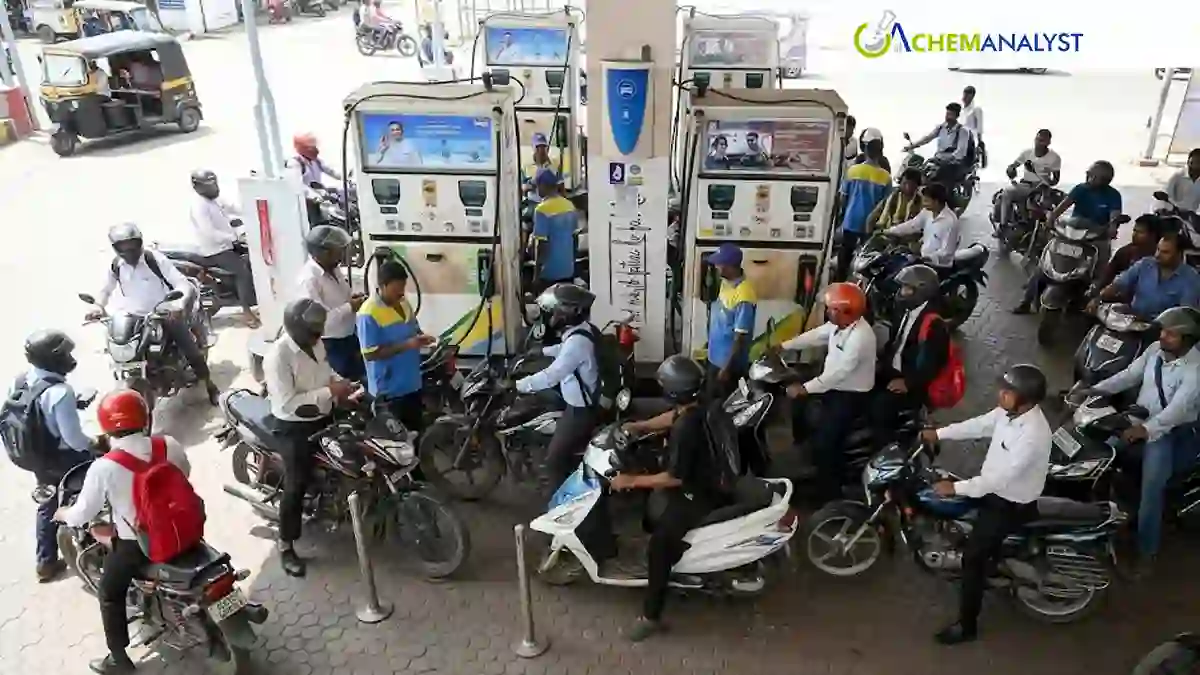
Compressed Natural Gas (CNG) prices in India have seen a significant surge, with a hike of ?2 per kilogram in New Delhi on Tuesday, marking the fourth such increase in just two weeks. This latest revision by Indraprastha Gas Limited (IGL) brings the price of CNG in Delhi to ?83.09 per kg, up from ?81.09 per kg. Prices have also been adjusted upwards across the National Capital Region, with consumers in Noida, Ghaziabad, and Greater Noida now paying ?91.70 per kg, and rates in Gurugram rising to ?88.12 per kg. Further increases were noted in Ajmer, reaching ?92.44 per kg, and Chennai, at ?95 per kg. Cumulatively, CNG prices have risen by ?6 in the last 11 days, following earlier hikes of ?2 on May 15, ?1 on May 18, and ?1 on May 23.
These repeated price adjustments are primarily attributed to intense global energy market volatility and prolonged geopolitical tensions in West Asia, including the ongoing Iran war. Disruptions around the strategically vital Strait of Hormuz, a crucial passageway for global oil and gas trade, have fueled supply concerns and contributed to a sharp increase in international crude oil prices. Crude oil prices have escalated from approximately 65-70 per barrel to over 100 per barrel during the conflict period. As India imports nearly 85% to 90% of its crude oil requirements, these global developments translate into elevated import costs for the energy-dependent nation. State-run oil companies are also facing mounting financial pressure due to rising crude prices and the depreciation of the rupee, leading to significant under-recoveries. The increase in input gas costs and the steep appreciation of the US dollar have further necessitated these price revisions.
The consequences of these continuous fuel price hikes are widespread and significant. Economically, they directly impact the running costs for daily commuters, cab operators, and auto-rickshaw drivers, making transportation more expensive. This increase in logistics costs is expected to trigger a ripple effect, potentially leading to higher retail prices for everyday goods and essential commodities like milk and bread, thereby impacting household budgets across income groups. The perception of CNG as an economical and cleaner fuel alternative is now being questioned by many commuters and commercial vehicle drivers, who feel its cost advantage over petrol is diminishing. Taxi unions and commercial transport bodies in Delhi-NCR have voiced their frustration and are demanding revisions in fares to offset their shrinking earnings. This situation highlights India's vulnerability to global market developments and geopolitical instability, posing ongoing challenges for the country's energy management strategies.








 About ChemAnalyst
Leave a Comment
Comments (0)