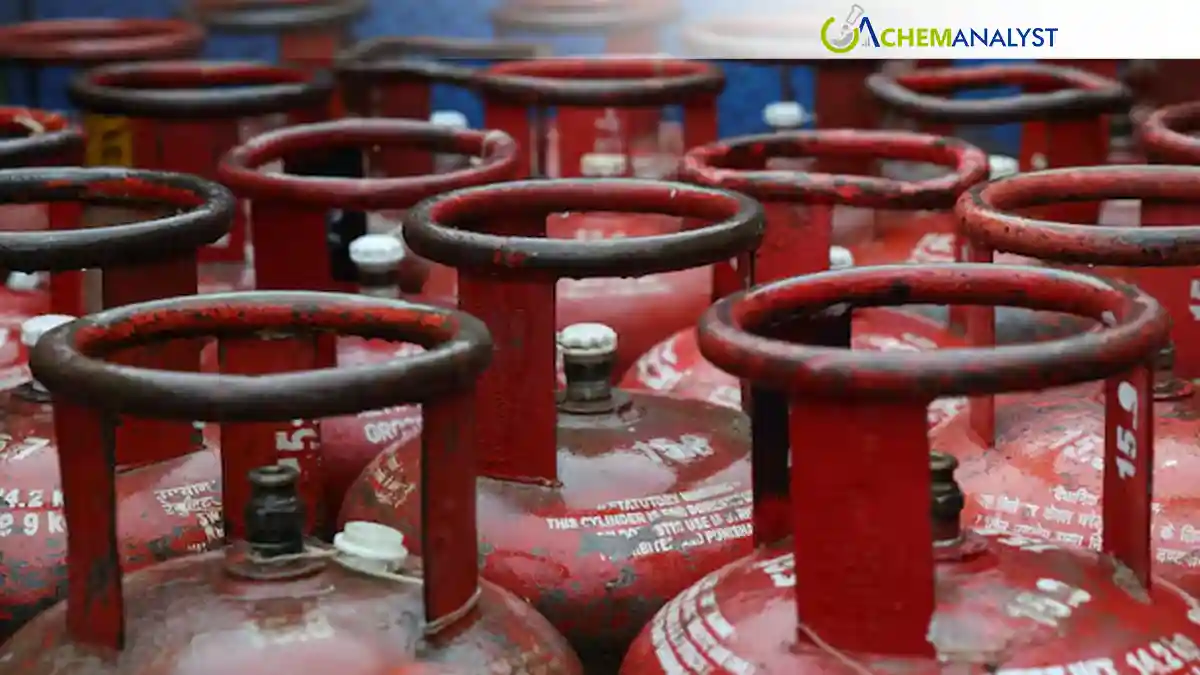
India is introducing incentives for city gas distribution companies to expand domestic piped natural gas (PNG) connections as disruptions in international fuel markets increase import costs. The government announced the measure on Tuesday, aiming to strengthen the domestic gas distribution network, increase the use of piped cooking gas and reduce India's dependence on imported liquefied petroleum gas (LPG).
The announcement triggered gains in shares of major city gas distributors. Indraprastha Gas rose 3.5%, while Mahanagar Gas gained 4% and Gujarat Energy increased 0.5% on Wednesday, reflecting investor expectations that the new policy could improve gas sourcing economics and support customer additions.
The incentive scheme will take effect in September. Under the program, city gas distribution companies will receive an additional 200 standard cubic meters of lower-cost domestically produced natural gas for every household that becomes connected to PNG and begins purchasing the fuel. The government expects the additional allocation to reduce distributors' overall gas procurement costs and encourage companies to activate unused connections.
The policy is also designed to accelerate expansion of pipeline infrastructure to households that currently rely on LPG cylinders. According to the Ministry of Petroleum and Natural Gas, the additional gas allocation could allow distributors to recover investments in new connections within approximately three years, compared with around 10 years under existing economics.
Several companies, including Indraprastha Gas, Mahanagar Gas, GAIL Gas and Bharat Petroleum Corp, have already introduced measures to encourage PNG adoption, including lower installation charges. The latest government incentive is expected to provide further support to these efforts.
India currently has approximately 17.4 million domestic PNG connections, significantly below its 331.4 million active household LPG customers as of July 1. This large gap highlights the considerable potential for PNG expansion if infrastructure and affordability improve.
India remains the world's second-largest LPG importer and relies on imports for around 60% of its LPG consumption. The country imported approximately 22 million metric tons of LPG in 2025, mainly from Middle Eastern suppliers, spending nearly $12 billion.
The policy could therefore help India gradually reduce LPG import exposure while increasing domestic natural gas consumption. However, the pace of substitution will depend on pipeline availability, household conversion costs, gas prices and consumer acceptance.
Product impact and chemical commodity price impact
The immediate impact is positive for India's PNG sector, as cheaper domestic gas should reduce sourcing costs, improve connection economics and encourage households to shift from LPG to piped natural gas. LPG demand could gradually weaken as PNG penetration increases, potentially reducing India's import requirements and exposure to international LPG prices. For chemical commodities tracked by ChemAnalyst, lower domestic gas costs could provide some relief to gas-intensive producers, particularly those involved in ammonia, methanol, hydrogen and other gas-based chemicals. However, the near-term effect on commodity prices is likely limited because the policy targets residential fuel switching rather than industrial gas consumption. Over time, reduced LPG imports could ease regional LPG demand pressure.







 About ChemAnalyst
Leave a Comment
Comments (0)