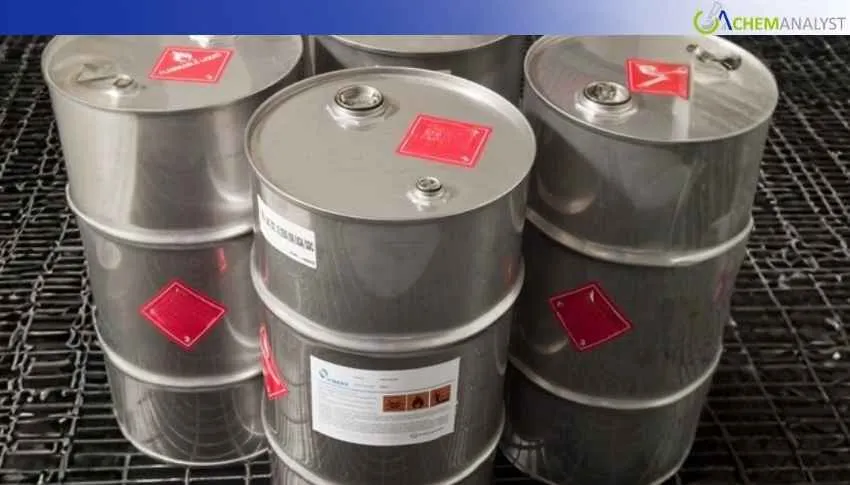
Jet kerosene prices in India witnessed a notable surge in March 2026, supported by strong demand conditions and rising global energy costs. The increase came at a time when the broader petroleum market experienced unusual volatility, driven by geopolitical tensions and short-term demand spikes across the country.
One of the key factors behind the Jet Kerosene price rise was the sudden surge in fuel consumption during the latter half of March. In states like Gujarat, panic buying triggered by false reports of supply shortages led to an abnormal jump in fuel sales. Petrol and diesel demand surged significantly, with some retail outlets reporting two to three times their average daily sales. Although jet fuel demand is structurally different, this broader spike in petroleum consumption created upward pressure across the refining chain, indirectly supporting jet kerosene prices.
At the same time, global supply concerns played a major role in the Jet Kerosene market trend. The geopolitical conflict involving Iran and disruptions around the Strait of Hormuz impacted crude oil flows, pushing international crude prices sharply higher during the month. Since jet kerosene prices are closely linked to crude oil benchmarks, this rise translated into higher aviation fuel costs in India. Increased war-risk premiums, higher freight charges, and rerouted shipping routes further added to the cost burden for refiners and importers.
Strong demand from the aviation and shipping sectors also contributed to the bullish trend in the Jet Kerosene market. Bunker fuel demand at major ports such as Kandla, Mumbai, and Kochi remained robust throughout March, supported by increased vessel traffic and rerouting activity. This indicated a broader strength in middle distillates, including jet fuel. Additionally, steady airline operations and pre-summer travel demand encouraged aviation companies to maintain healthy fuel inventories, further supporting prices.
Supply-side challenges within India also played a role. Tight barge availability, logistical delays, and operational disruptions at some ports created temporary supply bottlenecks. These factors limited immediate availability and supported higher spot prices for petroleum products, including jet kerosene.
Despite the sharp monthly increase, the overall Jet Kerosene demand trend for the financial year remained relatively moderate, suggesting that the March spike was partly driven by temporary factors rather than a sustained consumption boom.
As per ChemAnalyst, looking ahead, jet kerosene prices in India are expected to maintain an upward trajectory in April 2026, with forecasts to a further increase of around 6%. Continued geopolitical tensions, elevated crude oil prices, and strong seasonal travel demand are likely to support the market. However, any easing of supply disruptions or stabilization in global oil markets could moderate the pace of increase. Overall, the outlook remains positive but dependent on evolving global and regional dynamics in the Jet Kerosene market.






Leave a Comment
Comments (0)