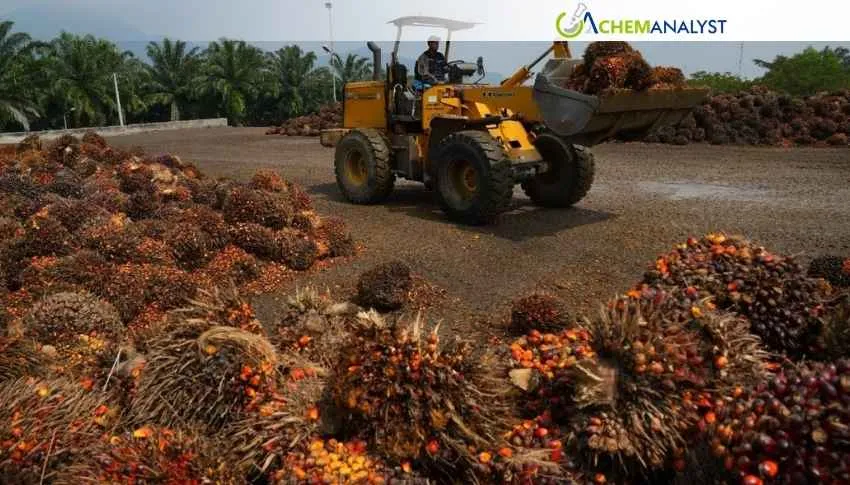
Indonesia, the world's largest palm oil producer, has introduced a significant overhaul of its commodity export policy, causing widespread confusion and volatility across global markets. President Prabowo Subianto's administration announced plans to route exports of strategic commodities, including palm oil, coal, and ferronickel, through a new state commodity export body overseen by the sovereign wealth fund Danantara.
The primary motivations behind this radical policy shift are multi-faceted. The government aims to boost state revenue, particularly to fund costly flagship programs like a nationwide free school meals initiative. Additionally, the move is intended to combat under-invoicing of commodity exports, a practice that has reportedly led to significant losses in tax revenues and foreign exchange for Indonesia. The government also seeks to centralize control over capital flows and stabilize the plunging rupiah, which has reached successive record lows against the dollar. Beyond exports, the administration has also seized millions of hectares of land, including plantations, as part of a broader effort to improve land management, though the swiftness of these actions has raised questions about their impact on commodity production.
The immediate aftermath of the announcement has been marked by significant market confusion and a "wait-and-see" attitude among traders and buyers. This uncertainty has led to whipsawed prices for benchmark palm oil futures, with some buyers reportedly securing spot cargoes at bargain rates even as futures prices climbed. Industry players, including the head of treasury and markets at Prime EcoHarvest Commodities, noted widespread confusion regarding the new export rules, leading to reluctance in pricing and trading activities. The lack of clear operational details has already disrupted supply chains and reduced trading activity.
Economically, the policy has triggered a negative reaction in Indonesian markets. The Jakarta Composite Index tumbled, with energy and basic materials companies experiencing significant declines, and palm oil and coal stocks plummeted. The rupiah further weakened to record lows, exacerbating concerns about the country's fiscal discipline and the potential for a credit rating downgrade. While the plan might bolster government finances, investors fear it could undermine decades of market-oriented reforms and lead to increased state control and reduced profitability for key industries.
Geopolitically and globally, the new policy threatens to increase international prices for raw materials like palm oil and coal. Given Indonesia accounts for over half of global palm oil exports, fears of supply disruptions in global commodity markets are substantial. Critics warn of the potential for a trade monopoly and the concentration of political influence over vital trade flows. This situation could also potentially lead to increased exports from Malaysia, the world's second-largest palm oil producer.
Specifically for the palm oil industry, the initial focus of the new state body includes crude palm oil and refined, bleached, and deodorized (RBD) olein, which constitute approximately half of Indonesia's palm oil sales. Industry groups, such as the Association of Indonesian Oil Palm Farmers' Organisations, have voiced strong concerns, warning that the proposal could foster monopolistic practices and rent-seeking. While London-listed palm oil producers initially saw a sell-off, some analysts suggest this might be an overreaction for companies that primarily sell to domestic refiners rather than directly exporting. Adding to market dynamics, Indonesia's domestic demand for palm oil is already rising sharply due to a new B50 biodiesel mandate, which is expected to divert a significant volume from global export markets. The full details of the policy remain crucial for determining its comprehensive impact on the market.







 About ChemAnalyst
Leave a Comment
Comments (0)