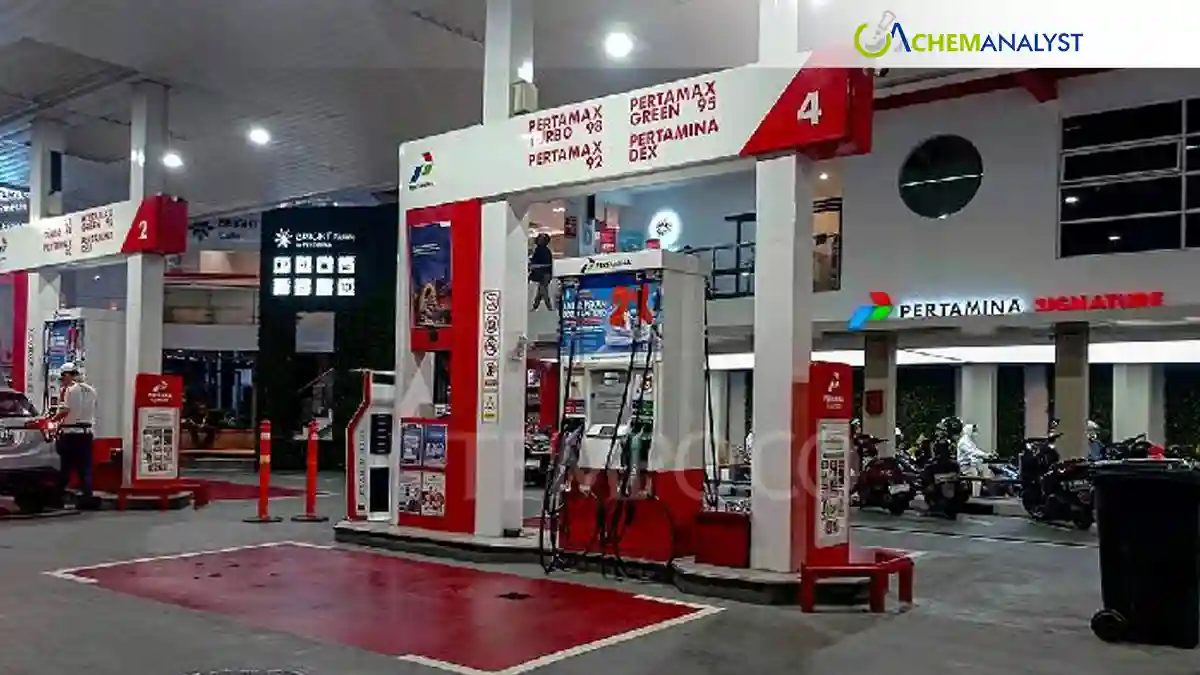
Indonesia is set to implement a mandatory 5 percent ethanol-blended gasoline (E5) program starting July 2026, marking a significant stride towards bolstering the nation's energy independence and transitioning to cleaner fuels. The mandate will be rolled out gradually, commencing with Java Island, due to initial limitations in bioethanol supply. This policy builds upon earlier initiatives, as state-owned Pertamina began distributing E5 in Surabaya City in July 2023, reviving a blending program that had been dormant since 2009. Looking ahead, the government aims to increase the blending rate to 10 percent (E10) by 2028 and potentially 20 percent (E20) by 2028 or 2030.
The primary drivers behind this mandate are multifaceted, encompassing economic, geopolitical, and environmental objectives. Economically, as a net oil importer, Indonesia seeks to reduce its heavy reliance on fossil fuel imports, which significantly strain its trade balance and state budget, especially amid volatile global oil prices. The E5 blend is projected to substitute 5 percent of fuel imports. Geopolitically, the policy aims to strengthen energy self-sufficiency, reducing vulnerability to global supply disruptions and price surges, particularly those triggered by conflicts in the Middle East, which have pushed oil prices above 100-118 per barrel. Environmentally, the initiative aligns with Indonesia's commitment to curb carbon emissions and meet its greenhouse gas reduction targets of 29 percent by 2030, potentially rising to 41 percent with international support.
The mandate is expected to have substantial economic and industry-specific impacts. To meet the E5 requirement, Indonesia will need 1 million to 1.2 million kiloliters of bioethanol annually, a significant increase from the current output of 60,000 kiloliters produced by only three fuel-grade ethanol facilities. This necessitates a boost in domestic production from feedstocks such as sugarcane, cassava, and palm sugar. The government's push is also linked to its goal of achieving self-sufficiency in sugar, with Presidential Regulation No. 40 of 2023 targeting 1.2 billion liters of sugarcane ethanol by 2030. However, challenges remain, including the price disparity between bioethanol and conventional gasoline, and intense market competition for molasses, a key feedstock, which has driven up its price. To address this, discussions are underway to provide excise tax exemptions for fuel-grade ethanol, particularly for commercial permit holders like Pertamina. Furthermore, incentives are planned for companies investing in ethanol production plants, with Japanese automotive giant Toyota reportedly exploring such opportunities.
This ethanol mandate runs parallel to an accelerated B50 (50 percent palm-based biodiesel) mandate, also commencing July 1, 2026, underscoring a broader national strategy to embed biofuels across various transport sectors and enhance energy security through diversified, domestically sourced energy.







 About ChemAnalyst
Leave a Comment
Comments (0)