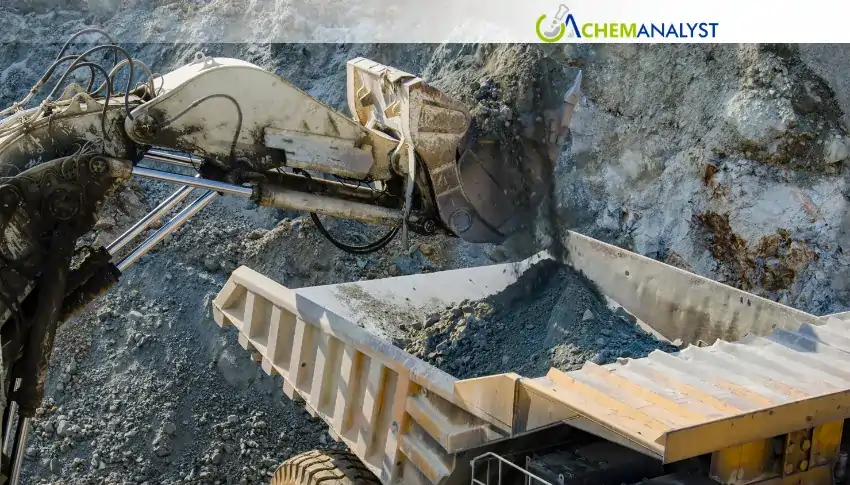
The Indonesian Ministry of Energy and Mineral Resources (ESDM) has underscored the critical importance of optimal, sustainable, and value-added management of the nation's mineral resources amidst dynamic global shifts. The Ministry emphasizes that critical minerals are poised to be a primary determinant of future global economic competitiveness. This focus is driven by a confluence of factors, including escalating geopolitical tensions, disruptions in global supply chains, the pervasive issue of climate change, and the accelerating global energy transition towards cleaner sources. In this evolving landscape, energy security is no longer solely about resource availability but increasingly hinges on a country's capacity to control strategic resources vital for future technologies.
Indonesia holds a significant strategic advantage due to its vast commodity reserves, positioning it as a major player in the critical minerals sector. The nation boasts the world's largest nickel reserves, estimated to last for 31 years at current production rates, and the second-largest tin reserves, sufficient for 22 years. Additionally, Indonesia possesses the world's fourth-largest bauxite reserves, alongside substantial deposits of copper, gold, silver, and iron, and considerable coal reserves crucial for national energy security. These abundant resources classify Indonesia as a "home" of critical minerals, which are defined by the Ministry as minerals essential for the national economy but prone to supply disruptions and lacking viable substitutes. These include key components for electric vehicle (EV) batteries, such as nickel, lithium, and cobalt, as well as materials vital for other renewable technologies like solar panels and wind turbines.
The discourse around critical mineral management gained significant traction during the Indonesia International Sustainability Forum (IISF) 2024, where stakeholders discussed a paradigm shift in the approach to these resources. Coordinating Minister for Maritime Affairs and Investment, Luhut Binsar Pandjaitan, reiterated the surging global demand for critical minerals, propelled by the worldwide push to transition from fossil fuels to environmentally friendly energy sources. Indonesia's rich nickel reserves and potential in rare earth elements place it in a strategic position within the global supply chain for these vital materials.
Optimal and sustainable management of these critical minerals is intrinsically linked to achieving national energy sovereignty and can yield long-term positive impacts across economic, social, and environmental spheres. Economically, the mining sector has historically contributed significant state revenues and job creation. Geopolitically, Indonesia's control over these strategic resources enhances its influence in the global energy and technology landscape. However, the industry faces challenges, including historical links to environmental damage, such as deforestation and water pollution, and potential social conflicts with local communities. To mitigate these risks and maximize benefits, sustainable management requires cross-sector partnerships, particularly with the technology industry, and active participation from local communities, ensuring fair and responsible mining operations. Companies like Vale Indonesia exemplify responsible mining through efforts such as reclaiming cleared land, demonstrating that ecological and social considerations can be integrated into mining practices.






Leave a Comment
Comments (0)