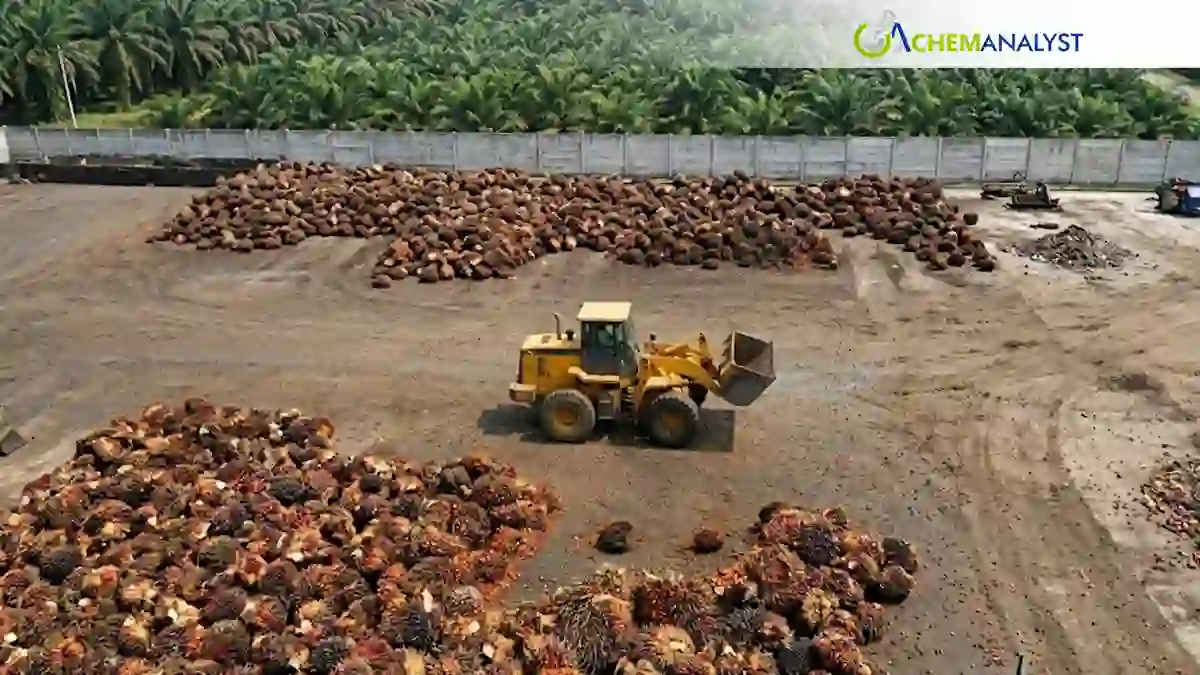
Indonesia has unveiled a sweeping new policy to centralize the export of key natural resources, including palm oil, coal, and ferroalloys, through a state-owned enterprise, a move set to profoundly impact global food chains and commodity markets. Announced by President Prabowo Subianto on May 20, 2026, the new regulation mandates that future sales of these strategic commodities will be channeled via a designated state-backed agency, PT Danantara Sumber Daya Indonesia. The transition is scheduled to commence in June 2026, with full implementation targeted for September 2026.
The primary motivation behind these stringent export controls is multifaceted, aiming to significantly bolster state revenue and address pressing economic challenges. President Subianto cited an estimated loss of $908 billion between 1991 and 2024 due to illicit practices such as under-invoicing, tax evasion, transfer pricing, and capital flight of export earnings. By tightening oversight, the government intends to optimize tax collection and maximize foreign exchange inflows, which are crucial for stabilizing the devaluing rupiah and managing inflation amidst global volatility. Furthermore, the policy aligns with a broader nationalistic agenda to assert greater state control over Indonesia's abundant natural resources and fund ambitious domestic programs, including a nationwide free school meals initiative.
The consequences and impacts of this policy are expected to be substantial across economic, geopolitical, and industry-specific spheres. Economically, the announcement immediately triggered a sharp decline in the stocks of major Indonesian commodity producers, such as First Resources Ltd and Golden Agri-Resources Ltd, and caused the Jakarta Composite Index to fall. Investors are expressing concerns over potential margin pressure, reduced trading flexibility, and increased policy unpredictability, which could deter foreign investment in the plantation and mining sectors.
From an industry-specific perspective, particularly for the global food sector, the impact on palm oil is significant. As Indonesia accounts for over half of global palm oil shipments, centralizing its exports through a single state entity is expected to disrupt global supply, potentially driving up international palm oil prices and those of rival edible oils. Industry participants warn that this move could fundamentally reshape Indonesia's palm oil trading structure, concentrating pricing power within the state-linked entity and potentially undermining the existing market-based trading ecosystem. The Indonesian Palm Oil Association (Gapki) and small-scale growers have voiced concerns that the policy could jeopardize established trade relationships with overseas buyers, reduce transparency, introduce greater political influence into commercial trade flows, and diminish farmers' bargaining power. Conversely, rival producer Malaysia could potentially benefit as international buyers seek more stable policies and diversified supply sources.
Geopolitically, this policy represents a significant assertion of Indonesia's resource nationalism, granting it greater bargaining power in negotiations with global superpowers seeking access to its vast resources. The disruption to global commodity markets, given Indonesia's position as the world's largest exporter of thermal coal and palm oil, could be considerable. China, as Indonesia's largest trading partner and a major importer of these commodities, is expected to feel the brunt of this policy pivot and may accelerate its search for alternative supply sources. Other key importers, including the US, European Union, India, Japan, South Korea, and neighboring Southeast Asian nations, will also be affected by these tighter controls.







 About ChemAnalyst
Leave a Comment
Comments (0)