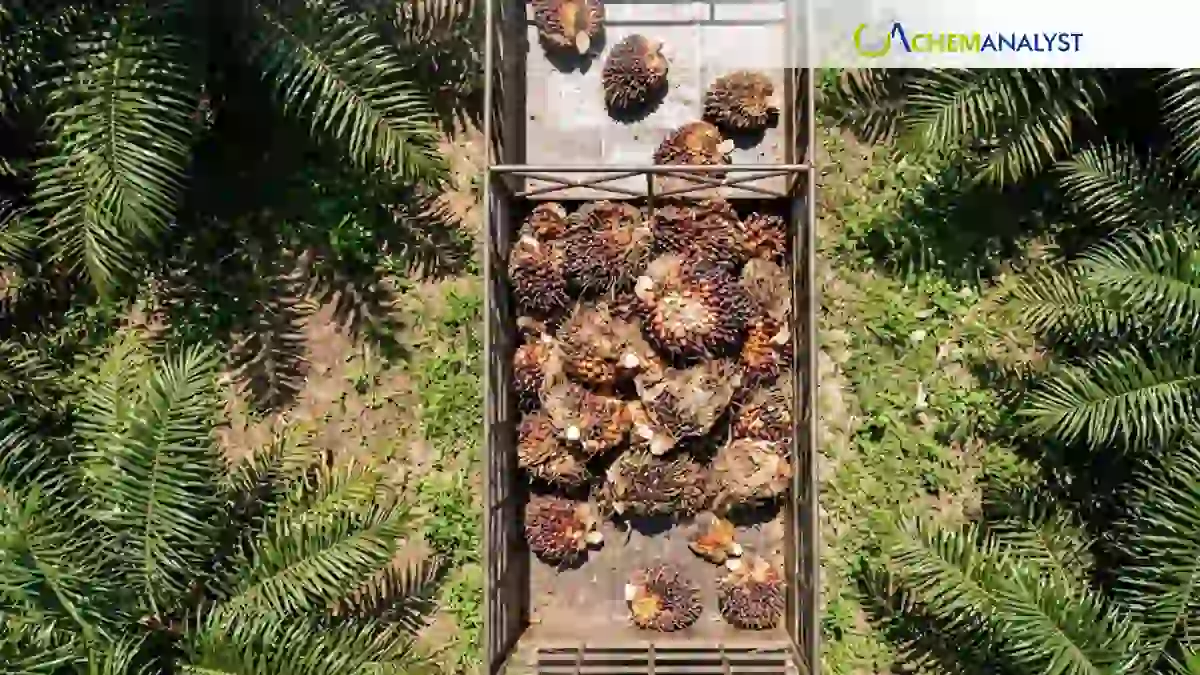
Indonesian President Prabowo Subianto has announced a significant policy shift to tighten state control over the export of key natural resources, including crude palm oil, coal, and iron-containing alloys. This move, which mandates that future sales of these commodities will be channeled through state-owned enterprises (SOEs), is set to begin its transition in June 2026 and be fully implemented by September. It represents an escalation of Indonesia's long-standing resource nationalism, aiming to maximize national benefits from its abundant natural wealth.
The primary causes driving this policy are multi-faceted. Fundamentally, it aligns with Prabowo's broader economic strategy emphasizing state-led development and tighter control over the resource sector, a stance he campaigned on. A key objective is to significantly boost state revenue and optimize tax collection, which the government believes has been undermined by illicit practices. Prabowo cited an estimated $908 billion in export revenue lost to under-invoicing between 1991 and 2024, alongside issues like underpayment, transfer pricing, and capital flight of export earnings. Furthermore, the policy seeks to stabilize the devaluing rupiah and manage inflation amid heightened global volatility, partly fueled by the Middle East war. It also serves to fund ambitious, costly government programs, such as universal free school meals. Another critical aspect is prioritizing domestic needs, with Prabowo stressing that producers must meet local demand for coal and palm oil before exporting.
The consequences and impacts of this policy are expected to be substantial across economic, geopolitical, and industry-specific spheres. Economically, while the government anticipates increased tax revenue and foreign exchange retention, the announcement led to a decline in the Jakarta Stock Exchange and a drop in shares of palm oil operators. Critics, such as the Palm Oil Farmers' Organisations Association (POPSI), have voiced concerns that the regulation could fundamentally alter the national palm oil trade structure and create trade monopolies. Moreover, some analysts suggest that such command economy methods could deter foreign investment in the plantation and mining sectors.
Geopolitically and for specific industries, the implications are significant. As the world's largest palm oil exporter and a major coal supplier, any structural changes in Indonesia's export system are poised to reshape global trading flows. Tighter export controls could constrain global supply and potentially drive up international commodity prices. This policy reinforces a growing trend of resource nationalism observed in Indonesia's nickel and mining sectors, where the government has previously banned raw ore exports and pushed for domestic processing. State-owned enterprises will assume a central role as designated sole exporters, managing proceeds and distributing them to business operators. This overarching strategy underscores Indonesia's determination to assert greater sovereignty over its natural resource wealth and ensure it primarily serves national interests.







 About ChemAnalyst
Leave a Comment
Comments (0)