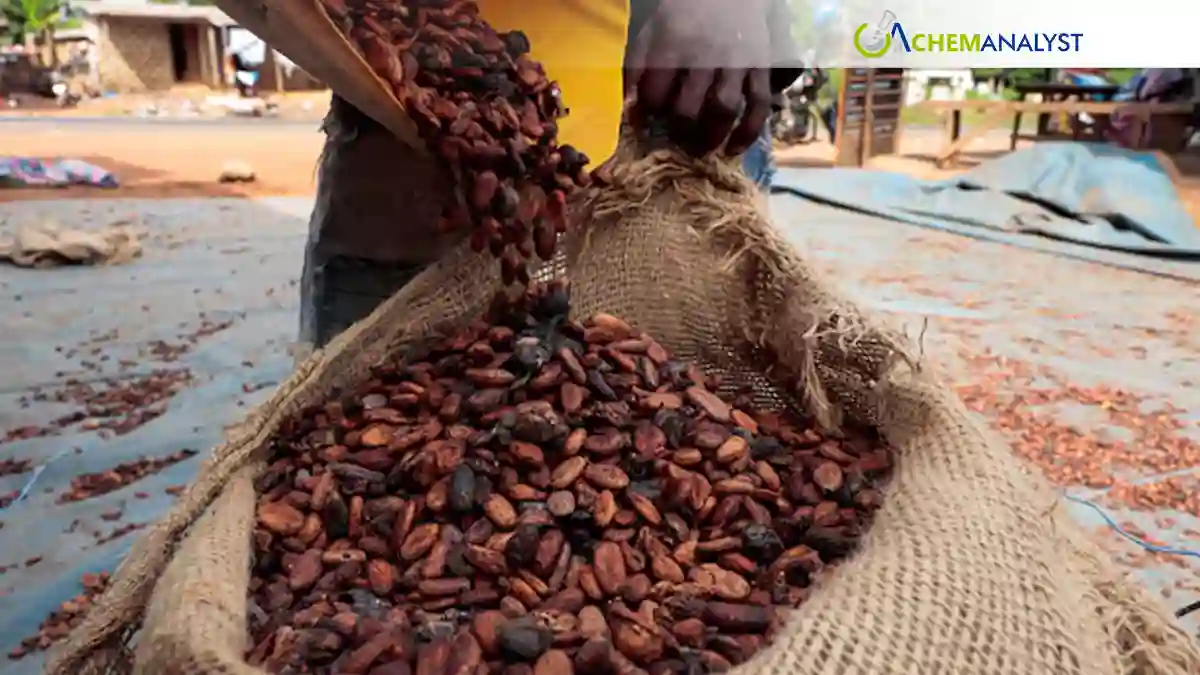
Ivory Coast, the world's leading cocoa producer, has demonstrated strong export performance for its 2026-27 main crop, having already secured approximately 1 million metric tons in export contracts. Despite this robust start, the Abidjan-based Coffee and Cocoa Council (CCC) has begun to slow further sales and has increased its premium on new contracts from zero to at least £100 ($135) per ton above the futures price. These actions signal an anticipated tightening of the market when the new season commences on September 1, driven by significant concerns over the impending El Niño weather pattern.
The primary cause for caution stems from forecasts indicating an 82% probability of El Niño conditions emerging between May and July 2026, with a 67% chance of a "Super El Niño" persisting through the end of the year. This weather phenomenon is expected to induce warmer, drier conditions and potential drought across major West African cocoa-producing nations, including Ivory Coast, Ghana, Cameroon, and Nigeria, thereby threatening future output. Already, the region experienced very hot weather between January and May, leading to a "certain fragility" in the development of the mid-crop and the subsequent main crop. Early surveys for the 2026/27 West African cocoa crop also reveal below-average cherelle formation, a critical indicator for future main crop volumes.
Adding to these climatic concerns is a widespread fertilizer shortage among Ivorian farmers. A survey found that 73% of farmers have not purchased fertilizer for the next two growing cycles, largely due to depressed cocoa prices reducing their revenues and surging fertilizer costs. Geopolitical factors, such as disruptions in the Strait of Hormuz and the Iran war, have exacerbated fertilizer supply issues and price hikes, indirectly impacting cocoa production capabilities.
The potential consequences for the cocoa industry are substantial. While Ivory Coast recently revised its 2025/26 cocoa output forecast upward to 2.2 million metric tons due to favorable weather, leading to increased port shipments and a temporary bearish pressure on near-term prices, the medium-term outlook is increasingly risky. Cocoa prices have recently surged amid mounting weather worries, reflecting market apprehension. Analysts like StoneX have already cut their 2026/27 global cocoa surplus estimate significantly, citing El Niño risks and fertilizer shortages, suggesting a meaningful tightening of supply from the fourth quarter of 2026 onwards. This volatile situation could lead to further price fluctuations, impacting global chocolate manufacturers and the livelihoods of cocoa farmers in Ivory Coast and across West Africa.








 About ChemAnalyst
Leave a Comment
Comments (0)