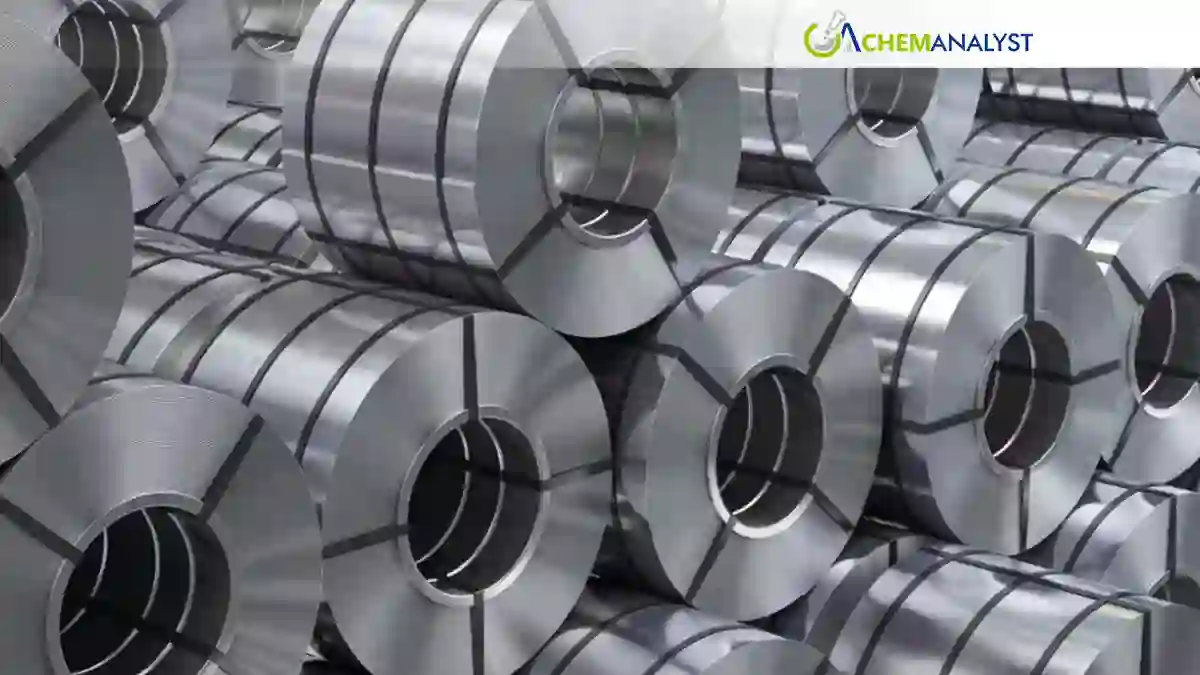
Japan has implemented provisional anti-dumping duties on specific hot-rolled stainless steel products from China and Taiwan. This measure, effective from June 28, 2024, addresses alleged unfair trade practices. The decision follows an investigation into claims of material injury to Japan's domestic steel industry. These duties will remain in place for four months while further assessments occur. This action highlights Japan's commitment to protecting its local industries.
Japan's Ministry of Finance initiated its investigation in December 2023. This action stemmed from a formal petition by major Japanese steel manufacturers. Companies, including Nippon Steel and JFE Steel, asserted that imported hot-rolled stainless steel plates from China and Taiwan were sold at unfairly low prices. This alleged dumping practice, they argued, harmed the competitive position of Japanese domestic producers.
The ministry's preliminary findings supported these claims. It concluded that both Chinese and Taiwanese products entered the Japanese market below fair value. This caused significant material injury to the local industry. This situation mirrors previous trade disputes in the steel sector. For example, Japan imposed duties on stainless steel bars from South Korea and China in 2019.
The provisional anti-dumping duties apply specifically to hot-rolled stainless steel plates. These duties took effect on June 28, 2024, and will last for four months. The rates vary depending on the country of origin and specific suppliers.
For Chinese suppliers, duty rates range from 40.2% to 57.8%. Taiwanese suppliers face higher rates, between 52.3% and 64.8%. These substantial duties aim to offset the price advantage from alleged dumping. The Japanese government will conduct further investigations during this period. A final decision on permanent duties will follow this review.
These provisional duties will likely have several economic and industry-specific impacts. Japanese domestic steel producers will benefit from increased protection against lower-priced imports. This could lead to a more stable market for their products, enhancing competitiveness and profitability.
Conversely, Chinese and Taiwanese stainless steel exporters will face higher costs when selling to Japan. This could reduce their market share or compel them to seek alternative export destinations. Such shifts may lead to adjustments in global stainless steel trade flows. This situation underscores ongoing trade tensions within the international steel industry, highlighting challenges in balancing free trade with domestic industry protection.
Impact on Product and Chemical Commodities
Japan’s provisional anti-dumping duties on hot-rolled stainless steel imports from China and Taiwan will strengthen the competitive position of domestic stainless steel manufacturers by reducing the influx of low-priced imports. Japanese mills may witness improved capacity utilization, firmer margins, and increased domestic sales over the four-month duty period, while Chinese and Taiwanese exporters are likely to divert excess material to alternative markets in Southeast Asia, Europe, or the Middle East. This redistribution could intensify competition and create localized oversupply in those regions.
For chemical commodities tracked by ChemAnalyst, the direct impact is limited since the measure targets finished steel products rather than chemical feedstocks. However, stronger domestic stainless steel production in Japan could moderately support demand for ferroalloys such as ferrochrome, ferronickel, nickel, chromium, and molybdenum, along with industrial gases used in steelmaking. Japanese stainless steel prices are expected to rise due to reduced import competition, while global stainless steel prices may remain mixed as displaced Chinese and Taiwanese exports increase supply pressure in other international markets.








 About ChemAnalyst
Leave a Comment
Comments (0)