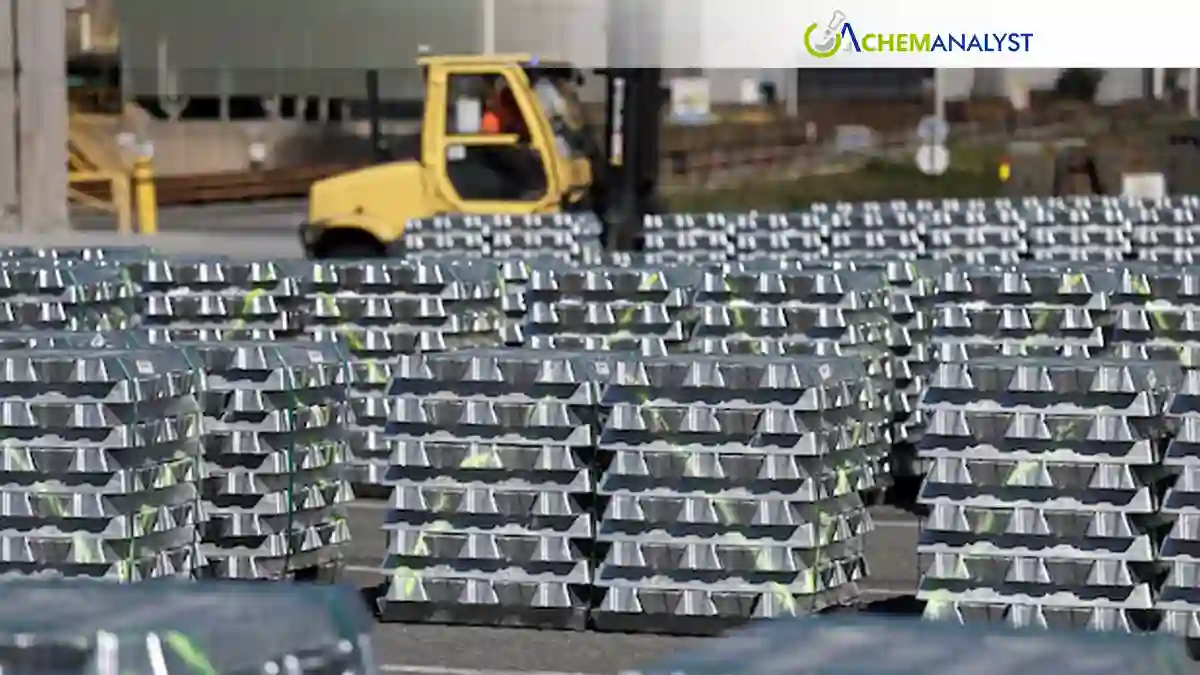
The London Metal Exchange (LME) metals market experienced significant volatility in the first half of 2026, characterized by dramatic price swings driven by geopolitical events and shifting macroeconomic conditions. Early-year optimism, which propelled copper and tin to record highs, gave way to sharp corrections as global dynamics changed.
Geopolitical tensions, particularly the "Iran war" and subsequent peace efforts, played a crucial role in market movements. The launch of "Operation Epic Fury" at the end of February doused initial market euphoria, while the postponement of United States-Iran peace talks later caused copper prices to fall. This environment highlighted the market's extreme sensitivity to global political developments.
Simultaneously, macroeconomic factors exerted considerable pressure. Resilient United States economic data, a firm interest rate backdrop, and uncertain demand signals from China contributed to market uncertainty. A strengthening US dollar made dollar-denominated metals more expensive for international buyers, further dampening demand. The nomination of Kevin Warsh as Federal Reserve Chair, signaling a hawkish monetary policy pivot, also triggered a significant crash in precious metals like gold and silver in January 2026.
Copper prices saw a sharp acceleration at the start of 2026, reaching new historical highs before a rapid correction. Despite high spot prices, copper smelters faced immense pressure due to an unprecedented collapse in processing fees, forcing them to rely on by-products for survival. This situation suggests a structural tension in the supply side, with LME copper inventories declining by over 45 percent.
Tin also reached record highs, but it became the most volatile metal during the period, experiencing significant intra-week drops. While a long-term bullish outlook persists due to demand from electronics, artificial intelligence, and robotics, the market risks being overpriced. Aluminium and nickel also saw sharp swings, partly influenced by ongoing discussions around sanctions on Russian supplies, which impact LME benchmark pricing.
Global demand for metals remains robust, driven by electrification, the energy transition, electric vehicles, and artificial intelligence infrastructure. However, this demand collides with a rigid supply environment, constrained by years of underinvestment in mining, regulatory bottlenecks, and persistent geopolitical tensions. Speculative financial flows further amplified short-term price volatility across the complex.
The extreme price fluctuations pose significant challenges for industrial companies, especially those in the electromechanical sector. They must maintain competitiveness and production continuity amid rapidly changing raw material costs. The copper concentrates market is seeing a shift away from annual benchmark deals towards spot index pricing, proposed by producers like Antofagasta in negotiations with Chinese smelters. Given the confluence of macroeconomic, geopolitical, and commodity-specific factors, short-term forecasting remains difficult, and elevated volatility is expected to continue across the base metals complex.
Impact on Products and ChemAnalyst Commodity Prices
Persistent volatility in LME base metals, particularly copper, aluminium, nickel, and tin, is expected to raise production costs across industries such as electrical equipment, construction, automotive, renewable energy, electronics, and packaging. Elevated copper and aluminium prices may increase manufacturing expenses for cables, wiring, heat exchangers, transformers, and industrial machinery, while volatile nickel and tin markets could affect stainless steel, batteries, semiconductors, and solder production. For chemical markets tracked by ChemAnalyst, higher metal prices may indirectly support cost inflation for products used in industrial processing, including sulfuric acid, caustic soda, hydrochloric acid, nitric acid, and specialty process chemicals consumed in metal refining and mining. Increased mining activity to address supply shortages could strengthen demand for flotation reagents, extractants, and industrial chemicals. Overall, sustained geopolitical uncertainty and constrained metal supplies are likely to keep upstream production costs elevated, resulting in firm-to-higher pricing trends for several industrial and mining-related chemical commodities over the near term.







 About ChemAnalyst
Leave a Comment
Comments (0)