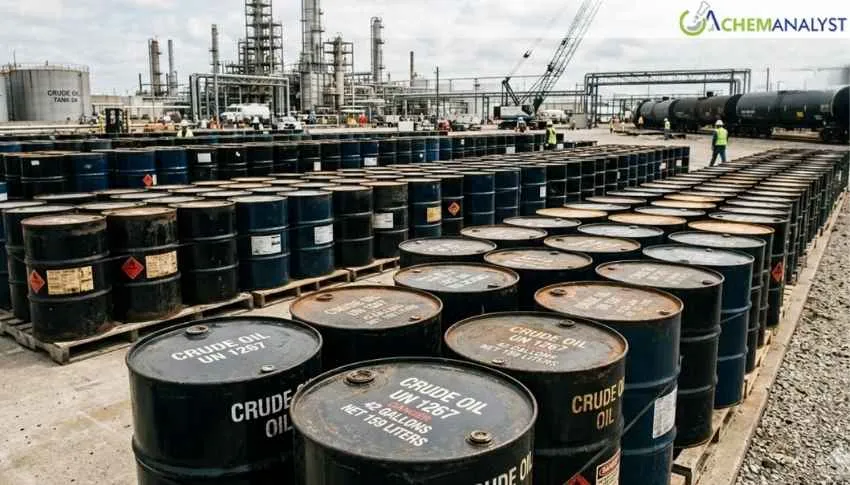
Escalating geopolitical tensions across the Middle East are beginning to weigh on global markets, creating uncertainty for industries that depend heavily on crude oil and international trade flows. With conflicts intensifying between key nations in the region, concerns are growing over potential disruptions to energy supplies and shipping routes, both of which play a critical role in shaping input costs for multiple sectors.
For the Indian automotive sector, the current situation is expected to exert pressure on operating margins in the near term. Crude oil and its derivatives form a significant portion of input costs, especially for components such as tyres and plastics. Any sustained increase in oil prices is likely to translate into higher production costs for manufacturers. At the same time, rising freight expenses due to disrupted trade routes and logistical uncertainties could further strain exporters, particularly those with a strong international presence.
Despite these challenges, the domestic automobile market continues to show resilience. Steady demand within India may provide some support to the sector, helping companies partially offset the impact of higher input and logistics costs. However, the overall environment remains cautious as businesses closely monitor geopolitical developments and their potential ripple effects.
The Indian chemicals sector is also facing similar headwinds. Heightened tensions involving countries such as Israel and Iran have increased risks around key maritime routes, particularly the Strait of Hormuz—a vital corridor for global energy and chemical shipments. Any disruption in this region can lead to delays, increased freight and insurance costs, and tighter availability of critical raw materials.
For Indian chemical manufacturers, this translates into higher landed costs for imported inputs and potential supply chain disruptions. Many commodity chemicals rely on crude-linked feedstocks, making them especially vulnerable to price volatility. In such an environment, companies may find it challenging to pass on rising costs to customers, particularly if demand conditions remain soft, thereby putting additional pressure on margins.
Globally, oil markets have reacted sharply to the evolving situation. Heightened tensions have raised concerns about the stability of supply chains, especially given the strategic importance of Middle Eastern oil flows. Market sentiment remains sensitive, with any escalation likely to further impact energy prices and trade dynamics.
Overall, the ongoing geopolitical uncertainty underscores the interconnected nature of global supply chains. For Indian industries such as automotive and chemicals, the situation highlights the importance of cost management, supply diversification, and agility in navigating an increasingly volatile external environment.








 About ChemAnalyst
Leave a Comment
Comments (0)