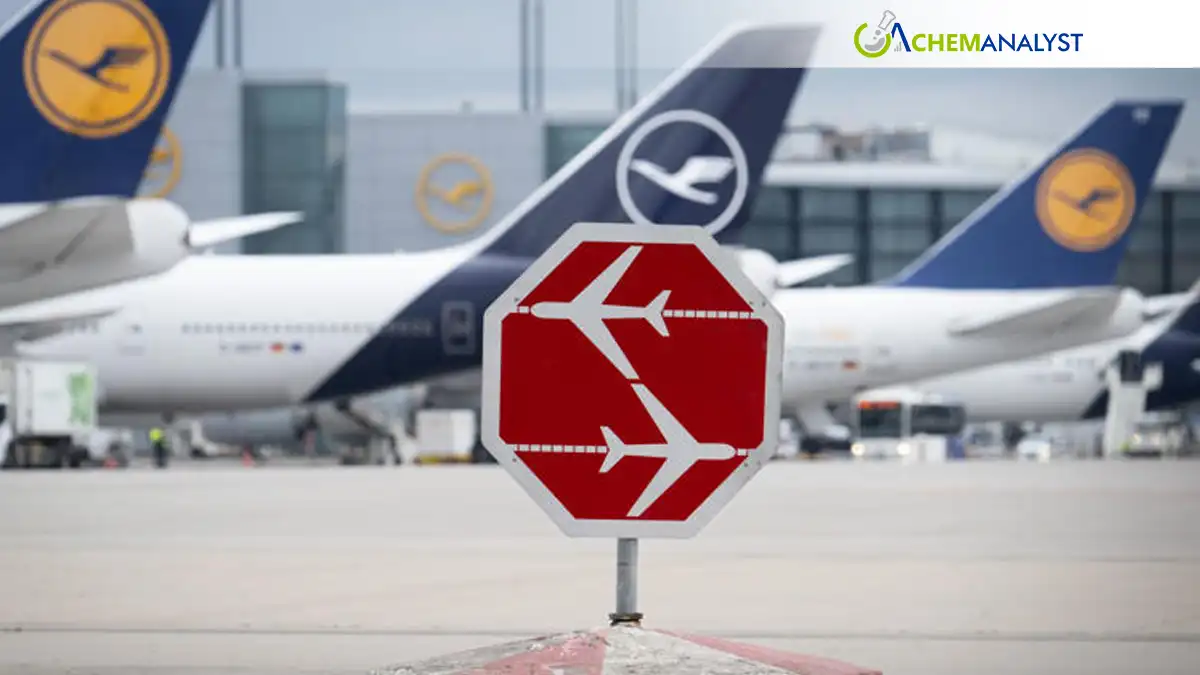
Concerns over potential jet fuel shortages, primarily stemming from the ongoing Middle East conflict, are unsettling German and other European travelers, threatening to significantly disrupt the summer travel season. The primary cause of this unease is the "war in Iran" and subsequent disruptions in the Strait of Hormuz, a critical waterway through which approximately 20% of the world's oil shipments pass. This geopolitical event has led to a dramatic escalation in jet fuel prices, which have roughly doubled since March and risen by almost 70% since the conflict began.
The economic impact on the aviation industry is severe. Jet fuel typically accounts for about 30% of an airline's operating costs, meaning the doubling of prices can wipe out an airline's entire profit margin, pushing carriers into financial losses. Lufthansa, Germany's largest airline, has warned of a nearly $2 billion increase in fuel costs this year and is implementing contingencies for potential shortages. In response to these soaring costs and supply uncertainties, airlines worldwide are taking drastic measures. Lufthansa has announced the cancellation of 20,000 less profitable short-haul flights until October. Other carriers like Air France are increasing long-haul ticket prices, while Hong Kong's Cathay Pacific has raised fuel surcharges on most routes by over 30%. Across the industry, airlines are cutting routes, trimming capacity, and increasing ticket and baggage fees, often passing 30% to 100% of the additional costs onto consumers.
For travelers, these developments translate into higher ticket prices, which are deemed inevitable. There is also the prospect of refueling stops being introduced on direct long-haul flights to destinations in Asia or Africa. Experts warn of potential delays and cancellations, advising travelers to book early, consider travel insurance, and be prepared for disruptions. Consequently, many European holidaymakers may opt for shorter trips within Europe rather than long-haul international travel.
Geopolitically, Europe is particularly vulnerable, as it imports up to 40% of its jet fuel, with roughly half of that originating from the Middle East. The head of the International Energy Agency (IEA) issued an "alarmist" warning that Europe could face jet fuel shortages within six weeks, though some airlines contend that a four-to-six-week supply outlook is standard and strategic reserves exist. Beyond Europe, parts of Asia are experiencing acute jet fuel shortages. While some European airlines are currently protected by hedging practices that lock in lower fuel prices, these agreements are expected to expire by the northern autumn, at which point the full impact of rising costs will be felt, potentially leading to even fewer flights in the coming winter. The overall situation underscores a significant reshaping of the aviation industry and global travel patterns for the foreseeable future.







 About ChemAnalyst
Leave a Comment
Comments (0)