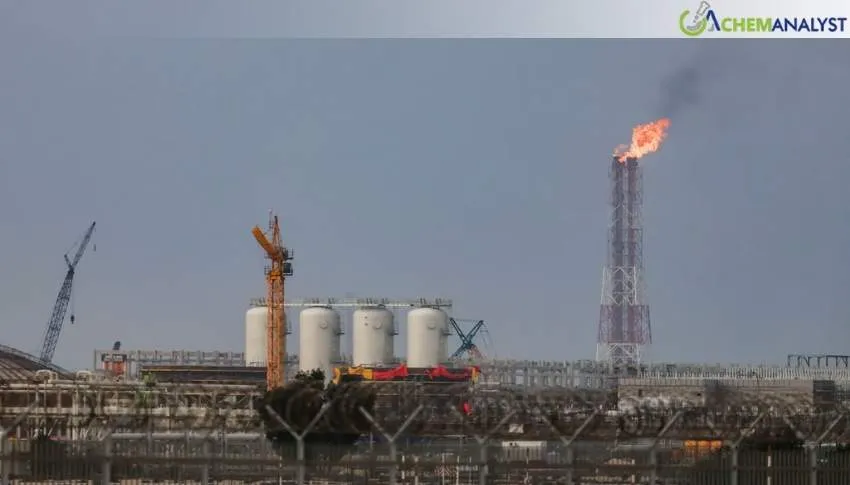
Missile strikes targeting QatarEnergy’s Ras Laffan Industrial City have inflicted substantial damage on one of the world’s most critical energy hubs, intensifying the already volatile Gulf crisis and heightening concerns across global LNG and helium markets. The attack underscores the vulnerability of key energy infrastructure in geopolitically sensitive regions and signals potential disruptions that could ripple through international supply chains.
According to QatarEnergy, the strikes occurred on Wednesday evening, prompting an immediate emergency response. Firefighting and containment teams were quickly mobilized to control the situation and prevent further escalation. Despite the severity of the incident, the company confirmed that all personnel at the site were accounted for and, importantly, no casualties had been reported at the time of the announcement. However, the physical damage to the facility has been described as “extensive,” indicating a significant operational setback.
In the early hours of Thursday, additional missile strikes reportedly hit the Ras Laffan complex again, as per Iranian state media. These subsequent attacks triggered more fires and contributed to what has been described as “significant damage” across the site. While authorities have since managed to bring the fires under control, efforts remain ongoing to cool affected areas and secure the facility to prevent further incidents or structural risks.
Ras Laffan Industrial City plays a central role in Qatar’s liquefied natural gas (LNG) production and export infrastructure. As one of the largest LNG hubs in the world, it is vital not only to Qatar’s economy but also to global energy markets. The facility is also a key center for helium production, as helium is extracted as a byproduct during natural gas processing. Any disruption to operations at Ras Laffan therefore has dual implications, potentially constraining both LNG supplies and global helium availability.
Earlier in the month, QatarEnergy had already suspended LNG production at the site due to escalating regional tensions, effectively halting associated helium output as well. The recent missile strikes further complicate the situation, casting doubt on how quickly operations can be restored and increasing uncertainty in already strained markets.
The attacks are part of a broader escalation in regional hostilities. Reports indicate that Israel has targeted Iran-linked infrastructure at the South Pars gas field, prompting retaliatory missile strikes from Iran on Ras Laffan. Notably, Ras Laffan and South Pars are interconnected components of the world’s largest natural gas field, shared between Qatar and Iran. This interconnectedness highlights the systemic risks facing global energy systems when geopolitical conflicts spill over into shared infrastructure zones.
With confirmed damage now affecting Ras Laffan, industry expectations for recovery timelines may need to be revised. Prior estimates suggested that restarting LNG production could take at least two weeks, followed by an additional two weeks to stabilize output levels. Given the scale of the damage and the potential for continued instability in the region, these timelines may extend further, prolonging supply disruptions and increasing volatility in global energy and industrial gas markets.






Leave a Comment
Comments (0)