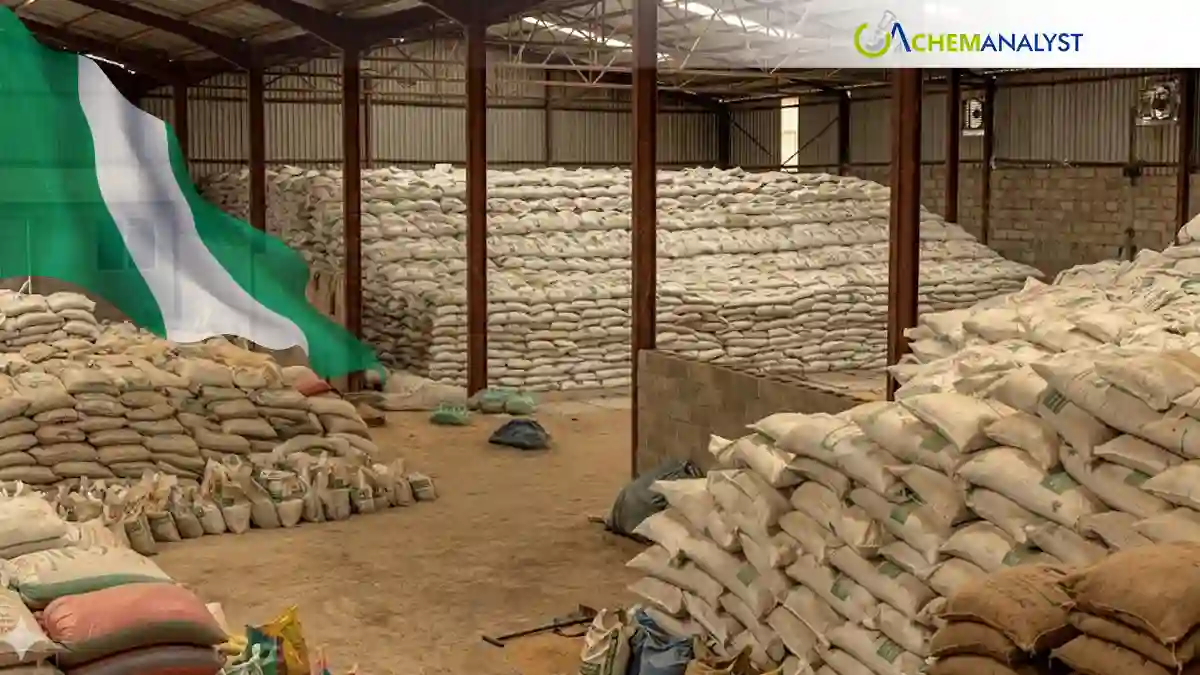
Nigeria has successfully shielded its agricultural sector from the significant disruptions currently plaguing global fertilizer markets, saving an estimated $43.99 million (approximately N61.58 billion) through a pre-emptive procurement strategy for the 2026 wet season. This strategic move, executed by the Ministry of Finance Incorporated (MOFI) through its implementation vehicle, PFI NPK Limited, has ensured an uninterrupted supply of crucial farm inputs and stabilized prices for farmers nationwide.
The global fertilizer market is experiencing severe shocks primarily due to escalating geopolitical tensions in the Middle East, particularly the US-Israeli attack on Iran and the de facto closure of the Strait of Hormuz. This vital maritime corridor, through which an estimated one-third of global seaborne fertilizer trade, 20% of liquefied natural gas (a key fertilizer feedstock), and 27% of globally traded oil typically pass, has seen significant disruptions. These disruptions have led to a sharp increase in freight costs, tightened insurance conditions, and caused considerable delays in the shipment of essential fertilizer inputs such as Granular Ammonium Sulphate (GAS), Diammonium Phosphate (DAP), and Muriate of Potash (MOP). Furthermore, China's recent policies to restrict fertilizer exports to secure its domestic supply have exacerbated the global scarcity and driven up international prices.
Recognizing these impending challenges, the Nigerian government took a deliberate decision to secure its fertilizer supply months ahead of the market volatility. PFI NPK Limited locked in nine vessels carrying a combined 407,304 metric tonnes of raw materials, bringing the total available stock for NPK fertilizer production to 534,219 metric tonnes for the 2026 wet season. All associated Letters of Credit were established or settled, guaranteeing supply continuity. As of mid-April 2026, over 323,109 metric tonnes (equivalent to approximately 6.5 million 50kg bags) had been released to registered blending plants, with more than 198,264 metric tonnes (about 4 million bags) already distributed to farmers, well in advance of the peak planting season.
This proactive approach has yielded significant economic, geopolitical, and industry-specific impacts. Economically, Nigeria's early procurement saved the country a substantial $43.99 million by securing inputs at lower prices compared to the current spot market rates. This strategy also reduces Nigeria's vulnerability to foreign exchange fluctuations and global market uncertainties. Geopolitically, the intervention highlights how strategic national planning can mitigate the adverse effects of international conflicts on domestic food security, demonstrating a robust response to external shocks transmitted through global energy, shipping, and fertilizer markets. For the agricultural industry, ensuring consistent supply and price stability of fertilizers is paramount. Without this intervention, Nigerian farmers would have faced soaring input costs, potentially leading to reduced fertilizer application rates, lower crop yields, and increased food prices, thereby worsening food insecurity for the 35 million Nigerians already facing acute food insecurity. The centralized bulk procurement and distribution model operated by PFI NPK Limited has proven critical in achieving these outcomes, bolstering agricultural productivity and stabilizing the nation's food supply chain.






Leave a Comment
Comments (0)