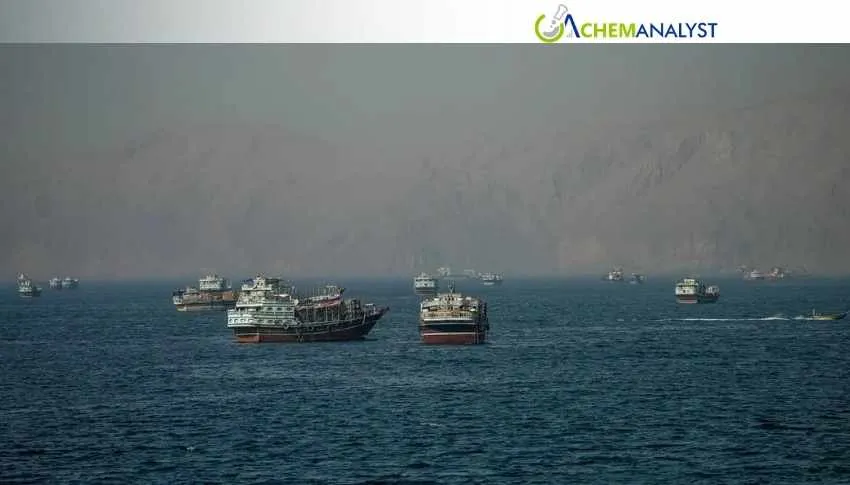
Oman is emerging as a critical strategic trade and energy partner for India, offering a reliable route that bypasses the volatile Strait of Hormuz. This development is underscored by the Comprehensive Economic Partnership Agreement (CEPA) between India and Oman, which officially came into force on June 1st.
The primary catalyst for this enhanced partnership is the escalating geopolitical instability and frequent disruptions within the Strait of Hormuz. This vital maritime chokepoint, through which approximately one-fifth of global daily oil consumption and a quarter of seaborne oil trade passes, has seen severe disruptions due to regional conflicts, including the ongoing Gulf conflict and US-Iran tensions. Such events have led to significant declines in India's trade with other major Gulf economies and a surge in crude oil prices.
Oman's unique geographical advantage is central to its strategic importance. Unlike many other Gulf nations, a substantial portion of Oman's coastline lies outside the Strait of Hormuz, directly on the Arabian Sea and the Gulf of Oman. This ensures that its major ports, such as Salalah and Duqm, remain accessible even when traffic through the Strait is hindered, thereby guaranteeing a consistent trade and energy gateway for India.
Economically, while Oman's relatively modest GDP of approximately USD 110 billion suggests limited overall trade gains for India, the strategic implications are profound. Under the CEPA, Oman has granted immediate zero-duty access on about 98% of its tariff lines, covering roughly 99% of India's exports by value. In fiscal year 2026, India's exports to Oman reached approximately USD 4 billion, primarily comprising refined petroleum products, naphtha, calcined alumina, iron and steel, machinery, and rice. Concurrently, India's imports from Oman surged by 246.4%, rising from USD 430 million to nearly USD 1.5 billion. Notably, Oman has become India's largest supplier of liquefied natural gas (LNG), with imports almost doubling to around USD 1.4 billion in FY2026 and contributing 30-31% of India's total LNG imports in early 2026 amidst Strait of Hormuz disruptions.
From a geopolitical and industry-specific perspective, the agreement is a crucial investment in India's long-term energy and economic security, enabling diversification of its trade and fuel routes. Oman's ports are also being explored as an alternative logistics hub for India's agricultural exports to West Asia, valued at about USD 11.8 billion annually, contributing to food security for Gulf Cooperation Council (GCC) nations. Furthermore, India and Oman are considering ambitious connectivity projects, including a proposed 2,000-km Middle East-India Deepwater Pipeline, which would further bypass the Strait of Hormuz for energy supplies. This bilateral engagement also provides India a competitive edge, as the GCC is simultaneously negotiating trade agreements with other regional powers.








 About ChemAnalyst
Leave a Comment
Comments (0)