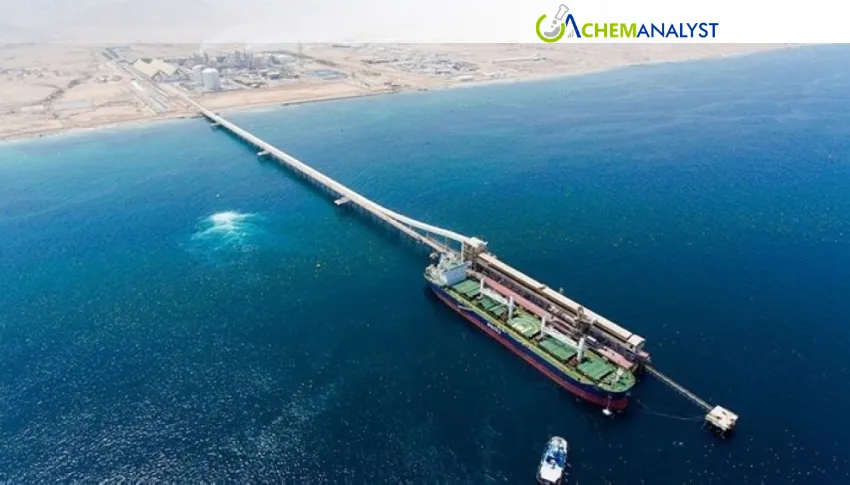
Oman India Fertiliser Company (OMIFCO) is actively exploring various strategies to transition toward low-carbon ammonia production as global demand rises for sustainable fuels and environmentally responsible industrial products. The company’s efforts are part of a wider decarbonisation and clean energy transition strategy designed to reduce greenhouse gas emissions, improve environmental performance, and maintain its competitiveness in international fertiliser markets. Details of these initiatives were highlighted in OMIFCO’s prospectus released in connection with its initial public offering (IPO), outlining a phased approach to implementing cleaner technologies over the medium and long term.
As part of its sustainability roadmap, OMIFCO has completed several technical assessments and preliminary studies aimed at identifying practical solutions for lowering the carbon footprint of its ammonia manufacturing operations. These studies are aligned with Oman’s national climate commitments and broader efforts to promote cleaner energy systems. Key initiatives include the OMIFCO Roadmap on Decarbonisation and Clean Energy, a pre-feasibility study focused on carbon capture, utilisation and storage (CCUS), and the Sur Hydrogen and Energy Transition Cluster study. Although these projects have shown potential opportunities, the company continues to evaluate their economic feasibility, technological readiness, and long-term commercial value before moving into large-scale implementation.
The OMIFCO Roadmap on Decarbonisation and Clean Energy represents a fundamental step in shaping the company’s future sustainability strategy. Conducted by Norway-based AKSO, the study examined a broad range of technologies and solutions that could support OMIFCO’s transition to lower-emission operations. The final report, delivered during the third quarter of 2024, analysed options such as the integration of renewable power sources, adoption of green hydrogen, development of green ammonia production methods, deployment of CCUS technologies, and other innovative low-carbon solutions applicable to existing and future operations.
A major component of OMIFCO’s decarbonisation strategy involves evaluating carbon capture, utilisation, and storage technologies. The CCUS pre-feasibility study, conducted by Italy-based Casale, examined methods for capturing carbon dioxide emissions generated from the flue gas streams of OMIFCO’s ammonia plants. Based on operational and technical assessments, Casale identified a suitable carbon capture technology that could potentially be adopted at the facilities. The company is also studying potential commercial applications for captured carbon dioxide, while a separate feasibility study examining permanent carbon sequestration options has already been completed. However, successful deployment of carbon storage solutions will depend on the availability of dedicated infrastructure capable of transporting captured CO2 to storage locations or industrial users.
Beyond its individual operations, OMIFCO is also participating in broader regional initiatives designed to accelerate the development of a low-carbon industrial ecosystem. The Sur Hydrogen and Energy Transition Cluster study investigates opportunities for collaboration among industries located in the Sur region, including liquefied natural gas (LNG) facilities and other energy-related stakeholders. A pre-feasibility study completed in 2023 identified several potential synergies related to hydrogen production, renewable energy integration, and shared decarbonisation infrastructure. Following these findings, participating organisations signed a memorandum of understanding and agreed on a framework for advancing the project, with a joint tender process for a detailed feasibility assessment expected in the next stage.
In addition to these strategic studies, OMIFCO is assessing practical production pathways for manufacturing low-carbon ammonia. The company is considering the integration of green hydrogen into its existing processes, either by sourcing it from external suppliers or producing it internally. It is also evaluating the use of renewable energy sources, particularly solar and wind power, to operate auxiliary systems and utilities such as pumps, compressors, and other equipment within its plants.
Another potential pathway involves increasing the use of renewable electricity supplied through Oman’s national grid, subject to future improvements in renewable energy capacity and continued decarbonisation of electricity suppliers. Through a gradual and structured implementation strategy, OMIFCO aims to significantly reduce the carbon intensity of its ammonia production while ensuring reliable operations, meeting evolving customer expectations, and strengthening its position in the global fertiliser and low-carbon ammonia markets.






Leave a Comment
Comments (0)