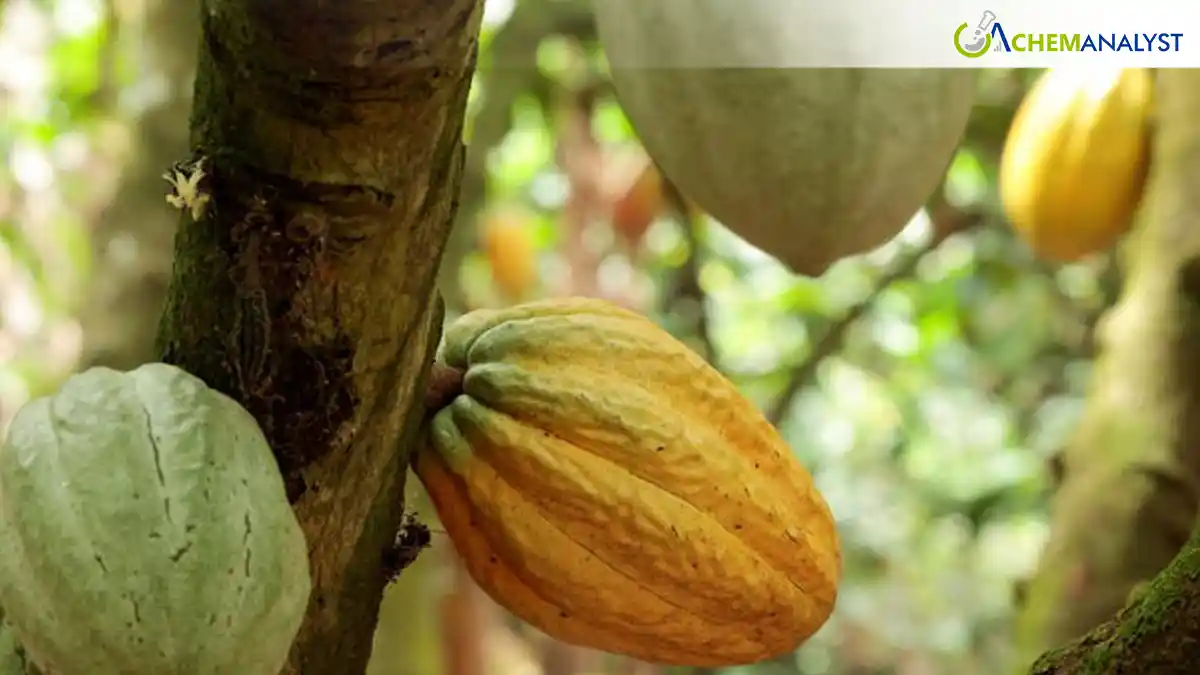
Ivory Coast cocoa farmers are expressing significant concerns over a projected smaller and lower-quality mid-crop harvest for the March-to-August season, primarily due to persistent patchy and below-average rainfall across most of the nation's key growing regions. The world's leading cocoa producer, which typically experiences its rainy season from April to mid-November, has so far seen uneven precipitation, leading to fears of reduced yields and compromised bean quality.
The primary cause of this anticipated shortfall is the insufficient moisture levels in the soil, which are crucial for the development of cocoa pods. Farmers in regions such as Soubre, Agboville, Divo, and Abengourou reported sharply falling soil moisture and increased stress on cocoa trees due to prevailing heat and a lack of consistent rainfall, with some areas receiving significantly less rain than their five-year averages. For instance, Soubre recorded 15.2 mm of rain in one week, 13.4 mm below its average, while Daloa saw 16.4 mm, 5.2 mm below its average. Farmers emphasize that steady rains through late June are essential to secure a strong, good-quality harvest between July and August, with the coming weeks being decisive in preventing limitations on bean size and overall yields.
The consequences of this erratic weather are far-reaching, particularly for the Ivorian economy and the global cocoa industry. Economically, a smaller and lower-quality mid-crop directly translates to reduced incomes for millions of smallholder farmers who depend on cocoa for their livelihoods, impacting their ability to afford necessities like school fees and healthcare. This situation also threatens to exacerbate an already tight global cocoa supply, potentially pushing world prices, which are already elevated, even higher. Such a scenario would further squeeze chocolate manufacturers and consumers worldwide.
Industry-specific impacts highlight the vulnerability of the cocoa supply chain. Ivory Coast alone accounts for approximately 40% of the world's cocoa, meaning any significant shortfall in its production has global repercussions. The current dry spell compounds existing challenges for the 2025-26 season, which has already been marked by weather volatility, disease pressure, and aging trees. There are growing calls for swift irrigation support and the adoption of climate-resilient farming techniques to mitigate future risks. The situation underscores the significant economic and industry-specific vulnerabilities of a commodity-dependent nation in the face of changing climate patterns.







Leave a Comment
Comments (0)