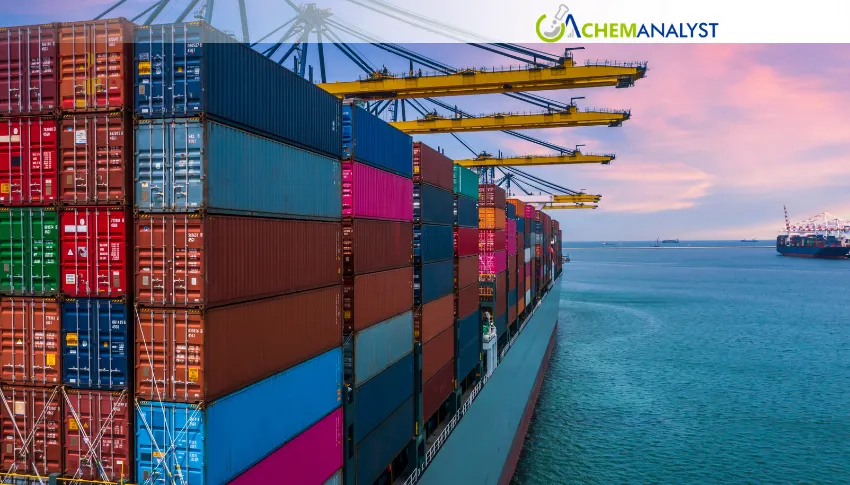
While it seems the time for a political resolution to the Middle East waterways issue is finally at hand, the hard facts of the situation for global logistics remain complicated. As the industry waits for the likely ratification of a peace deal due on June 19, ocean carriers are continuing with their cautious stance, ensuring that high shipping rates and long delays set during early 2026 continue through the third quarter.
Hormuz Reopening on the Horizon
Following months of intense disruptions, there are claims that a peace agreement framework has almost been reached. The leadership of the United States confirmed that the agreement would provide the go-ahead for a "toll-free" resumption of operations in the Strait of Hormuz, with naval blockades lifted immediately. This development may provide cause for optimism; however, returning to business as usual in the strait would not be an easy process. It should be noted that the strait has effectively been closed to shipping traffic since mid-February, with a huge queue of stranded cargo and ships waiting to pass through it.
Ocean Carriers Refuse to Rush Back
Although there have been positive diplomatic advances, the major shipping companies are unwilling to give up the Cape of Good Hope routing at the current juncture. Ships like Maersk, MSC, CMA CGM, and Hapag-Lloyd diverted their routes to avoid passing via Hormuz, and that route still represents the standard routing plan. Some major shipping companies have made their position quite clear; they won't return to normal activity in the region without being absolutely certain about physical safety. The longer routing plan through the Cape, costing an additional 10-14 days and up to $1.8 million in additional fuel charges, will continue to dominate the global shipping schedule.
Rates Rise for the Third Straight Month
The financial burden of this drawn-out period of crisis only continues to increase. Container shipping to the Middle East has gone up for the third straight month now, as the cost per 40-foot container shipped from the major manufacturing centers of Asia to this destination has crossed $4,520. Additionally, the global shortage of capacity in general has led to an increase in rates in the Transpacific route, with the spot rate on this route increasing by more than 10 percent on a month-to-month basis. Finally, the air cargo sector is not spared either, with air freight rates for Q2 2026 touching their highest mark in almost four years.
Short-Term Outlook
Supply chain managers should not interpret the pending peace agreement as an immediate return to normal. With ocean operators taking a highly conservative approach to regional security, the Cape of Good Hope will remain the primary East-West artery. Shippers must continue to budget for embedded war-risk premiums, peak season surcharges, and extended lead times through at least the end of the summer peak season.






Leave a Comment
Comments (0)