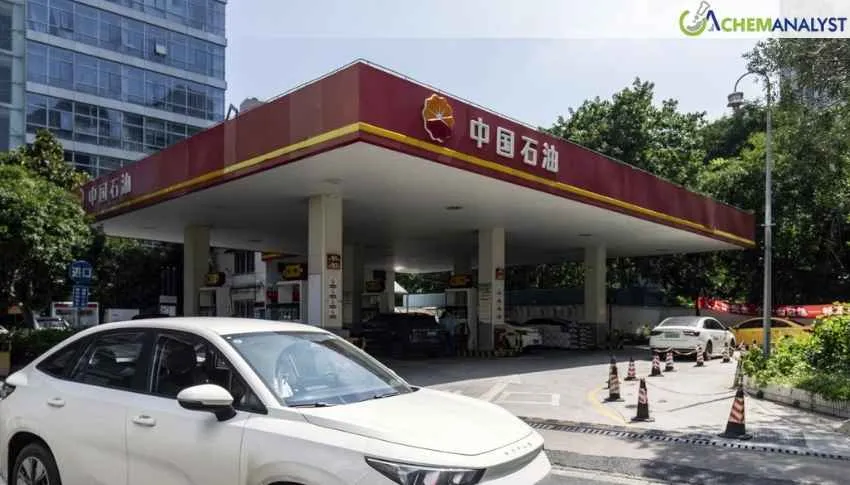
PetroChina, the nation’s largest supplier of natural gas, has decided to maintain stable contract pricing for downstream gas supplies this year, even as geopolitical tensions in the Middle East continue to disrupt global energy markets. The move reflects a strategic effort to protect industrial consumers from sharp increases in fuel costs and to preserve economic stability during a period of heightened uncertainty.
Despite escalating risks linked to the ongoing conflict in the Middle East, PetroChina will retain the same upper price limit that was implemented last year. This decision is not only aimed at cushioning domestic industries from volatile global price swings but also at ensuring the long-term development of China’s natural gas sector. By avoiding sudden price hikes, the company is helping maintain predictable input costs for manufacturers and energy-intensive industries, which remain critical to the country’s economic growth.
China’s ability to maintain pricing stability is largely supported by its relatively strong supply position. The country entered this year with higher-than-average gas inventories, a result of stockpiling during the previous year when demand remained subdued. These reserves are now proving valuable in mitigating the impact of supply disruptions caused by the conflict. Although liquefied natural gas (LNG) imports from Qatar—which typically account for around 6% of China’s gas consumption—have been interrupted due to the hostilities, the overall supply situation remains manageable.
Global LNG markets, however, have experienced notable volatility. Spot LNG prices for May delivery to China have surged significantly, rising by roughly one-third in recent weeks to reach approximately $17.13 per million British thermal units (mmbtu), according to official exchange data. Meanwhile, broader Asian spot LNG prices have climbed even higher, touching around $19.80/mmbtu earlier this week. These increases underscore the ripple effects of geopolitical instability on global energy pricing.
Nevertheless, China has been able to limit the domestic impact of these price surges due to the availability of more affordable alternatives. Increased reliance on domestically produced onshore natural gas, along with coal, has helped offset the need for higher-priced imported LNG. This diversified energy mix has played a crucial role in preventing a sharp escalation in domestic gas prices.
In recent years, China has been gradually advancing reforms to liberalize its natural gas market, allowing suppliers more flexibility to pass on cost increases to end-users. However, authorities have remained cautious in fully deregulating prices, particularly during periods of global volatility. The government’s approach reflects a balancing act between market-driven pricing mechanisms and the need to safeguard economic growth from external shocks.
PetroChina’s decision to keep prices stable highlights a broader policy direction aimed at maintaining energy security while supporting industrial resilience. As global uncertainties persist, such measures are expected to remain central to China’s energy strategy.






Leave a Comment
Comments (0)