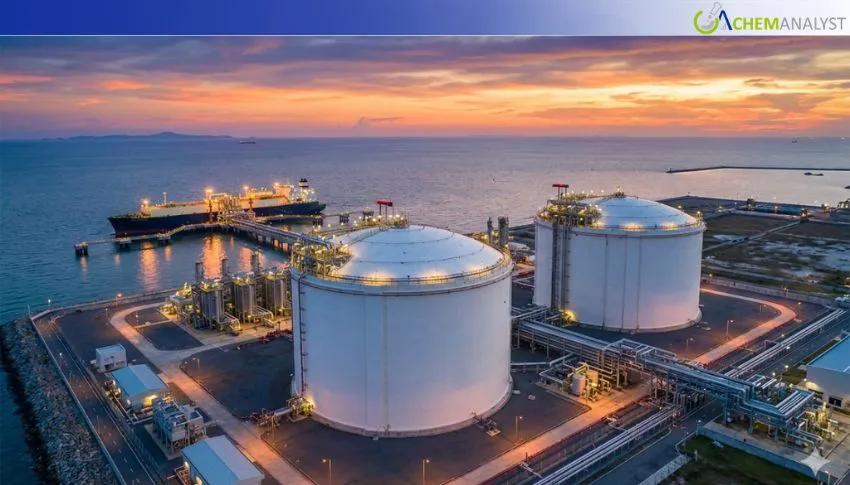
A major event took place when Qatar stopped production at a number of its liquefied natural gas (LNG) plants this week. The closure has impacted some of world’s largest LNG plants, as the country makes up about one fifth of global LNG supply. Qatar Energy also suspended portions of its downstream production and declared force majeure on LNG deliveries on March 4, indicating that it is unable to meet certain contractual delivery commitments due to events beyond its control.
Ras Tanura is the world's largest oil export facility Saudi Arabia suspends operations at Its Ras Tanura Refinery (up to 550,000 b/d). The plant was hit again on March 4, but did not take heavy damage. Saudi officials began to re-route crude shipments from eastern export terminals to Yanbu on the Red Sea in response to security concerns, while assuring supply.
Transit via the Strait of Hormuz, a vital energy artery, has also fallen sharply. The strait is usually around 20% of global oil and LNG shipped worldwide, but tanker traffic is now restricted after Iran allegedly attacked multiple vessels around. On March 2, a high-ranking Iranian Revolutionary Guards commander declared the strait “closed” and vowed to target ships that try to sail through it.
Insurance risks have also soared. Large marine insurers are now cancelling war-risk cover for ships trading in Iranian and Gulf waters, the result being that shipping lines are finding it increasingly difficult and expensive to conduct business in the region.
European natural gas prices exploded by almost 40% on Tuesday after production stopped at Qatar’s biggest liquefied natural gas (LNG) export plant, sparking fears that global gas supplies could be disrupted.
Meanwhile, substitute supplies are unavailable. While the United States can ramp up LNG exports, traders say that additional shipments would not make up the entire gap for a long suspension of Qatari production.
The disruptions are already being felt among energy consumers in Asia. Some Chinese refineries have started shutting crude processing units or advancing maintenance schedules as a result of less crude availability.
India is also bracing for possible supply disruptions, as government officials said it was looking for substitutes for crude oil, LPG and LNG if the crisis extended beyond 10-15 days. Supplies of natural gas have already been cut to some industrial users by 10% to 30% due to interruptions in Qatari LNG production. The authorities are mulling measures to restrict exports of refined products (petrol/diesel) to ensure domestic availability.
Likewise, Indonesia is expected to boost imports of crude oil from the United States to make up for supply loss from the Middle East. But it’s not easy to substitute for shipments from the Middle East. Loads from regions such as Brazil, West Africa, and the U.S. can be substitute, but they take more than a month to arrive in Asian ports and bring substantially higher freight costs.
If the tension continues, this could translate into volatility, supply rebalancing and high energy prices for the global oil and gas markets for an extended period of time.








 About ChemAnalyst
Leave a Comment
Comments (0)