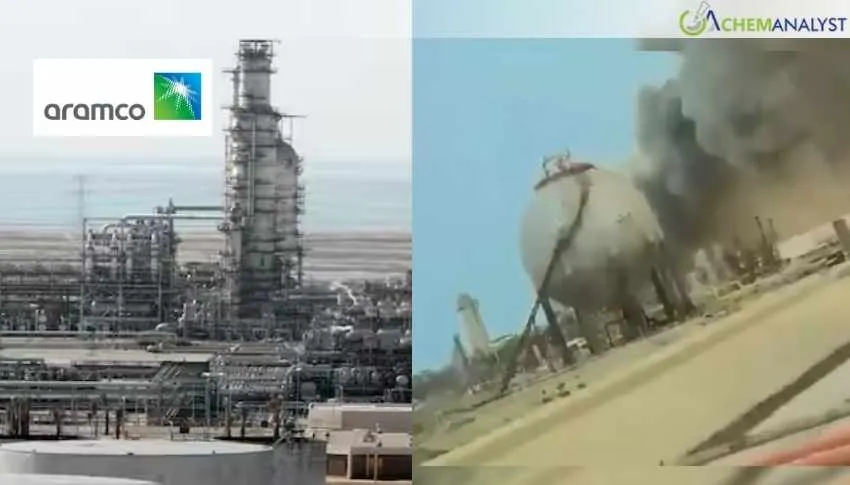
Saudi Arabia’s state-owned energy giant Saudi Aramco has temporarily shut down operations at its key facility, the Ras Tanura refinery, following a drone strike, according to multiple media reports. The development comes amid intensifying geopolitical tensions in the Middle East after retaliatory strikes by Iran in response to military actions involving the United States and Israel. The incident highlights the growing risks to critical oil infrastructure in one of the world’s most strategically important energy-producing regions.
The Ras Tanura complex, situated along Saudi Arabia’s eastern Gulf coastline, is among the largest oil refining and export facilities in the region, with a refining capacity of approximately 550,000 barrels per day. It also functions as a major crude export terminal, making it vital to global oil supply chains. As per media reports, the refinery was shut down as a precautionary measure following the drone attack, and officials have indicated that the situation is currently under control. The temporary closure reflects a broader effort to safeguard infrastructure and personnel amid rising regional instability.
This drone strike is part of a wider wave of coordinated attacks across key Gulf locations. Media reports indicate that cities including Abu Dhabi, Dubai, Doha, Manama, and the commercial hub of Duqm have also been impacted. These strikes have disrupted key shipping and logistics operations across the United Arab Emirates and Oman, creating bottlenecks in maritime trade and raising concerns about supply chain continuity.
The immediate reaction in global energy markets has been significant. According to media reports, benchmark oil prices, particularly Brent crude futures, surged by nearly 10% as traders responded to fears of supply disruptions and further escalation. The price spike reflects the market’s sensitivity to geopolitical developments in the Middle East, where even short-term disruptions can have outsized global effects.
Saudi Arabia’s energy infrastructure has faced similar threats in the past. Media reports recall the September 2019 attacks on the Abqaiq and Khurais facilities, which temporarily disrupted more than half of the kingdom’s oil production and caused major volatility in global markets. That incident served as a stark reminder of the vulnerability of even heavily fortified facilities.
In the current scenario, the precautionary shutdown of Ras Tanura underscores the fragile balance between geopolitical stability and energy security. Media reports suggest that if disruptions persist or escalate further, there could be wider implications for global oil supply, petrochemical markets, freight costs, and downstream industries such as chemicals and pharmaceuticals. Market participants are closely tracking developments as the situation remains fluid and uncertain.








 About ChemAnalyst
Leave a Comment
Comments (0)