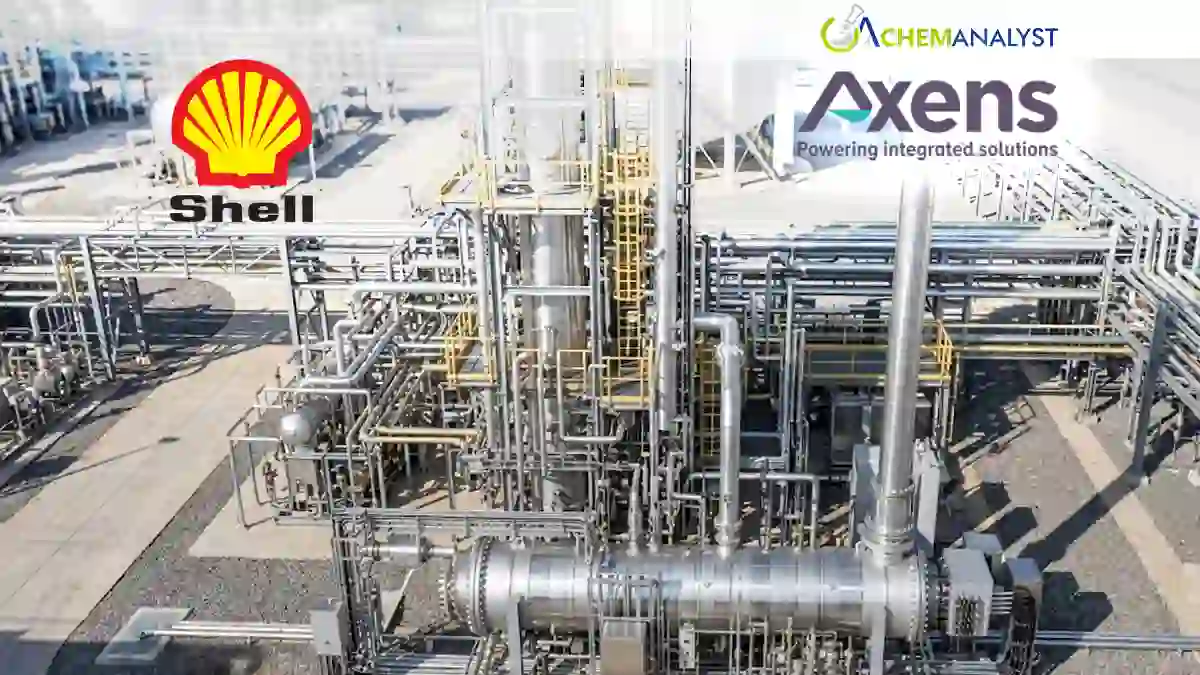
Shell, Schneider Electric and Axens have completed the installation of an industrial-scale Electric Tubular Heater at Shell’s R3 base oil project in Germany, demonstrating how electrification, advanced process technology and integrated site infrastructure can support the decarbonization of energy-intensive refinery operations.
The project is being implemented at the Shell Energy and Chemicals Park Rheinland, where Shell is progressing a broader transformation aimed at repurposing the site and lowering its overall carbon footprint. The newly installed heater represents the first industrial-scale application of this technology in Europe and marks an important step toward replacing conventional fired heating systems with electric alternatives.
Traditional fired heaters rely on the combustion of fuels and consequently generate direct carbon dioxide and nitrogen oxide emissions. In contrast, the new electric heating system is designed to operate without direct CO2 and NOx emissions at the point of use. Its overall carbon benefit will depend on the electricity source, but electrification can significantly reduce the emissions associated with refinery heating when powered by lower-carbon electricity.
The installation resulted from collaboration between Shell, Axens and Schneider Electric, with each company contributing specialized capabilities. Shell provided industrial-site expertise, operational requirements and integration knowledge. Axens contributed process engineering and electric-heating technology, while Schneider Electric supplied the electrical infrastructure, power management and control systems required for industrial operation.
At the center of the project is Axens’ Heurtey Petrochem Solutions Electric Tubular Radiant Heater technology. The system has been developed to provide a lower-carbon alternative to conventional fired heaters while meeting the demanding temperature and operational requirements associated with base oil distillation.
Schneider Electric supported the project with a modular, prefabricated electrical package comprising distribution switchgear, transformers and a power-control system. The package was integrated with Axens’ process-control system and Shell’s existing infrastructure to support safe, dependable and efficient operation.
The combined Power and Process approach enables precise power modulation and responsive heating control. It is also designed to improve operational flexibility while meeting Shell’s requirements for power quality, system design and reliability.
The project provides a practical demonstration of how electrified heating can be introduced into complex industrial environments. As refineries and chemical facilities face increasing pressure to reduce emissions, technologies that replace combustion-based heating with electricity could become increasingly important.
The collaboration between Shell, Axens and Schneider Electric therefore highlights a potential pathway for scaling industrial electrification, particularly in applications where process heat represents a significant source of direct emissions.
Chemical Commodity Price Impact
The project is likely to strengthen demand for electric heating systems, power-control equipment, transformers, switchgear and industrial automation technologies, while supporting the long-term shift toward low-carbon refinery operations. For base oil production, the technology could improve emissions performance without fundamentally changing the distillation process. From a Chemanalyst commodity-price perspective, the immediate impact on base oil prices, crude oil derivatives and specialty chemicals should remain limited because the installation does not directly add significant production capacity. However, wider adoption of electric refinery heating could gradually reduce fuel-gas demand and operating costs, potentially influencing fuel-related chemical and petrochemical markets over the longer term.








 About ChemAnalyst
Leave a Comment
Comments (0)