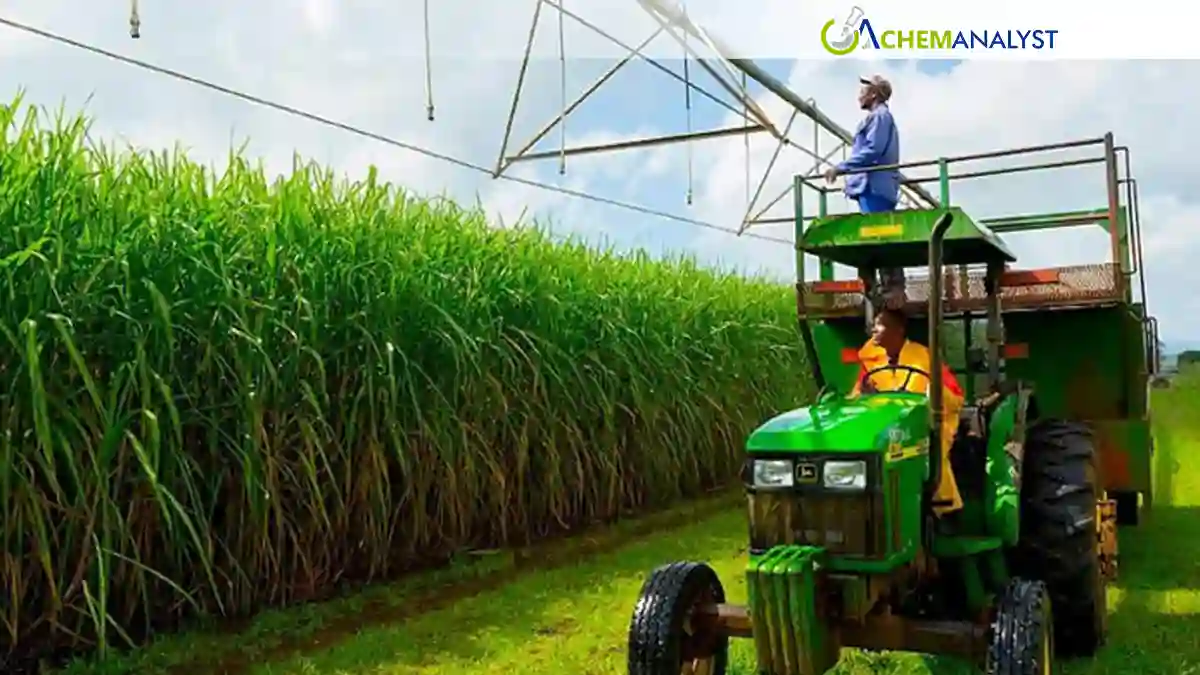
South Africa’s sugar industry is facing mounting pressure after sugar imports surged sharply during the first five months of 2026, threatening the competitiveness of domestic producers and raising concerns over the long-term sustainability of the country's sugar sector. Industry stakeholders are urging the government to take immediate action to strengthen tariff protections and prevent further losses for local growers and processors.
According to the latest figures, sugar imports into South Africa reached 94,984 metric tons between January and May 2026, almost doubling from 55,213 metric tons imported during the same period in 2025. The increase is even more striking when compared with 2022, when imports for the corresponding period totaled just 1,491 metric tons. The rapid rise reflects changing market conditions and growing concerns that the current tariff framework is no longer sufficient to shield the domestic industry from cheaper overseas supplies.
SA Canegrowers, the organization representing the country's sugarcane farmers, has called on Minister of Trade, Industry and Competition Parks Tau to accelerate the implementation of a revised sugar tariff mechanism. The industry argues that updating the tariff system has become essential to restore fair competition and protect local producers from low-priced imported sugar.
The International Trade Administration Commission (ITAC) has been reviewing the adequacy of the current tariff structure following an industry application submitted more than 18 months ago. However, producers believe the review process has taken too long, allowing imported sugar to gain a stronger foothold in the domestic market.
The growing influx of imported sugar has already affected local sales. Data from the South African Sugar Association shows that domestic sugar sales declined to 255,015 metric tons between April and June 2026, representing a reduction of more than 45,000 metric tons compared with the same period last year. Before tariff protections weakened, monthly sales had reached approximately 428,422 metric tons, highlighting the significant erosion in market demand for locally produced sugar over recent seasons.
SA Canegrowers Chairman Higgins Mdluli warned that every ton of imported sugar replacing locally produced supplies directly reduces growers' incomes, weakens sugar mills, and threatens employment and economic stability across rural communities. He described the current situation as a major crisis for the industry.
Most of the imported sugar originates from Brazil, India, and Thailand, where producers benefit from government subsidies and well-established ethanol industries that enable surplus sugar to be exported at highly competitive prices. While these imports offer lower-priced supplies to manufacturers, industry representatives argue that South African consumers have seen little or no reduction in retail sugar prices. Instead, they believe the growing dependence on imported sugar is placing thousands of agricultural jobs, rural livelihoods, and the future of the domestic sugar industry at increasing risk.
Impact on Product and Chemical Commodity Prices
The sharp increase in sugar imports is likely to weaken demand for domestically produced sugar, reducing operating rates at South African sugar mills and putting pressure on local sugar prices. Imported supplies from Brazil, India, and Thailand may continue to keep the domestic sugar market well supplied unless tariff protections are strengthened. For ChemAnalyst-tracked commodities, the immediate price impact is expected to remain limited outside the sugar value chain. However, sustained oversupply could indirectly influence ethanol, molasses, and downstream fermentation-based products by reducing domestic feedstock demand. Overall, sugar prices may remain under pressure, while related bio-based commodity prices are expected to stay largely stable.






Leave a Comment
Comments (0)