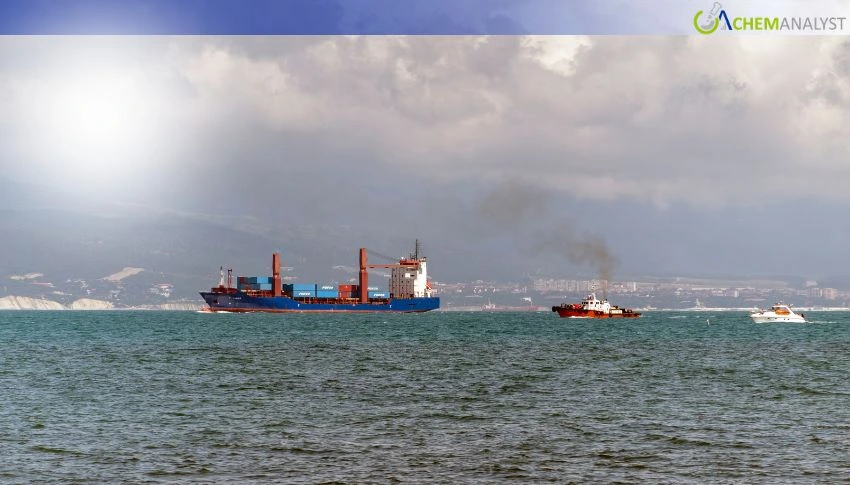
The Strait of Hormuz Effectively Closed
Commercial shipping through the Strait of Hormuz—a vital artery handling roughly 20% of the world's oil and significant container volumes—has ground to a near halt. Dozens of vessels have dropped anchor in surrounding safe waters as leading maritime insurers cancelled war-risk coverage for the Gulf. Major global carriers have instructed vessels in the region to seek safe shelter and immediately suspended all new bookings for the Middle East. Simultaneously, any tentative plans to return east-west services to the Suez Canal have been entirely abandoned. Carriers are now locking [Sg1.1]in broad diversions around the Cape of Good Hope, adding 10 to 14 days to standard transit times.
Ocean Trans-shipment Hubs Face Gridlock
The disruption at sea is quickly cascading onto the shores. There have been instances of temporary halts or severe slowdowns of operations at key regional trans-shipment centres. This has now raised the specter of critical congestion at the ports as the cargo is diverted to new destinations. Terminals in Oman, Sri Lanka, and Malaysia are bracing themselves for an influx of unplanned “drop-offs” of containers as shipping lines desperately try to offload cargo bound for the Middle East and turn their ships around quickly to maintain the integrity of the mainline schedule.
Freight Rate Update
The abrupt restriction of the maritime routes has caused an instantaneous increase in the regional pricing, and the global lanes are awaiting the ripple effect of the displaced capacity. It is important to keep a close eye on the freight rates, especially in this period, as the volatility of the freight rates is increasing rapidly. Here are some of the impacts of the Suez Canal blockage on the freight rates:
• Asia to Middle East: There has been a massive increase in the weekend spot rates, and the freight rate from Shanghai to the key destinations in the Middle East has increased from approximately $1,800 to $3,700 per FEU.
• Gulf Surcharges: There has been an increase in the "war risk" and operational surcharges, which have been implemented by the carriers for approximately $1,500 to $3,800 per container for the cargo moving to and from the region.
• Asia to North America/Europe: The underlying demand has been weak after the Lunar New Year, but the permanent rerouting of the vessels via Africa has taken up 2.5 million TEUs of global capacity, which has prevented the sharp rate declines that had been expected in March.
Short-Term Future Outlook
Looking ahead, the ocean logistics industry is about to enter a period of severe unpredictability, and shippers who rely on Middle Eastern gateways should be prepared for substantial delays, rolled cargo, and skyrocketing insurance rates. Even if the immediate threat of conflict diminishes, the logistics backlog will take weeks to sort out, so supply chain managers should be reviewing their exposure immediately and building in buffer stock where possible.








 About ChemAnalyst
Leave a Comment
Comments (0)