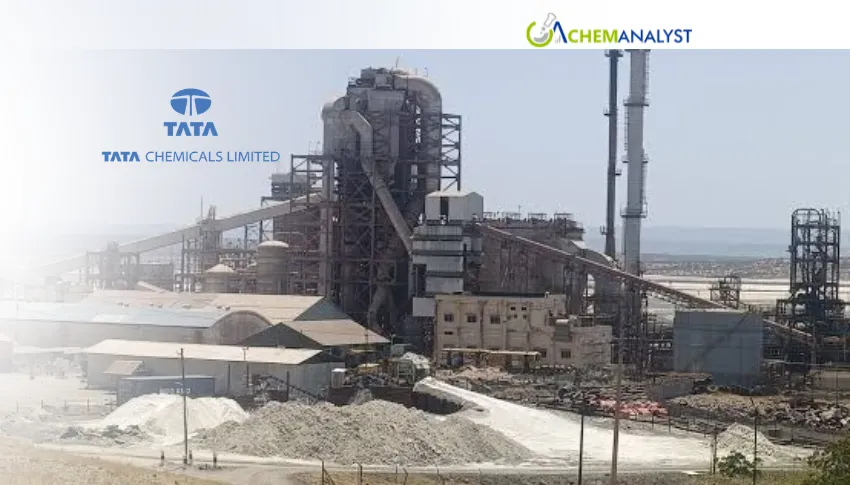
Kenya’s dispute with Tata Group over its long-standing soda ash mining operations at Lake Magadi has intensified, highlighting growing tensions between governments, local communities and multinational investors over the development of natural resources.
Kenyan President William Ruto has withdrawn Tata Group’s century-old concession to mine soda ash in the Lake Magadi region, arguing that the company has not done enough to establish local processing facilities. The government wants Kenya to capture greater economic value from its mineral resources by processing soda ash domestically rather than exporting the raw material or processed product for use elsewhere.
Lake Magadi, located in Kajiado County near the Tanzanian border, is one of Africa’s largest sources of trona, a mineral used to produce soda ash. Tata Chemicals Magadi has operated in the area for decades and is the country’s only domestic soda ash producer. The company exported approximately $57 million worth of soda ash last year, while Kenya accounts for around 1% of global natural soda ash production.
The Kenyan government argues that exporting soda ash limits opportunities for domestic industrial development. Officials believe local processing could create additional employment and attract investment in industries such as glass manufacturing, cleaning products and electric-vehicle battery materials. Industrialization Principal Secretary Juma Mukhwana said strategic raw materials should be assessed for their potential to support domestic value addition before being exported.
However, Tata’s operations have also provided significant social infrastructure to surrounding communities. The company supports four schools, operates a hospital and provides fresh water to Magadi town. Its privately operated railway also supports cattle-watering points along its 145-kilometer route and offers relatively low-cost passenger transportation to local residents.
Some community representatives therefore want Tata to continue operating while addressing local grievances. Rose Saroni, a community mobilizer, warned that Tata’s departure could affect access to clean water. Other local leaders, however, support the government’s position and argue that residents deserve greater benefits, including royalties.
The dispute also includes a separate financial disagreement. Kajiado County has reportedly demanded 12.2 billion Kenyan shillings, or about $94 million, in historical land rates from Tata. The matter is currently before Kenya’s Supreme Court.
Kenya ordered Tata to suspend operations in July, citing concerns over royalty payments and regulatory compliance. Tata has responded that it has submitted comprehensive information regarding its compliance and is awaiting further direction from the mining ministry.
The conflict could significantly influence Kenya’s future mineral-development policy and determine whether the country moves toward greater domestic value addition in its strategic chemical industries.
Impact on Soda Ash and Related Products
The immediate impact is likely to be bullish for soda ash prices if Tata’s Lake Magadi operations remain disrupted, particularly in African and regional markets where Kenya is an important natural soda ash supplier. Reduced Kenyan exports could tighten global availability and support firmer soda ash prices, especially if the suspension extends for several months. However, the global impact should remain moderate because Kenya contributes only about 1% of worldwide production. Higher soda ash prices could increase costs for glass, detergents, chemicals and water-treatment applications. If Tata resolves the dispute and resumes normal production, the price impact would likely fade. Longer term, domestic processing requirements could increase investment in Kenya’s downstream glass and chemical industries, potentially strengthening regional soda ash demand.








 About ChemAnalyst
Leave a Comment
Comments (0)