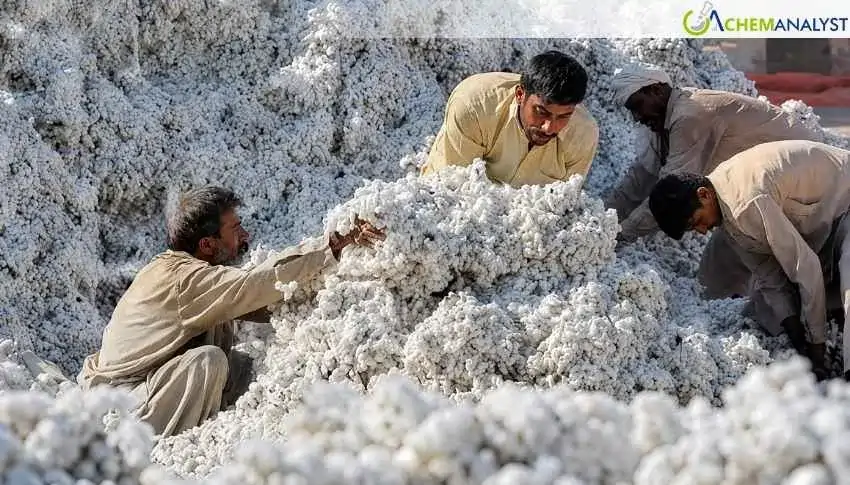
Pakistan's textile industry is facing an unprecedented crisis as national cotton inventories have plummeted to an all-time low of below 10,000 bales, threatening widespread shutdowns of textile mills across the country. This critical shortage, occurring just ahead of the new ginning season, has intensified pressure on manufacturers already grappling with high production costs and disrupted supply chains.
Several factors contribute to this dire situation. A significant immediate cause was the temporary closure of the Pakistan-Afghanistan border, which blocked the entry of approximately 500,000 cotton bales from Afghanistan. Furthermore, ongoing geopolitical conflicts involving the United States, Israel, and Iran have disrupted regional trade routes, further tightening cotton import supplies for domestic mills.
Beyond these immediate disruptions, the crisis is rooted in a years-long decline in domestic cotton production. This decline is attributed to a combination of climate shocks, pest attacks, shifting crop economics, and reduced profitability for farmers, leading many to abandon cotton cultivation in favor of more lucrative alternatives like sugarcane. The All Pakistan Textile Mills Association (APTMA) has also highlighted that the existing tax structure makes domestic cotton unviable, pushing mills to increasingly rely on cheaper imported alternatives. In February 2026, APTMA warned about loopholes in the Export Facilitation Scheme that allowed misdeclaration of imported cotton fabric, disadvantaging local producers who face an 18 percent sales tax on identical locally produced fabric.
The consequences of this cotton scarcity are severe and far-reaching. Economically, cotton prices have surged dramatically, with market rates climbing to around Rs. 22,000 per maund and deferred payment deals reaching up to Rs. 23,500 per maund. The industry, which constitutes 46% of Pakistan's manufacturing sector and employs about 40% of its labor force, is a cornerstone of the country's economy, contributing approximately 60% of export earnings. A potential shutdown or partial suspension of operations in textile mills could lead to massive unemployment, with past warnings estimating over 10 million job losses and a reduction of over 10 billion in annual export revenue. The increased dependence on cotton imports also threatens to deplete Pakistan's already strained foreign exchange reserves and exacerbate its balance-of-payments issues, especially as the country remains under a 7 billion IMF stabilization program. In December 2024, the International Cotton Association (ICA) placed 84 Pakistani textile mills on its defaulters' list for failing to honor cotton purchase agreements, banning them from international trade.
Industry stakeholders, including the Cotton Ginners Forum Chairman Ihsan ul Haq, have urged the government to implement emergency measures to boost domestic cotton production and reduce import reliance. The APTMA has called for the swift implementation of a government-approved cotton revival plan, sanctioned in October 2025, which includes restructuring the Pakistan Central Cotton Committee into a Pakistan Cotton Advisory Council, introducing industry-led governance, and allocating 70% of collected cotton cess funds to research and development. Delays in executing these reforms before the new sowing season risk deepening the country's dependence on imported cotton and further pressuring its external financing position.







Leave a Comment
Comments (0)