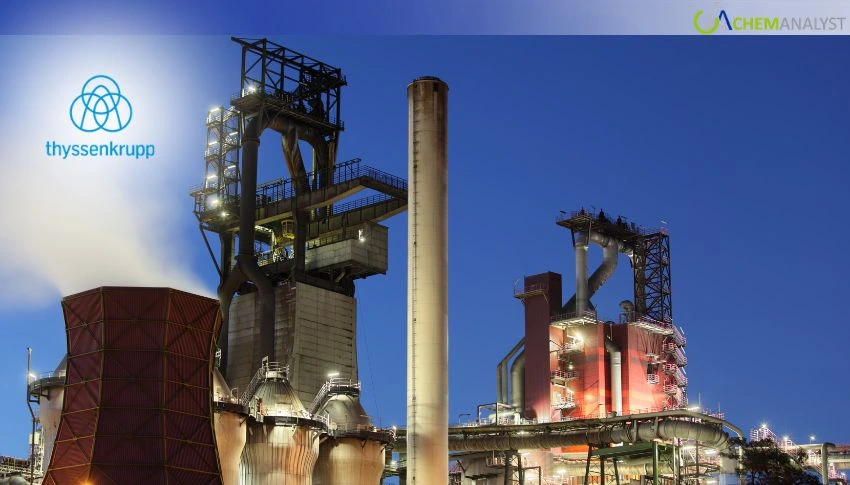
thyssenkrupp Uhde has been awarded a contract by Nova Sustainable Fuels (NSF), a Halifax-based company, to conduct an integration and optimization study for a proposed biomass-to-methanol production project in Nova Scotia. The study will evaluate how Uhde’s integrated process—covering both gasification and methanol synthesis technologies—can be applied to produce more than 450,000 metric tons of methanol annually using sustainably sourced woody biomass as the primary feedstock.
The planned project will utilize Uhde’s established PRENFLO gasification technology together with its advanced methanol synthesis system. By supplying both core technologies, thyssenkrupp Uhde aims to demonstrate the advantages of a fully integrated process configuration. The study will assess how combining these technologies can improve overall system efficiency, streamline operations, and enhance the project’s financial viability. NSF intends to use the findings to validate expected performance benefits and strengthen the project’s bankability as it moves toward financing and development.
The biomass-to-methanol initiative forms part of NSF’s broader strategy to produce low-carbon fuels that can help decarbonize global transportation sectors. Specifically, the company plans to manufacture renewable methanol and sustainable aviation fuel (SAF). These fuels will be generated through a comprehensive clean-energy system that integrates more than 1 gigawatt of renewable electricity from the company’s planned solar and wind power facilities, locally sourced sustainable biomass, and water resources.
Renewable methanol is increasingly viewed as a key component in the transition toward cleaner energy. It can play an important role in reducing emissions from the maritime sector while also serving as a versatile low-carbon chemical building block. In addition to its use as a marine fuel, methanol can be further processed into sustainable aviation fuel and other environmentally friendly chemicals. Through this project, NSF aims to support the shift toward cleaner fuels while strengthening Canada’s emerging sustainable energy supply chains.
According to current plans, construction of the project is expected to begin in 2028 once all regulatory approvals and permits are secured. The facility is scheduled to start operations in 2031. The project already reached a significant milestone in December 2025 when it obtained its first environmental assessment approval, marking an important step toward full development.
Nadja Håkansson, Member of the Executive Board and Chief Operating Officer of thyssenkrupp Decarbon Technologies and CEO of thyssenkrupp Uhde, highlighted the importance of the collaboration. She noted that reducing carbon emissions in the chemicals and fuels industries represents one of the most pressing challenges facing the global energy transition. Håkansson emphasized that sustainable methanol will play a crucial role in building a cleaner industrial ecosystem and said the partnership with Nova Sustainable Fuels represents a meaningful contribution toward achieving a low-carbon future.
Meanwhile, Andrew Parsons, Project Director for Nova Sustainable Fuels, expressed enthusiasm about working with thyssenkrupp Uhde. He said the company’s extensive experience and proven ability to execute complex industrial projects significantly strengthen NSF’s initiative and reinforce confidence in its long-term success. Parsons described the collaboration as an important step forward that demonstrates the growing momentum behind the project.
thyssenkrupp Uhde brings decades of expertise in reforming technologies, gasification systems, and the integration of green hydrogen solutions. Its PRENFLO PDQ gasification technology is widely recognized for its efficiency and operational flexibility, allowing a wide variety of feedstocks to be converted into synthesis gas that can be used for downstream chemical production.
As part of the broader sustainability strategy of thyssenkrupp, Uhde continues to develop and deploy technologies aimed at enabling low-carbon chemical production, including green methanol and ammonia. By offering advanced technologies along with full project execution capabilities, the company supports clients worldwide in developing resilient, sustainable value chains—from the earliest project concept through to the completion of fully operational production plants.








 About ChemAnalyst
Leave a Comment
Comments (0)