Far East Asia - Europe Ocean Freight Update: August 5 – August 11, 2026
From August 5 through August 11, 2026, Far East Asia to Europe seaway route was subjected to several logistical shocks that built upon each other. Despite the stabilization of ocean shipping costs during a very turbulent early summer, the severe weather conditions in key port of departure locations have practically ensured schedule unreliability throughout the rest of the month.
During the second week of August, severe weather overtook the operational narrative in East Asia. As Typhoon Dolphin rapidly approached the Chinese coast, maritime authorities initiated sweeping, phased port closures starting on August 7 and stretching through the weekend of August 8.
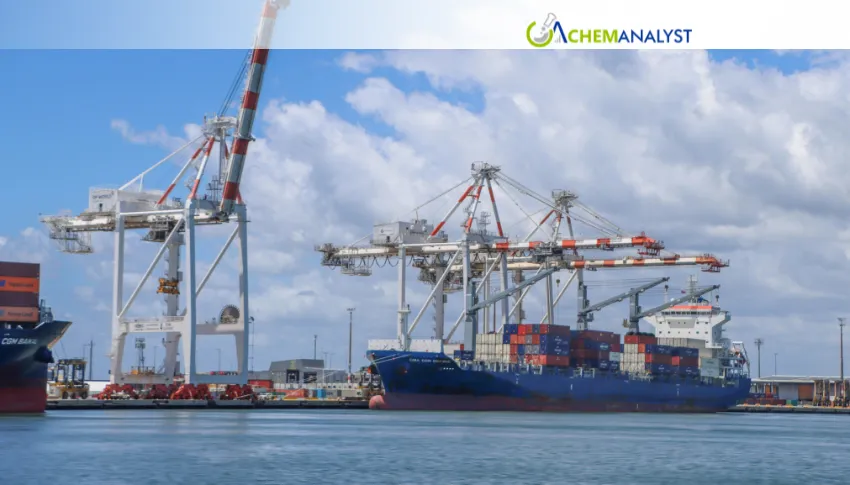
The major points of entry in the European trade corridor route, such as the vast network of the Shanghai and Ningbo-Zhoushan terminals, ceased their loaded and empty containers’ gate movements completely. In fact, even before the typhoon arrived, the yard congestion at ports such as Meishan Terminal had reached almost 90%, with waiting time at berths reaching as much as eight days in some of the Shanghai ports. The compulsory evacuation of vessels to safety zones effectively stopped exports within this period.
Despite the acute port disruptions, ocean freight rates showed signs of stabilization. Broad container freight indices traded flat near 3,276 points by August 11. While the anxious peak-season spot rate surges have plateaued—with some Far East to Northern Europe rates slipping marginally by roughly 1% in early August—total shipping expenses remain historically elevated.
The absence of any effective relief on rates is grounded by the continuing geopolitical tension in the Middle East region. The fact that big companies such as MSC, Maersk, and CMA CGM adhere to the Cape of Good Hope diversion ensures that 10 to 14 extra days of transhipment take away about 1.5 million TEUs of the existing world-wide cargo capacity without allowing for any margin of error in case of inclement weather.
This disruption from China’s ports is set to cause a serious "bullwhip effect" for Europe. The temporary suspension of loading activities in Asia implies that when the activities start, there will be a rush of many mega-vessels leaving at once. It is therefore inevitable that port cities such as Rotterdam, Antwerp and Hamburg, which have faced yard capacity constraints since early August, will see a surge of vessels all at once in the coming weeks.
The short-term outlook for the Far East to Europe route is marked by a very poor schedule performance. As the Chinese terminals deal with the massive backlog from the Typhoon Dolphin during the mid-month period of August, shippers can expect immediate cargo rollover, truck appointment cancellations, and highly uncoordinated empty container management at the ports of origin. Although the base freight rate will be somewhat steady owing to weak demand in late summer, schedule performance will deteriorate. European buyers will need to book their capacity three to four weeks ahead and incorporate buffers into their operations to survive the impending congestion at the destination ports.







Leave a Comment
Comments (0)