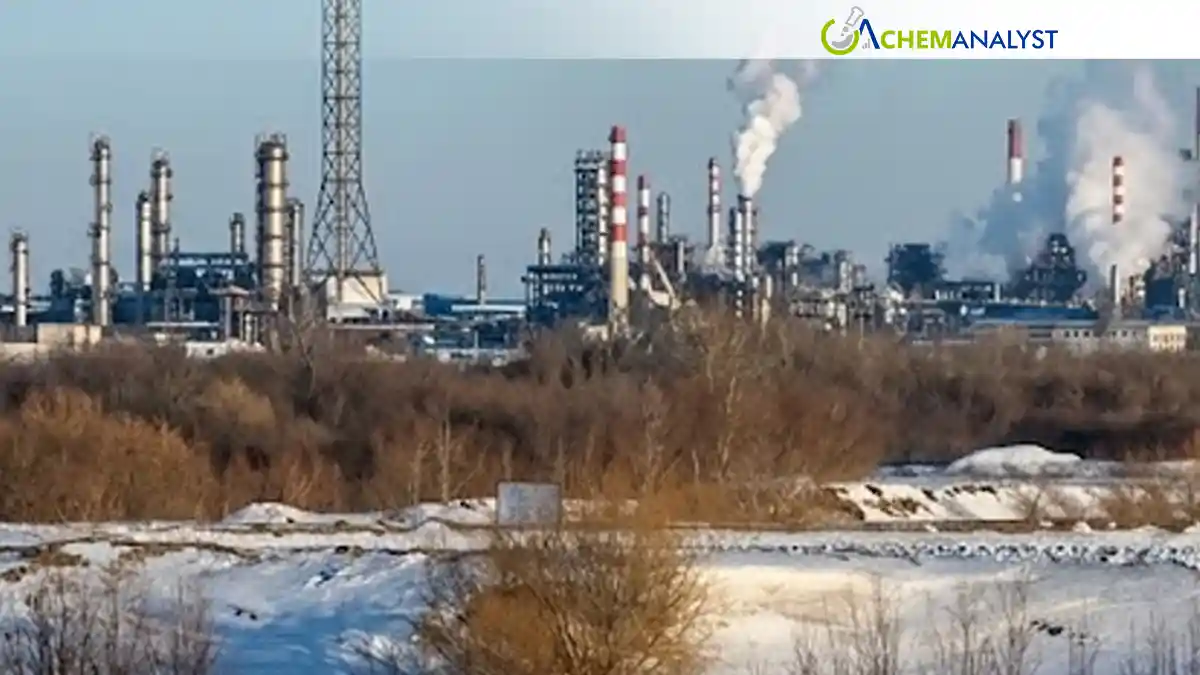
Russia's Tyumen oil refinery, located in western Siberia, suspended oil processing operations on July 25 after being struck by a Ukrainian drone, according to multiple media reports. The incident marks another setback for Russia's refining sector, which has been increasingly targeted as part of Ukraine's strategy to weaken the country's energy infrastructure and military logistics.
Regional Russian authorities confirmed that the drone strike triggered a fire at the refinery, situated more than 2,000 kilometers from the Ukrainian border. Reports indicate that the blaze affected two critical processing facilities within the complex—a diesel hydrotreater and a high-octane gasoline production unit. These units are essential for upgrading diesel fuel quality and manufacturing premium gasoline, making the disruption particularly significant for refined fuel production.
Officials have not disclosed the extent of the damage or provided a timeline for restarting operations. The uncertainty surrounding the refinery's recovery has intensified concerns over Russia's domestic fuel supply, which has already been under pressure due to repeated attacks on refining infrastructure since May. Those earlier incidents contributed to tightening fuel availability and raised concerns about maintaining adequate supplies for both domestic consumption and exports.
The Tyumen refinery has a nameplate processing capacity of approximately 9 million metric tons of crude oil annually, equivalent to nearly 180,000 barrels per day. However, industry estimates suggest the facility typically processes around 6 million metric tons of crude each year. Its output includes roughly 0.5 million metric tons of gasoline and about 2.8 million metric tons of diesel, making it a strategically important supplier within Russia's fuel distribution network.
The temporary shutdown is expected to place additional strain on the country's fuel market, particularly for diesel, which plays a crucial role in transportation, agriculture, mining, and industrial operations. Any prolonged outage could compel Russian authorities to adjust fuel distribution priorities or impose additional export restrictions to stabilize domestic inventories.
The attack also underscores the growing vulnerability of energy infrastructure located deep within Russian territory. As Ukraine continues targeting refineries to reduce Russia's refining capacity and disrupt fuel logistics, the cumulative impact on the nation's petroleum sector may become more pronounced. Market participants will closely monitor repair progress at the Tyumen refinery, as the duration of the shutdown will determine the severity of supply disruptions and their broader implications for regional fuel markets.
Impact on Chemical Commodity Prices Tracked by ChemAnalyst
The refinery outage is expected to have a moderately bullish impact on petroleum-derived chemical commodities tracked by ChemAnalyst. Tighter diesel and gasoline supplies may increase refining margins and strengthen demand for alternative fuel supplies, supporting prices of diesel, gasoline blending components, and related petroleum fractions. If refinery downtime persists, feedstock availability for downstream petrochemicals such as naphtha may tighten, potentially lifting prices of aromatics and olefins in regional markets. However, the global impact is likely to remain limited unless multiple Russian refineries experience simultaneous disruptions. Overall, the event creates short-term upward price pressure on energy-linked chemical commodities while increasing market volatility.






Leave a Comment
Comments (0)