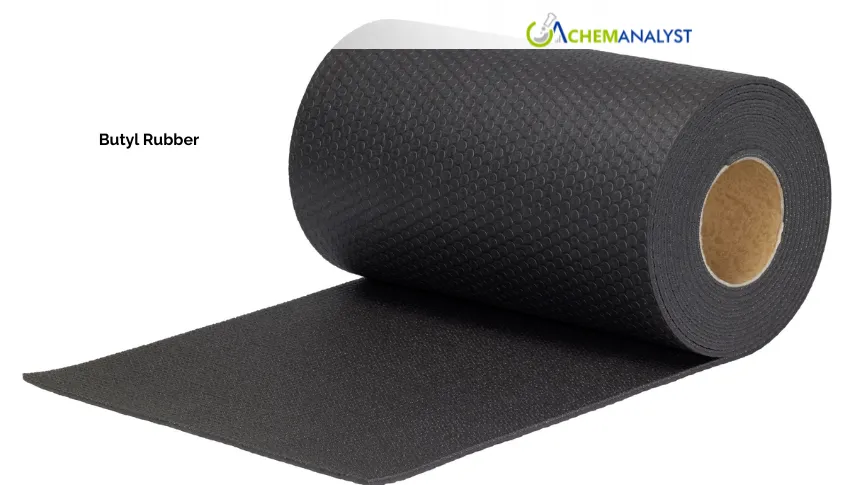
The US butyl rubber market is expected to remain under downward pressure during July 2026, extending the decline observed in June as comfortable domestic supply and cautious buying from tire manufacturers continue to weigh on market sentiment. According to ChemAnalyst, butyl rubber prices are anticipated to decline further during July as buyers limit purchases to immediate requirements while producers compete for available demand. Although certain downstream industries continue to purchase steadily, overall market fundamentals remain weak, preventing any meaningful recovery in butyl rubber prices.
During June, the butyl rubber market softened as domestic availability remained ample and demand from the automotive sector weakened. Gulf Coast production facilities operated without major disruptions throughout the month, while logistics remained smooth and import arrivals continued as scheduled. This ensured sufficient availability of butyl rubber across the domestic market. Meanwhile, distributors focused on clearing inventories accumulated earlier in the quarter, prompting suppliers to offer competitive pricing to stimulate sales. Buyers, however, maintained adequate inventories and showed little urgency to secure additional butyl rubber volumes.
Demand for butyl rubber remained mixed across downstream industries during June. The tire manufacturing sector continued to be the weakest segment, as lower vehicle production reduced consumption of butyl rubber used in tire inner liners and sealing applications. Although automotive production showed signs of stabilization heading into July, manufacturers remained cautious about increasing raw material procurement due to sufficient inventory levels. Demand from pharmaceutical applications, where chlorobutyl rubber is widely used for medical stoppers, remained stable, while construction sealant producers maintained routine purchases. However, these sectors were not large enough to offset weaker demand from tire manufacturers, leaving overall butyl rubber consumption subdued.
On the supply side, producers continued to benefit from lower feedstock costs. Prices for isobutylene and other C4 feedstocks remained relatively soft during June, reducing manufacturing costs for butyl rubber producers. Stable refinery operations and uninterrupted production across Gulf Coast facilities further ensured abundant product availability. With even production rates, suppliers faced limited pressure to defend higher pricing and instead remained focused on maintaining sales volumes through competitive offers.
Looking ahead, the butyl rubber market is expected to remain weak during July despite signs of resilient US vehicle sales. According to recent industry forecasts, July automobile sales are expected to improve modestly compared with June, supported by pent-up consumer demand and favorable financial market conditions. Similarly, the US Tire Manufacturers Association continues to project higher overall tire shipments during 2026. However, these improvements are unlikely to immediately translate into stronger butyl rubber procurement, as tire manufacturers continue operating with comfortable inventories accumulated earlier in the year. Buyers are therefore expected to maintain cautious purchasing strategies while monitoring future production schedules.
ChemAnalyst expects butyl rubber prices to remain under pressure throughout July as balanced supply, sufficient inventories, easing feedstock costs, and restrained procurement continue to outweigh the gradual improvement in downstream automotive activity. While stronger vehicle production and tire demand could eventually support market recovery later in the year, current market conditions are expected to keep butyl rubber prices on a downward trajectory during the early third quarter.








 About ChemAnalyst
Leave a Comment
Comments (0)