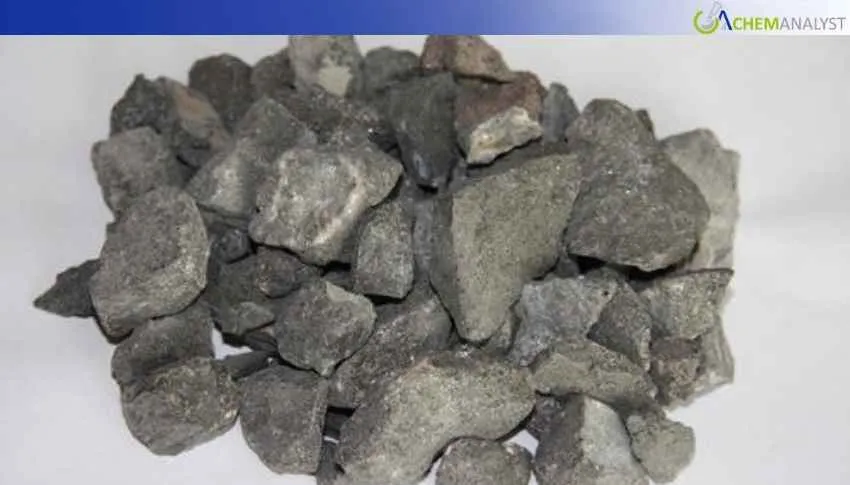
In January, trading activity was largely range-bound during the early weeks as downstream demand softened after year-end restarts. By mid- to late January, weaker offtake and rebuilding inventories pressured sentiment, leading to the monthly decline. However, calcium carbide market avoided sharp corrections as baseline industrial consumption continued.
The steel sector remained the primary demand pillar for calcium carbide, particularly in desulfurization applications. According to market reports, U.S. raw steel production for the week ending February 7, 2026, reached 1.783 million net tons, with a capacity utilization rate of 77.1%. This marked a 1.4% increase from the previous week, and a 4.9% rise compared to the same week in 2025.
Year-to-date production through February 7 totaled 9.557 million net tons, up 3.7% from 9.218 million net tons during the same period last year. Capacity utilization averaged 76.2%, slightly below last year’s 76.3%. This steady steel output supported consistent calcium carbide consumption in metallurgical operations.
In contrast, calcium carbide demand from the construction-linked PVC sector remained weak. Builder confidence in the single-family housing market stood at 37 in January, reflecting affordability pressures and slower housing activity. Approximately 40% of builders reported cutting prices, limiting demand growth for PVC and related calcium carbide applications.
Industrial fabrication demand was also soft, with buyers maintaining hand-to-mouth purchasing strategies. Welding and metalworking sectors continued to see reduced reliance on traditional oxy-acetylene processes such as laser and plasma cutting technologies gained share, gradually lowering calcium carbide consumption.
On the supply side, domestic calcium carbide production remained stable. Major submerged-arc furnace facilities operated without disruption, and logistics across the Midwest and Gulf Coast functioned smoothly. Inventory coverage at key distribution hubs averaged two to three months, indicating comfortable stock positions.
With no significant feedstock disruptions reported, producers maintained steady throughput. Sellers largely resisted deeper discounts, supported by stable steel-related demand and manageable inventory levels.
Weekly pricing patterns reflected a brief dip in mid-January of just over 2%, followed by stabilization into February. The absence of supply tightness or strong seasonal demand kept the market in equilibrium.
As per the ChemAnalyst data, the near-term outlook remains mixed. Continued cold weather and cautious construction activity may limit calcium carbide demand growth, while stable steel production offers support. A potential spring construction ramp in March–April could tighten market balances and provide modest upward momentum, depending on procurement trends and feedstock cost developments.








 About ChemAnalyst
Leave a Comment
Comments (0)