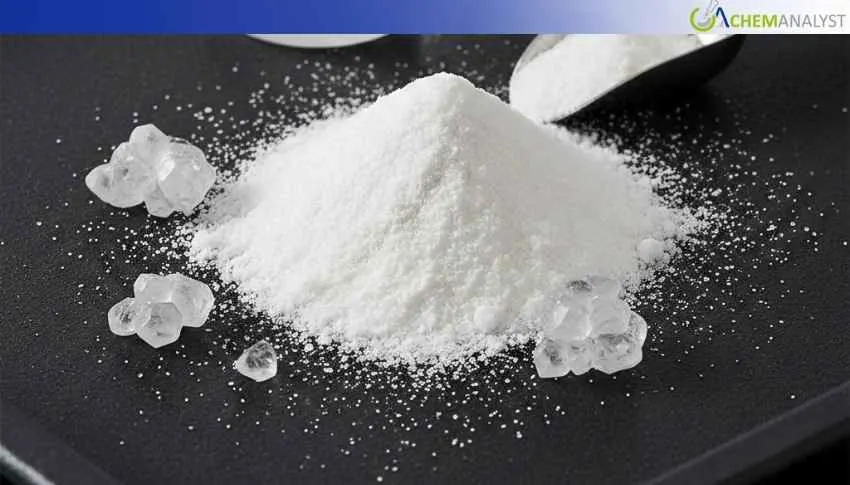
The United States calcium nitrate market continued to experience strong demand and increasing prices by 1.72% during the month of November, as evidenced by recent trends in imported nitrogen specialties. While the overall calcium nitrate price increase was relatively small, much of the month was characterized by continued upward movement due to both increased freight surcharges on ocean shipments as well as increases in upstream production costs. In addition, calcium nitrate market participants report that demand across multiple, albeit small, niche markets have supported steady rather than excessive growth during this time frame.
Two forces continue to drive the calcium nitrate marketplace. First, freight costs for north-bound shipments from the primary exporting regions, such as Norway and China, have continued to increase. Steamship companies extended their surcharges due to the ongoing challenges associated with congestion and draught restrictions at the Panama Canal, which had resulted in longer transit times and decreased vessel availability, thus increasing the delivered costs to importers located on the Gulf and East Coasts.
In addition to these strong underlying fundamentals, the calcium nitrate markets for raw materials used to make calcium nitrate continued to rise in price. Ammonia and nitric acid, which are the primary feedstocks used in calcium nitrate production, experienced significant upward movement as a result of increasing prices for natural gas. This trend was mirrored by companies that import the raw materials from foreign markets and is reflected in the increasing price of calcium nitrate in the US.
The construction sector has also provided some additional support for the demand for calcium nitrate. The use of solution-grade calcium nitrate as a set accelerator for cold-weather work on federally funded infrastructure projects continues to drive sales of this product. Construction companies report consistent numbers of tons sold for bridge and highway jobs that are directly related to ongoing Infrastructure Investment and Jobs Act spending. This portion of the calcium nitrate market has become a stable seasonal component and offsets the traditional post-harvest slowdown in the Midwestern U.S. row-crop markets.
With new wastewater treatment facilities being built, they have provided an additional layer of stability in the marketplace. The routine use of calcium nitrate by these wastewater treatment facilities for odour-control dosing kept a predictable base offtake; therefore, insulating the marketplace from some of the larger fluctuations that might occur due to agricultural seasonality.
The United States is still structurally short on supply during the month, and most of the calcium nitrate consumption was met with imports. Most of the shipping materials are made of Norwegian prilled and Canadian solution-grade product, with extended voyage times being reported as shippers took routes around canal delays. Container rates entering Houston and New York have risen sharply compared to October; these rises have resulted in a firmer delivered-cost environment.
As of December, the overall calcium nitrate market is at its healthiest fundamentals: solid, stable demand, steady supply, and potential for continued cost pressure, which may alter import patterns early in the winter.







Leave a Comment
Comments (0)