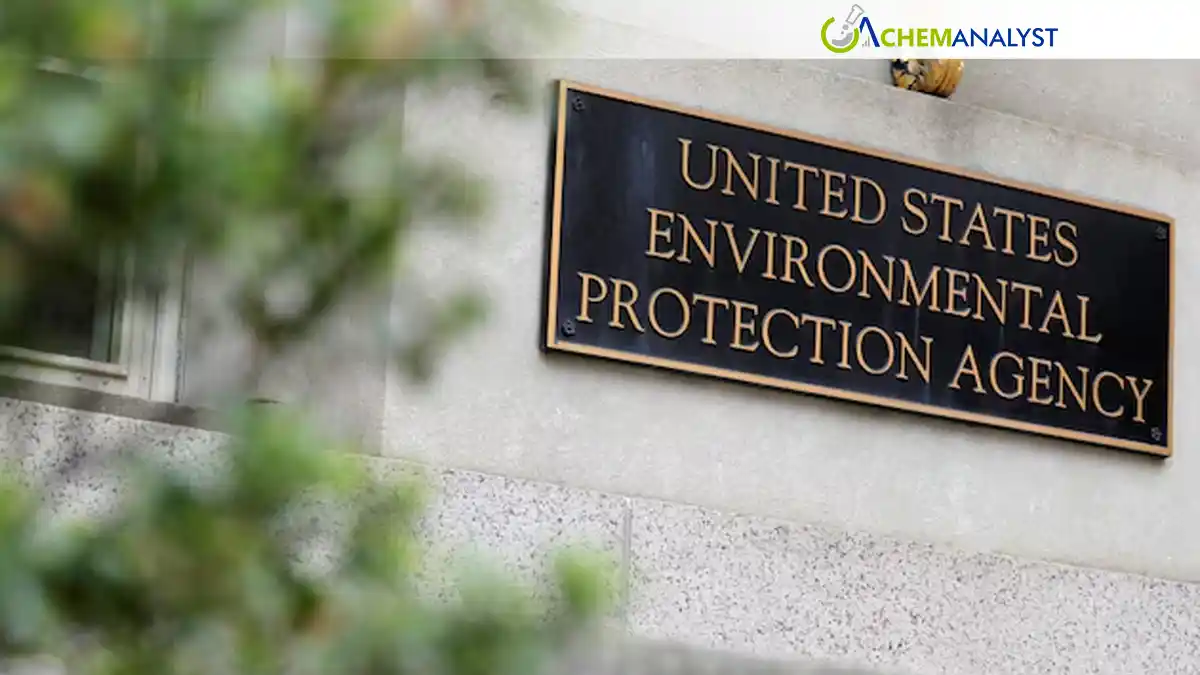
A U.S. appeals court has upheld the Environmental Protection Agency’s (EPA) 2024 decision to classify two widely used PFAS chemicals as hazardous substances under the nation’s Superfund law, reinforcing the potential financial liability of companies involved in producing, handling or transporting the chemicals.
A three-judge panel of the U.S. Court of Appeals for the District of Columbia Circuit ruled that the EPA acted within its legal authority and reasonably designated perfluorooctanoic acid (PFOA) and perfluorooctanesulfonic acid (PFOS) as hazardous substances. The decision rejects a legal challenge filed by seven business groups, including the U.S. Chamber of Commerce and organizations representing the chemical and waste management industries.
The EPA introduced the designation in 2024 during the final year of President Joe Biden’s administration as part of a broader effort to address risks associated with per- and polyfluoroalkyl substances, commonly known as PFAS or “forever chemicals.”
PFAS comprise thousands of chemical compounds used across industrial and consumer applications. These include firefighting foams, nonstick cookware, stain-resistant fabrics and various other products. The chemicals have attracted regulatory scrutiny because of their persistence in the environment and human body and their association with several health concerns, including cancer.
Under the 2024 rule, federal authorities can seek cleanup costs from parties responsible for contamination involving PFOA and PFOS. Previously, the two chemicals were classified as “pollutants or contaminants,” meaning federal cleanup activities could require public funding.
The industry groups argued that the EPA had not adequately assessed the potentially significant financial burden the designation could impose on businesses. They also claimed the rule could encourage the agency to pursue costly cleanup projects while shifting expenses to private companies.
The appeals court rejected these arguments, emphasizing that making polluters responsible for cleanup costs is a central objective of the Comprehensive Environmental Response, Compensation, and Liability Act, commonly known as the Superfund law.
U.S. Circuit Judge Patricia Millett wrote that the designation places responsibility on private parties that introduce hazardous substances into contaminated sites rather than allowing them to transfer future cleanup expenses to taxpayers.
The ruling therefore strengthens the regulatory framework surrounding PFOA and PFOS in the United States and could increase financial and compliance considerations for companies connected to PFAS contamination.
Product impact: The ruling strengthens regulatory pressure on PFOA and PFOS, potentially increasing compliance, monitoring, waste-handling and environmental remediation costs for producers and downstream users. Companies may accelerate PFAS substitution, containment and cleanup programs, which could raise operating expenses and encourage demand for safer alternatives. Over the longer term, tighter liability exposure could reduce the use of PFOA and PFOS in applications where substitutes are available.







 About ChemAnalyst
Leave a Comment
Comments (0)