US HDPE Prices Rise 7.7% Amid Feedstock Tightness and Geopolitical Disruptions

US HDPE Prices Rise 7.7% Amid Feedstock Tightness and Geopolitical Disruptions

Charles Dickens 17-Apr-2026

HDPE markets in the United States extended a robust upturn into early April, driven by tight feedstock flows, geopolitical disruptions and sustained downstream demand. March saw re-pricing after export licensing changes and ethane cargo disruptions, with momentum carrying into mid April as global buyers boosted inquiries. Robust procurement by packaging and infrastructure converters, together with constrained global cracker output, kept sellers confident and tightened spot availability across HDPE grades. Domestic producers maintain pricing power given a domestic supply share near 90%, while spot benchmarks firm and liquidity remains constrained.Upstream factors amplified the cost base, including elevated ethylene values and sustained crude strength, and tighter ethane supply due to export licensing and regional disruptions. The market showed a week-on-week gain of about 7.7% into mid April, reflecting persistent monomer tightness and export demand. Looking forward, prices are expected to stay firm unless logistics ease, crackers restart, or geopolitics shift, suggesting near-term procurement should factor narrow spot availability and elevated risk premia.

HDPE prices in the U.S. extended a strong upward trajectory into early April xxxx as tight feedstock availability, geopolitical disruptions, and sustained downstream demand converged to restrict overall market supply. The escalation of the Israel–Iran war significantly reshaped HDPE market fundamentals by disrupting crude flows through the Strait of Hormuz, tightening global naphtha availability, and sharply increasing freight rates, marine insurance premiums, and energy-linked production costs. These disruptions amplified cost pressures across the HDPE value chain and weakened global supply chain reliability, forcing producers to raise offers and restrict spot availability. Early March marked the beginning of HDPE re-pricing following export licensing restrictions and ethane cargo disruptions, while momentum strengthened through mid-to-late March amid continued global supply chain stress.

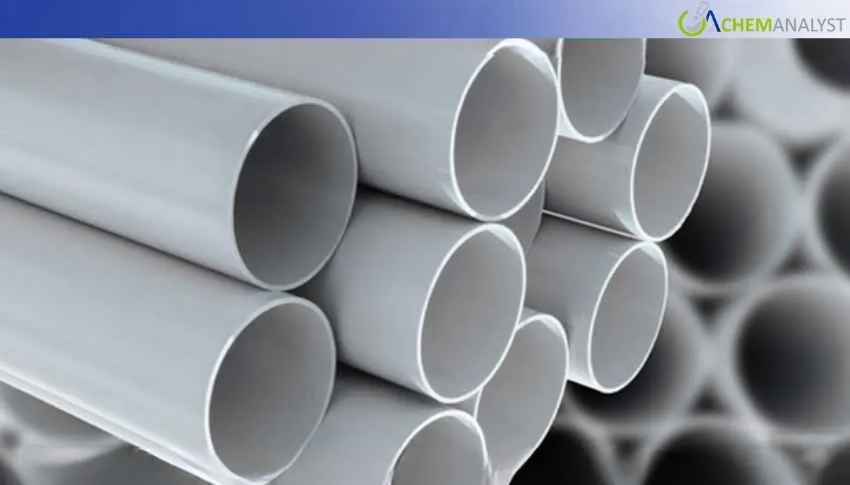
Demand for HDPE remained strong across packaging, construction, and industrial applications, with consumption led by rigid containers, bottles, food packaging films, industrial pails, and piping systems.

We use cookies to deliver the best possible experience on our website. To learn more, visit our Privacy Policy. By continuing to use this site or by closing this box, you consent to our use of cookies. More info.