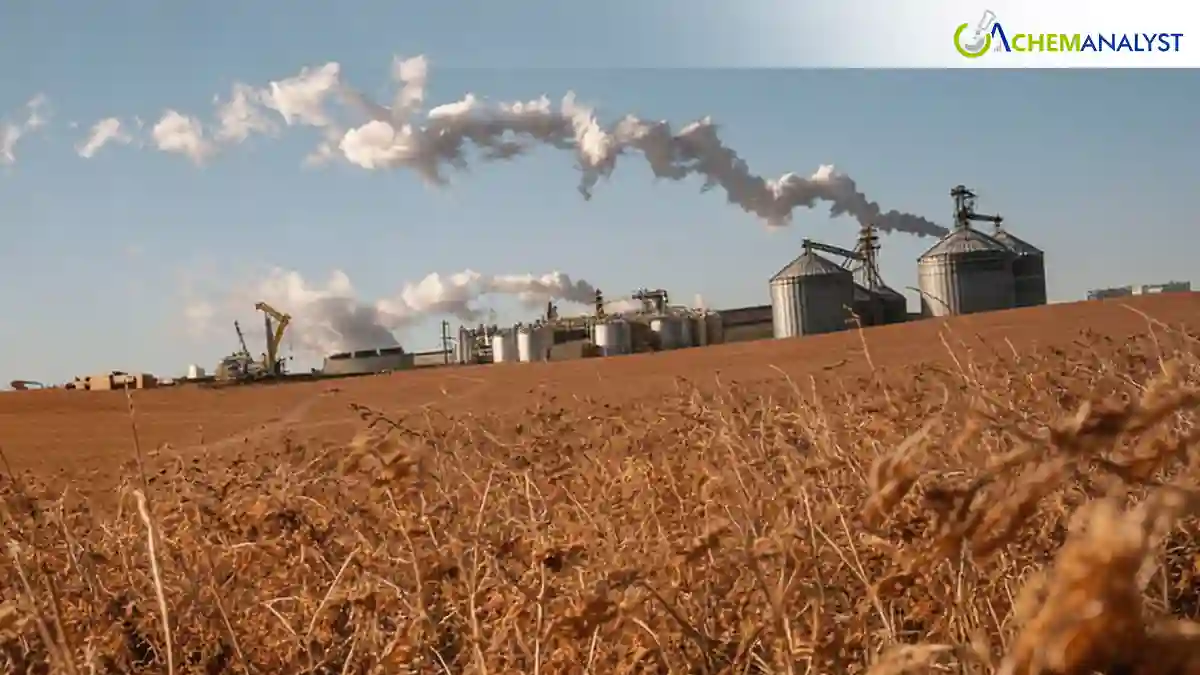
The U.S. House of Representatives has passed legislation to permit the year-round, nationwide sale of E15 gasoline, a blend containing 15% ethanol, marking a significant victory for agricultural interest groups, particularly corn farmers. The measure, which passed with a vote of 218-203, now moves to the Senate, where its future remains uncertain, before requiring presidential approval. This development culminates over a decade of unsuccessful efforts to expand the market for E15 and represents a major boost for the biofuels industry.
The primary impetus behind this legislation stems from the agricultural sector's desire to increase demand for corn, the main ingredient in ethanol, especially in light of growing corn supplies. Proponents, including farm-state lawmakers and biofuels lobbyists, champion the bill as a direct benefit to American agriculture, promising higher farm incomes and a boost for "renewable" fuels under the Renewable Fuel Standard (RFS). The move is also seen as a way to standardize the often unpredictable process by which some oil refiners obtain exemptions from biofuel blending mandates, and to provide regulatory certainty that ethanol advocates believe is crucial for retailers to invest in the necessary infrastructure for higher-blend fuels. Additionally, some policymakers view expanded E15 sales as a means to potentially lower gasoline prices for consumers.
The implications of this House vote are far-reaching across several sectors. For the agriculture industry, the immediate consequence is a projected increase in demand for corn. The National Corn Growers Association estimates that even a one-percentage-point increase in the national blend rate could translate to an additional 486 million bushels of corn demand and 1.36 billion more gallons of ethanol. However, critics argue that the policy amounts to "corporate welfare" rather than genuine farm aid, suggesting that a more effective approach would involve a phased reduction of subsidies.
The fuel industry faces mixed impacts. While some oil majors have supported the framework, many independent refiners remain strongly opposed, particularly those who stand to lose their eligibility for exemptions under the new, stricter criteria. The legislation aims to standardize these exemptions, potentially cutting off larger companies that currently secure relief for smaller units they own, a situation some describe as "Big Oil companies and refineries ganging up on smaller refineries." Compliance costs for the biofuel program have also reached record highs, adding another layer of complexity for refiners.
For consumers, the economic impact is debated. While E15 is often marketed as being 10-30 cents cheaper per gallon than E10 at the pump, opponents contend that ethanol contains roughly 33% less energy than pure gasoline. This lower energy content, they argue, results in reduced fuel efficiency, potentially decreasing miles-per-gallon by 1.5-2% or more, thus negating the per-gallon discount and potentially leading to higher overall fuel costs and accelerated vehicle wear. The bill's journey through Congress highlights a long-standing contention between agricultural interests and segments of the oil and gas industry, with the ultimate outcome still dependent on Senate approval and presidential assent.







Leave a Comment
Comments (0)